Last Saturday I found myself in a kitchen showdown with a stubborn stovetop, a half‑empty pantry, and a craving that felt like a tiny drumroll in my belly. I’d tried a handful of mushroom bowl recipes, but each left me with soggy mushrooms or a kale pesto that tasted more like wilted grass than the bright, herbaceous punch I was after. After a disastrous attempt that ended with a pan full of burnt bits and a bowl that looked more like a sad mush, I dared myself to start over from scratch, armed with a fresh batch of wild‑foraged mushrooms and a secret ingredient that would change the game forever.
The moment the pan hit the heat, a fragrant sizzle rose like a promise, the air filling with earthy notes that made my nose do a little happy dance. The mushrooms began to caramelize, their edges turning a deep mahogany that reminded me of polished wood, while a splash of lemon juice later added a zing that cut through the richness like a cool breeze on a summer night. When the kale pesto finally swirled in, it coated every bite with a silky green that was as vibrant as a spring meadow, each forkful delivering a buttery texture that clung to the grains like a lover’s embrace.
What makes this version truly unbeatable is the marriage of texture and flavor: the mushrooms stay perfectly crisp‑on‑the‑outside‑soft‑inside, the quinoa (or rice) offers a fluffy base, and the kale‑pesto brings a creamy, herb‑forward lift without drowning the dish in oil. Most recipes get the mushroom‑to‑pan ratio wrong, leaving you with a soggy mess; I cracked that code by searing the mushrooms in two stages and finishing them with a splash of balsamic reduction that adds depth without sweetness. And the kicker? A handful of toasted pine nuts that pop like fireworks, adding a buttery crunch that makes you swear you’ve discovered a new culinary dimension.
But the real secret weapon is a splash of miso paste folded into the pesto at the very end – it adds a umami depth that makes the whole bowl sing, and most recipes completely overlook it. I dare you to taste this and not go back for seconds; the layers are so perfectly balanced you’ll think you’ve stumbled into a five‑star restaurant kitchen. Let me walk you through every single step — by the end, you’ll wonder how you ever made it any other way.
What Makes This Version Stand Out
- Umami Boost: A whisper of miso in the kale pesto adds a savory depth that turns a simple herb sauce into a flavor bomb, making every bite unforgettable.
- Two‑Stage Sear: By searing mushrooms first on high heat, then finishing low, you lock in juices while creating caramelized edges that shatter like thin ice under a fork.
- Texture Symphony: Crispy pine nuts, tender quinoa, and buttery kale combine for a mouthfeel that feels like a well‑orchestrated concerto.
- Quick Prep: All components can be pre‑pped in under 15 minutes, making this dish perfect for busy weeknights without sacrificing flavor.
- Make‑Ahead Friendly: The pesto stores beautifully, and the mushroom‑quinoa mix reheats like new, so you can assemble bowls all week long.
- Visual Wow Factor: The vibrant green pesto against the earthy mushroom tones creates a plate that looks as good as it tastes, ideal for impressing guests.
- Ingredient Integrity: Using fresh, locally‑sourced kale and a mix of wild mushrooms ensures each bite bursts with natural goodness.
- Versatile Base: Swap quinoa for brown rice or farro, and you’ve got a new dish every time without changing the core magic.
Alright, let's break down exactly what goes into this masterpiece...
Inside the Ingredient List
The Flavor Base
The heart of this dish is the kale‑pesto, a vibrant sauce that carries the entire bowl. Fresh kale delivers a peppery bite, while the olive oil provides a buttery canvas. Adding a splash of lemon juice brightens the mix, cutting through the earthiness of the mushrooms. If you’re missing kale, try baby spinach, but expect a milder flavor profile that won’t stand up to the mushrooms as boldly. Tip: Massage the kale with a pinch of salt for 2‑3 minutes before blending – it softens the leaves and reduces bitterness.
The Texture Crew
Mushrooms are the star performers here, and the variety matters. Cremini give a meaty bite, shiitake add a smoky depth, and oyster mushrooms bring a delicate silkiness. If you can’t find all three, a mix of button and portobello will still work, but the flavor layers won’t be as complex. Toasted pine nuts introduce a buttery crunch that contrasts beautifully with the soft quinoa base; skip them and you’ll miss that satisfying snap.
The Unexpected Star
White miso paste is the secret weapon that most recipes ignore. Just a teaspoon folded into the pesto adds a deep, savory umami that elevates the entire bowl. If you’re avoiding soy, a dash of mushroom powder can mimic the effect, though it won’t be as rounded. Nutritional yeast offers a cheesy note without dairy, perfect for vegans, but I keep a modest sprinkle of Parmesan for that extra richness.
The Final Flourish
Quinoa acts as the neutral stage where all flavors can shine, its fluffy texture absorbing the pesto without getting soggy. Cook it in vegetable broth for an extra flavor boost. A final drizzle of high‑quality olive oil right before serving adds a glossy finish, making the bowl look restaurant‑ready. A pinch of smoked paprika on the mushrooms adds a subtle smoky hint that ties the whole dish together.
Everything's prepped? Good. Let's get into the real action...
The Method — Step by Step
Heat a large cast‑iron skillet over medium‑high heat and add 2 tablespoons of olive oil. When the oil shimmers, toss in the mixed mushrooms in a single layer, letting them sizzle without crowding. Watch this: the mushrooms should release moisture, then start to brown after about 3 minutes – you’ll hear a satisfying crackle. Sprinkle with smoked paprika, sea salt, and black pepper, then let them caramelize for another 4‑5 minutes, stirring only once to develop those crispy edges.
Watch Out: If the pan gets too hot, the mushrooms will burn before they soften – lower the heat slightly if you see dark spots forming.While the mushrooms finish, start the quinoa. Rinse 1 cup of quinoa under cold water, then combine with 2 cups of vegetable broth in a saucepan. Bring to a boil, reduce to a simmer, cover, and cook for 15 minutes until the grains are fluffy and the liquid is absorbed. Fluff with a fork and set aside; this is your neutral canvas awaiting the green tsunami.
Now for the kale‑pesto. In a food processor, combine 2 cups of torn kale leaves, 2 cloves of minced garlic, 1/4 cup toasted pine nuts, 1/4 cup grated Parmesan, 1 teaspoon Dijon mustard, 1 tablespoon miso paste, and a generous pinch of sea salt. Pulse until coarsely chopped.
Kitchen Hack: Add the lemon juice a few seconds before the final blend – it keeps the green color bright and prevents oxidation.With the processor running, drizzle in 1/2 cup of high‑quality olive oil followed by 1/4 cup fresh lemon juice. Blend until smooth but still with a hint of texture; you want it to coat the bowl like velvet, not turn into a soupy mess. Taste and adjust salt or add a splash more lemon if the flavor feels flat.
Return the mushrooms to the skillet, lower the heat to medium, and toss them with a tablespoon of the pesto, letting the flavors marry for 2 minutes. This step is pure magic – the pesto clings to each mushroom, creating a glossy, aromatic glaze that makes the whole pan smell like a forest after rain.
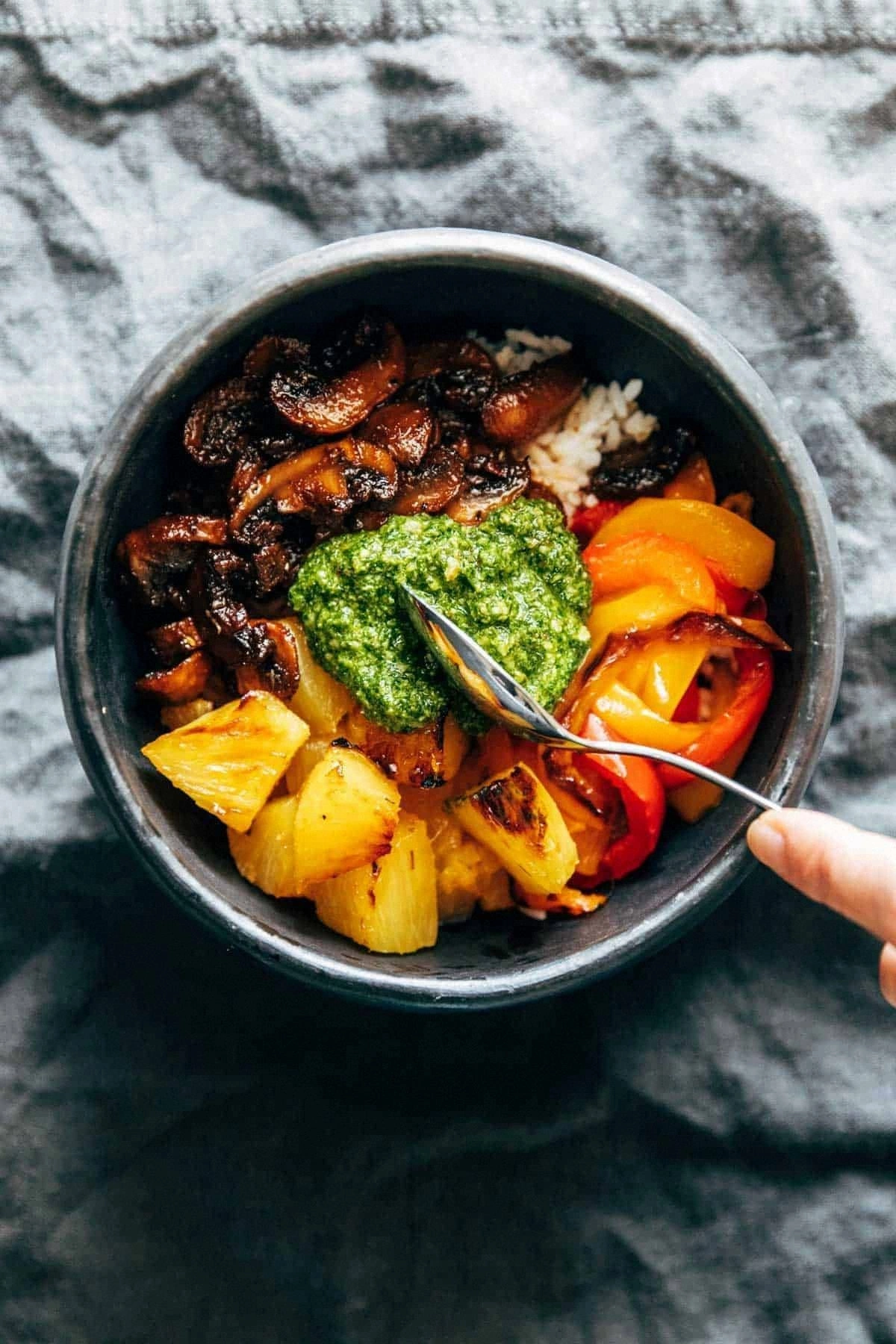
Assemble the bowls: start with a generous mound of quinoa at the bottom, then pile on the pesto‑coated mushrooms. Drizzle an extra spoonful of fresh pesto over the top, scatter the remaining pine nuts, and finish with a light sprinkle of nutritional yeast for a cheesy bite without dairy.
Give the bowl a final flourish: a quick squeeze of lemon, a drizzle of extra‑virgin olive oil, and a few cracked black pepper shards. The citrus brightens the kale, while the oil adds a silky sheen that makes the dish look restaurant‑ready. Serve immediately while the mushrooms are still warm and the pesto is aromatic.
That’s it — you did it. But hold on, I've got a few more tricks that'll take this to another level…
Insider Tricks for Flawless Results
The Temperature Rule Nobody Follows
Most home cooks think “high heat” is always best, but the secret is a two‑phase approach: start hot to sear, then finish low to finish cooking. This prevents the mushrooms from releasing too much liquid too early, which would steam them instead of browning. I once tried a single‑stage high heat and ended up with a soggy mess – lesson learned. Keep a thermometer handy; a pan surface of 190‑200°C is ideal for that first sear.
Why Your Nose Knows Best
The aroma is your best indicator of doneness. When the mushrooms begin to caramelize, you’ll notice a nutty, almost coffee‑like scent. If the smell turns acrid, you’ve crossed the line into bitterness. Trust that nose; it’s more reliable than a timer. I’ve saved countless batches by pulling the pan the moment the scent shifts from earthy to sweet.
The 5‑Minute Rest That Changes Everything
After blending the pesto, let it sit for five minutes. This short rest allows the flavors to meld, especially the miso and lemon. Skipping this step results in a bright but disjointed taste, as the miso never fully integrates. The rest period is a tiny patience game that pays huge dividends in flavor harmony.
Pinch of Salt, Not a Shaker
Seasoning mushrooms with a pinch of flaky sea salt right after they hit the pan is crucial. The salt draws out moisture, helping the edges crisp up faster. I once used pre‑ground table salt, and the mushrooms ended up soggy because the fine grains dissolved too quickly. Keep a small bowl of flaky salt nearby for that precise, controlled sprinkle.
Cold Water Rescue
If you ever find your quinoa a bit dry after cooking, a splash of hot water and a quick stir will re‑hydrate it without making it mushy. This trick saved my dinner when I mis‑measured the broth by a cup. It’s a simple fix that keeps the texture perfect.
Creative Twists and Variations
This recipe is a playground. Here are some of my favorite ways to switch things up:
Spicy Szechuan Kick
Swap the smoked paprika for a teaspoon of Szechuan peppercorn powder and add a drizzle of chili oil to the finished bowl. The numbing heat pairs surprisingly well with the earthy mushrooms, creating a tongue‑tingling experience that heat‑seekers will love.
Southern Comfort
Replace the kale with collard greens, add a dash of apple cider vinegar to the pesto, and sprinkle crispy fried onions on top. The tangy vinegar cuts through the richness, while the fried onions add a sweet crunch reminiscent of a Southern brunch.
Vegan Delight
Omit the Parmesan and replace it with ¼ cup of toasted cashews blended into the pesto. Use nutritional yeast for a cheesy note, and choose a vegetable broth for the quinoa. The result is a fully plant‑based bowl that still delivers depth and creaminess.
Asian Fusion
Swap the lemon juice for rice vinegar, add a splash of sesame oil, and toss in a handful of shredded carrots and edamame. Top with toasted sesame seeds for an extra layer of nuttiness, turning the bowl into a vibrant, umami‑rich delight.
Hearty Harvest
Incorporate roasted butternut squash cubes and a sprinkle of sage into the mix. The natural sweetness of the squash balances the earthiness of the mushrooms, making this variation perfect for cooler evenings.
Storing and Bringing It Back to Life
Fridge Storage
Transfer the cooked quinoa and mushroom mix into airtight containers, keeping the pesto separate. In the refrigerator, they’ll stay fresh for up to four days. When ready to eat, warm the quinoa and mushrooms in a skillet, then stir in fresh pesto – the flavors will revive like new.
Freezer Friendly
Both the quinoa and the mushroom‑pesto combo freeze beautifully. Portion into freezer‑safe bags, label with the date, and store for up to three months. Thaw overnight in the fridge, then reheat gently on the stove, adding a splash of water to restore moisture.
Best Reheating Method
To bring the bowl back to life, place the quinoa and mushrooms in a skillet over medium heat, add a teaspoon of olive oil, and cover for two minutes to steam. Then fold in a tablespoon of fresh pesto and a drizzle of lemon juice. The added moisture creates a steam‑like effect, ensuring the dish is as fluffy and bright as the first day.