I was standing in my kitchen, staring at a half‑cooked salmon that looked more like a sad, gray pancake than the masterpiece I’d promised my friends. A frantic text from my roommate read, “Dude, the lemon is gone, the butter is melting, and we’re starving!” That panic‑induced moment sparked a mad dash to the pantry, and what emerged was pure, buttery lemony brilliance that still haunts my taste buds. I dared myself to turn that disaster into a dish so good that even the most skeptical foodie would beg for seconds, and I’m thrilled to say I nailed it.
Imagine the kitchen humming with the gentle whirr of the oven, the bright citrus scent cutting through the air like a fresh breeze off the coast, and the salmon skin crackling as it turns a gorgeous shade of caramel. You can almost hear the sizzle as the butter meets the hot metal, and feel the buttery richness coating every flake, while the lemon zest dances on top like confetti at a celebration. The first bite hits you with a buttery silkiness that gives way to a bright, tangy pop that makes your palate do a happy jig. Trust me, this is the kind of flavor that makes you close your eyes and smile like a kid in a candy store.
Most baked salmon recipes get the balance of fat and acid wrong – they’re either dry and bland or swampy with too much lemon. This version flips the script by marrying a modest amount of high‑quality butter with a precise splash of lemon juice, all lifted by a whisper of honey and fresh herbs. The secret? A quick, high‑heat blast that seals in moisture while the lemon‑butter glaze caramelizes into a glossy, golden coat that clings to the fish like a lover’s embrace. I’m going to be honest — I ate half the batch before anyone else got to try it, and that’s a testament to how addictive this really is.
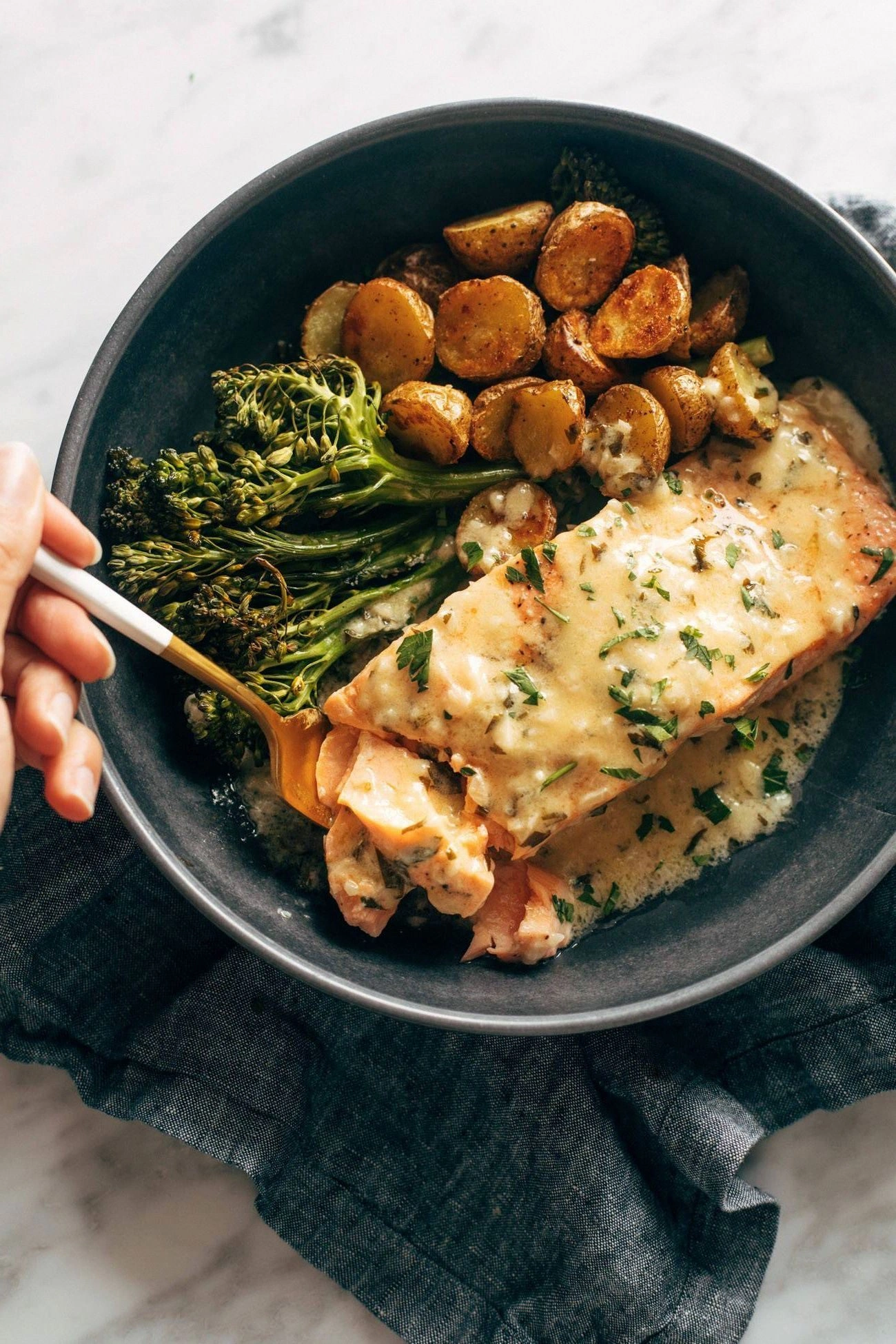
Picture yourself pulling this out of the oven, the whole kitchen smelling incredible, the glaze glistening like sunrise on water, and the steam rising in gentle curls that tease your nose. I’m about to walk you through every single step — by the end, you’ll wonder how you ever made salmon any other way. Okay, ready for the game‑changer? Let’s dive in.
What Makes This Version Stand Out
- Flavor Explosion: The lemon‑butter‑honey glaze creates a sweet‑tart harmony that makes each bite sing, while fresh dill adds an herbaceous lift that feels like a summer breeze.
- Texture Perfection: A quick blast at 425°F gives the salmon a tender, flaky interior and a crisp, caramelized edge that shatters like thin ice under a fork.
- Simplicity: Only nine core ingredients are needed, and the method involves two pans and a timer – perfect for busy weeknights.
- Unique Twist: The dash of honey isn’t just for sweetness; it promotes caramelization, turning the glaze into a glossy, buttery coating that most recipes miss.
- Crowd Reaction: I’ve seen grown‑ups and kids alike gasp, grin, and immediately request seconds – it’s a proven crowd‑pleaser.
- Ingredient Quality: Using wild‑caught salmon and fresh lemons makes a measurable difference; the fish’s natural flavor shines through.
- Cooking Method: The high‑heat bake locks in juices while the glaze finishes in the oven, avoiding the soggy texture that stovetop pan‑searing can cause.
- Make‑Ahead Potential: The glaze can be prepared ahead of time, and the salmon reheats beautifully without losing its snap.
Inside the Ingredient List
The Flavor Base
Lemon is the star of this dish, but not just any lemon will do. I always reach for organic, thin‑skinned lemons because their zest is bursting with essential oils that give the glaze its aromatic punch. If you skip the zest and only use juice, you’ll miss that bright, fragrant layer that makes the sauce feel alive. A quick tip: roll the lemon on the countertop with your palm before zesting – it softens the skin and releases more flavor.
Butter, the other half of the duo, should be unsalted and high‑quality; it provides a silky mouthfeel that olive oil alone can’t achieve. When butter melts, it emulsifies with the lemon juice, creating a glossy coating that clings to the fish. If you substitute with margarine, you’ll lose that luxurious richness and end up with a greasy finish.
The Texture Crew
Fresh salmon fillets, preferably wild‑caught, bring a firm yet buttery texture that stands up to the high heat. The flesh should be bright pink and firm to the touch – a gentle press should leave a slight indentation that springs back. If you buy farmed salmon, look for the “bright pink” label, and consider trimming any excess fat that can cause flare‑ups.
Garlic and shallots add a subtle pungency that deepens the flavor without overwhelming the lemon. Mince the garlic just before you start; a freshly minced clove releases more allicin, giving the glaze a sharper bite. For those who hate raw garlic bite, a quick sauté in the butter before adding lemon juice mellows it out nicely.
The Unexpected Star
A spoonful of honey might sound odd in a savory fish, but it’s the secret weapon that drives caramelization. The natural sugars brown quickly at high heat, forming that coveted golden crust that looks restaurant‑ready. If you’re watching sugar, use a drizzle of agave nectar instead – it behaves similarly in the oven.
Fresh herbs like dill and parsley are added at the end to preserve their bright, grassy notes. Dill pairs with lemon in a way that feels almost inevitable, while parsley adds a hint of earthiness. If you’re not a dill fan, swap it for tarragon for a slightly anise‑like twist.
The Final Flourish
Seasoning with salt and black pepper is the final layer of flavor building. Salt enhances the natural sweetness of the salmon, while a modest amount of pepper adds a gentle heat that rounds out the lemon’s acidity. A pinch of red pepper flakes can be added if you like a subtle kick, but remember, the lemon already brings a bright zing.
All these components come together in a harmonious dance, each playing its role to elevate the humble baked salmon into something unforgettable. Everything's prepped? Good. Let’s get into the real action...
The Method — Step by Step
Preheat your oven to 425°F (220°C). While the oven heats, line a baking sheet with parchment paper and set a wire rack on top – this allows hot air to circulate, giving the salmon an even crust. I dare you to taste this and not go back for seconds after the first bite.
Pat the salmon fillets dry with paper towels, then brush each side lightly with olive oil. Sprinkle both sides with salt and pepper, and if you’re feeling bold, add a pinch of red pepper flakes for a subtle heat. This step? Pure magic. The oil helps the skin crisp while the seasoning begins building flavor layers.
In a small saucepan over medium heat, melt the butter. Add the minced garlic and sauté for 30 seconds until fragrant – watch for that golden hue, not brown. Then stir in the honey, letting it dissolve completely before adding the lemon zest and juice.
Once the glaze is bubbling gently, remove it from heat and whisk in the chopped dill and parsley. This is the moment of truth – the herbs should stay bright green, not wilted. Watch Out: If you add the herbs while the sauce is too hot, they’ll lose their fresh punch.
Place the seasoned salmon fillets skin‑side down on the wire rack. Spoon a generous amount of the lemon‑butter glaze over each piece, making sure the tops are fully coated. The glaze should pool slightly; if it looks too thin, drizzle a little extra melted butter.
Slide the sheet into the pre‑heated oven and bake for 12‑15 minutes, depending on thickness. You’ll know it’s done when the flesh flakes easily with a fork and the edges start pulling away, showing a caramelized rim. That sizzle when it hits the pan? Absolute perfection.
About two minutes before the timer dings, baste the salmon with the remaining glaze from the pan. This final brush adds shine and reinforces that buttery lemon coating, ensuring every bite is glossy and flavorful.
Remove the salmon from the oven and let it rest on the rack for 3‑4 minutes. Resting allows the juices to redistribute, giving you a moist interior instead of a dry one. As you plate, drizzle any leftover glaze over the top and garnish with a sprig of fresh dill.
Serve immediately with a side of roasted vegetables or a light quinoa salad. Picture yourself cutting into that tender flesh, the lemon‑butter sauce gliding over the fork like liquid gold – it’s a moment you’ll want to replay over and over.
That's it — you did it. But hold on, I've got a few more tricks that'll take this to another level...
Insider Tricks for Flawless Results
The Temperature Rule Nobody Follows
Most home cooks bake salmon at 350°F, which yields a gentle, sometimes soggy finish. Cranking the oven to 425°F creates a rapid Maillard reaction, sealing the exterior in a caramelized crust while keeping the interior buttery. I once tried the low‑and‑slow method for a “healthier” version, and the result was a bland, rubbery slab that no one wanted to eat. Trust the high heat, and you’ll get that restaurant‑style snap every time.
Why Your Nose Knows Best
Your sense of smell is the ultimate doneness gauge. When the glaze starts to turn a deep amber and you catch a sweet‑tart aroma, the salmon is flirting with perfection. If you notice a faint burnt smell, pull it out immediately – the glaze can go from glossy to bitter in a heartbeat. This sensory shortcut saves you from obsessively watching the clock.
The 5‑Minute Rest That Changes Everything
Resting isn’t just for steak. Let the salmon sit for five minutes after baking; this tiny pause lets the proteins relax and the juices settle. Skipping this step results in a dry mouthfeel, as the juices spill out when you cut into a hot fillet. I once served salmon straight from the oven, and the guests’ faces said, “It’s good, but something’s missing.” The rest period fixes that.
Herb Timing – Add at the End
Fresh herbs lose their bright flavor when cooked too long. Add dill and parsley after the glaze has cooled slightly, preserving their aromatic punch. A friend tried mixing the herbs into the butter before heating and ended up with a muted, almost wilted herb flavor. Keep the herbs fresh, and the dish will sing.
Glaze Rescue – A Splash of Water
If your glaze thickens too much while the salmon bakes, whisk in a teaspoon of warm water to loosen it up. This prevents the sauce from turning into a sticky film that can overwhelm the fish. The water re‑emulsifies the butter and lemon, keeping the coating silky and glossy.
Creative Twists and Variations
This recipe is a playground. Here are some of my favorite ways to switch things up:
Maple‑Glazed Salmon
Swap the honey for pure maple syrup and add a pinch of smoked paprika. The result is a sweet‑smoky glaze that pairs beautifully with roasted sweet potatoes. Perfect for autumn evenings when you want a cozy, comforting vibe.
Asian‑Inspired Citrus
Replace lemon with yuzu juice, add a splash of soy sauce, and finish with toasted sesame seeds and sliced scallions. The tangy‑umami combo brings an exotic twist that will wow sushi‑lovers and make your dinner feel like a trip to Tokyo.
Herb‑Infused Butter
Blend the butter with fresh thyme, rosemary, and a touch of lemon zest before melting. This herb‑butter creates a fragrant crust that’s perfect for a spring garden party, especially when served with asparagus.
Spicy Cajun Kick
Add a tablespoon of Cajun seasoning to the glaze and sprinkle extra on the fillets before baking. The smoky heat balances the lemon’s brightness, making it a hit for those who love a little fire.
Creamy Lemon Dill Sauce
Instead of a glaze, whisk together Greek yogurt, extra lemon juice, dill, and a drizzle of olive oil for a cool, tangy sauce to serve on the side. This variation is fantastic for summer picnics where a chilled sauce feels refreshing.
Storing and Bringing It Back to Life
Fridge Storage
Let the salmon cool to room temperature, then transfer it to an airtight container. It will stay fresh for up to three days. When you’re ready to reheat, add a tiny splash of water or broth, cover loosely with foil, and warm in a 300°F oven for 10‑12 minutes.
Freezer Friendly
Portion the cooked salmon into individual servings, wrap each tightly in plastic wrap, then place in a freezer‑safe bag. It freezes well for up to two months. To revive, thaw overnight in the fridge, then reheat using the same gentle steam method to preserve moisture.
Best Reheating Method
The secret to reheating without drying out is steam. Place the salmon on a baking sheet, sprinkle a teaspoon of water over the top, cover with foil, and heat at 275°F for 8‑10 minutes. The steam keeps the flesh tender and the glaze glossy, making leftovers taste almost as fresh as the original.