
Cheesecake
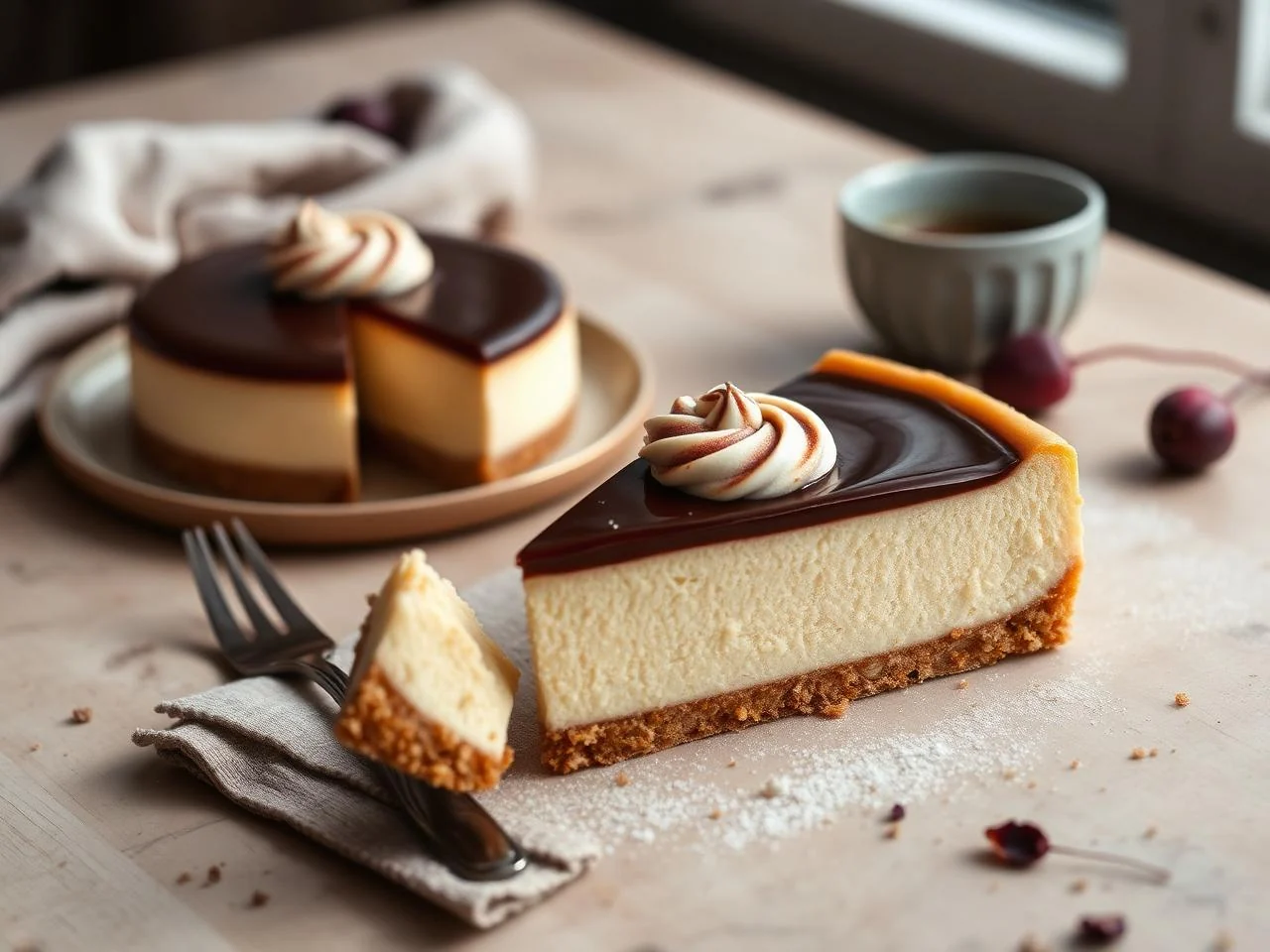
I still remember the first time I made a cheesecake from scratch. The combination of the creamy texture and the caramelized sugar on top was love at first bite. Since then, I've been on a mission to perfect my cheesecake recipe, and I'm excited to share it with you.
What makes this recipe special is the attention to detail and the use of high-quality ingredients. From the graham cracker crust to the creamy filling, every component is carefully crafted to create a truly exceptional dessert.
This cheesecake is perfect for any occasion, whether it's a birthday, a holiday, or just a Tuesday. It's a crowd-pleaser, and I'm confident that your friends and family will love it just as much as mine do.
One of the best things about this recipe is that it's relatively easy to make. The most important thing is to have patience and to not rush the process. With a little bit of time and effort, you'll be rewarded with a cheesecake that's sure to impress.
So, if you're ready to take your dessert game to the next level, keep reading. I'll walk you through every step of the process, from preparing the crust to serving the finished cheesecake.
Why You’ll Love This Recipe
- This cheesecake recipe is easy to make and requires minimal special equipment.
- The cheesecake is creamy and smooth, with a perfect balance of flavors.
- The graham cracker crust is crunchy and flavorful, providing a nice texture contrast to the creamy filling.
- The cheesecake is perfect for any occasion, whether it's a birthday, a holiday, or just a Tuesday.
- The recipe is highly customizable, so you can add your own favorite flavors and toppings.
- The cheesecake is a crowd-pleaser, and your friends and family will love it just as much as mine do.
Why This Recipe Works
The key to a great cheesecake is in the balance of ingredients and the technique used to prepare it. The cream cheese and eggs provide a rich and creamy texture, while the sugar adds a touch of sweetness. The graham cracker crust provides a nice crunch and a bit of flavor to balance out the sweetness of the filling.
Another important factor is the temperature and cooking time. Cheesecakes are best cooked at a low temperature to prevent cracking and to ensure that the filling is set. The water bath helps to maintain a consistent temperature and prevents the cheesecake from cooking too quickly.
Finally, the resting time is crucial. Allowing the cheesecake to cool and set properly ensures that it will be creamy and smooth, rather than dense and dry. By following these steps and using the right ingredients, you'll be able to create a truly exceptional cheesecake.
The science behind cheesecake is all about emulsification and texture. The cream cheese and eggs are emulsified to create a smooth and creamy mixture, while the sugar and graham cracker crust provide a nice texture contrast. By understanding how these ingredients work together, you can create a cheesecake that's both delicious and visually appealing.
Ingredients You’ll Need
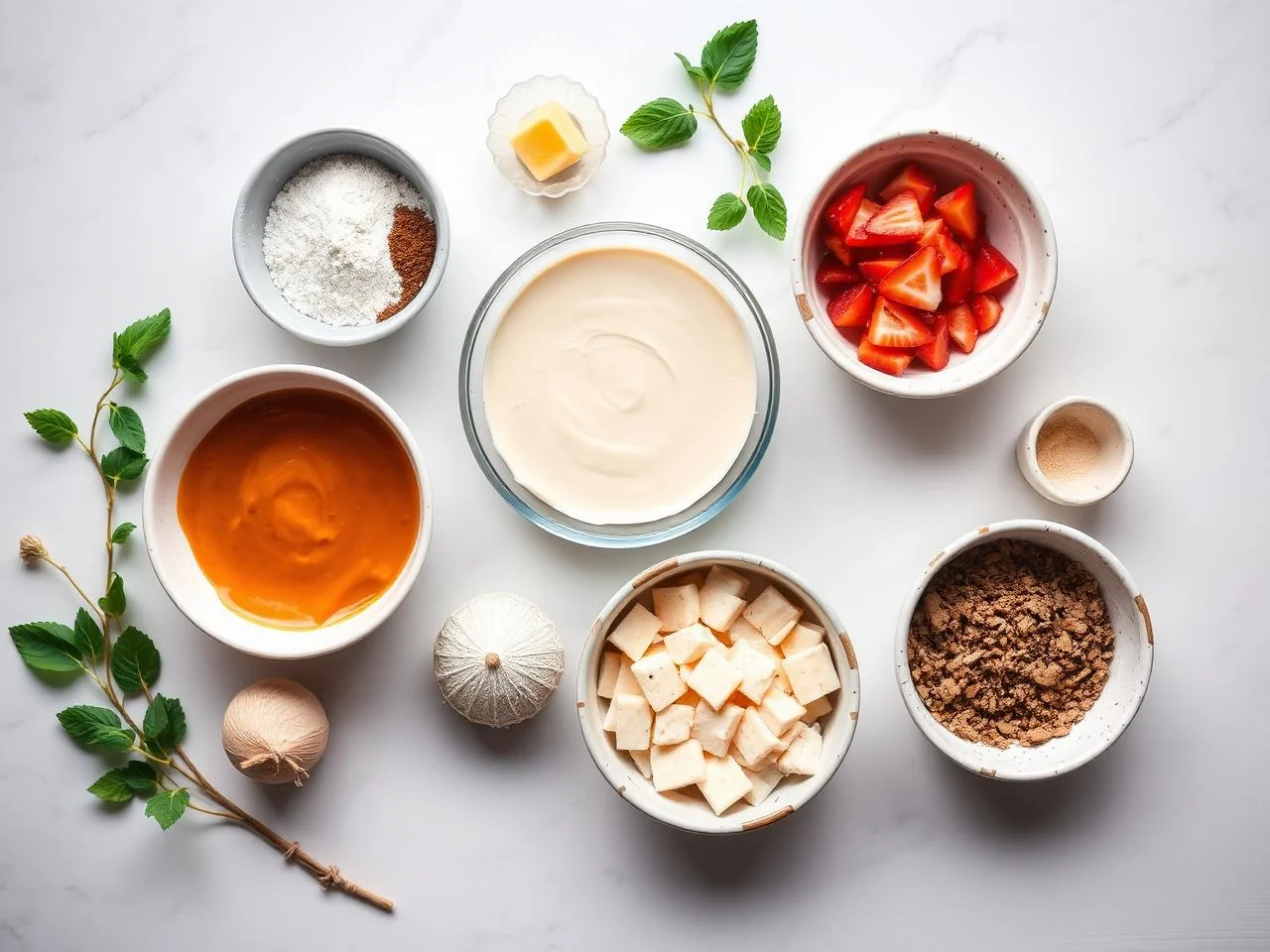
To make this cheesecake, you'll need a few basic ingredients, including graham crackers, cream cheese, eggs, and sugar. You'll also need some vanilla extract and a bit of salt to bring out the flavors. Make sure to use high-quality ingredients, as they will make a big difference in the final product.
When shopping for ingredients, look for graham crackers that are fresh and have a good texture. You'll also want to choose a high-quality cream cheese that is smooth and creamy. Fresh eggs are also essential, as they will provide the best flavor and texture.
- 1 1/2 cups graham cracker crumbsGraham cracker crumbs provide a nice crunch and flavor to the crust. You can either buy them pre-made or make your own by blending graham crackers in a food processor.
- 1/4 cup granulated sugarThe sugar adds a touch of sweetness to the crust and helps to balance out the flavors.
- 6 tablespoons unsalted butter, meltedThe melted butter helps to bind the crust together and provides a rich flavor.
- 16 ounces cream cheese, softenedThe cream cheese provides a rich and creamy texture to the filling. Make sure to use a high-quality cream cheese that is smooth and creamy.
- 1/2 cup granulated sugarThe sugar adds a touch of sweetness to the filling and helps to balance out the flavors.
- 4 large eggs, separatedThe eggs provide a rich and creamy texture to the filling. Make sure to use fresh eggs for the best flavor and texture.
- 1 teaspoon vanilla extractThe vanilla extract adds a nice flavor and aroma to the filling. Make sure to use a high-quality vanilla extract for the best flavor.
- 1/4 teaspoon fine saltThe salt helps to bring out the flavors and provides a nice balance to the sweetness.
- 1 cup sour creamThe sour cream adds a nice tanginess and helps to balance out the flavors.
- 1/2 cup chopped fresh fruit, such as strawberries or blueberriesThe fresh fruit adds a nice flavor and texture to the cheesecake. You can use any type of fruit you like, but make sure it's fresh and of high quality.
Equipment You’ll Need
How to Make Cheesecake
- 1Preheat your oven to 325°F (165°C). Make sure to use a reliable thermometer to ensure the correct temperature.
- 2Prepare the crust by mixing the graham cracker crumbs, sugar, and melted butter in a medium bowl. Stir until the crumbs are evenly moistened.
- 3Press the crust mixture into the bottom of a 9-inch springform pan. Make sure to press it evenly and firmly to prevent it from crumbling.
- 4Bake the crust for 10-12 minutes, or until it's lightly browned and set. Check for doneness by looking for a lightly browned color and a firm texture.
- 5Prepare the filling by beating the cream cheese in a large mixing bowl until it's smooth. Add the granulated sugar and beat until combined.
- 6Beat in the eggs, one at a time, making sure each egg is fully incorporated before adding the next. Beat in the vanilla extract and salt.
- 7Stir in the sour cream and chopped fresh fruit. Make sure to stir gently to prevent deflating the mixture.
- 8Pour the filling over the baked crust and smooth the top. Make sure to get it as smooth as possible to prevent cracking.
- 9Bake the cheesecake for 50-60 minutes, or until the edges are set and the center is just slightly jiggly. Check for doneness by looking for a lightly browned color and a firm texture.
- 10Remove the cheesecake from the oven and let it cool in the pan for 1 hour. Then, run a knife around the edges and release the springform.
- 11Let the cheesecake cool completely on a wire rack. This can take several hours, so be patient and don't rush it.
- 12Once the cheesecake is cool, refrigerate it for at least 4 hours or overnight. This will help it to set and become creamy.
- 13When you're ready to serve, release the cheesecake from the pan and transfer it to a serving plate. Slice and serve, garnished with additional fresh fruit if desired.
Expert Tips
- Make sure to use a reliable thermometer to ensure the correct oven temperature.
- Don't overmix the filling, as this can cause it to become tough and dense.
- Use a water bath to prevent the cheesecake from cracking and to ensure a smooth texture.
- Don't open the oven door during the baking time, as this can cause the cheesecake to sink or crack.
- Let the cheesecake cool completely before refrigerating it, as this will help it to set and become creamy.
- Don't skip the resting time, as this is crucial for the cheesecake to set and become creamy.
- Use high-quality ingredients, as they will make a big difference in the final product.
- Don't be afraid to experiment with different flavors and toppings to make the cheesecake your own.
Common Mistakes to Avoid
- Overmixing the filling, which can cause it to become tough and dense.
- Not using a reliable thermometer, which can cause the oven temperature to be incorrect.
- Opening the oven door during the baking time, which can cause the cheesecake to sink or crack.
- Not letting the cheesecake cool completely before refrigerating it, which can cause it to become soggy or dense.
- Skipping the resting time, which can cause the cheesecake to not set and become creamy.
- Using low-quality ingredients, which can affect the flavor and texture of the cheesecake.
Variations and Substitutions
- Add a layer of caramel sauce or chocolate ganache to the top of the cheesecake for a decadent treat.
- Use different types of fruit, such as raspberries or blackberries, to create a unique flavor combination.
- Add a sprinkle of cinnamon or nutmeg to the crust for a warm and spicy flavor.
- Use a different type of cookie or cracker for the crust, such as chocolate sandwich cookies or wafers.
- Create a layered cheesecake by adding a layer of whipped cream or mousse to the top.
- Use a flavored extract, such as almond or coconut, to create a unique flavor combination.
- Add a handful of chopped nuts or chocolate chips to the filling for a fun texture and flavor combination.
What to Serve With Cheesecake
This cheesecake is perfect for serving at any time of day. You can top it with fresh fruit, whipped cream, or chocolate shavings for a decadent treat. You can also serve it with a side of coffee or tea for a nice pick-me-up.
Some other ideas for serving this cheesecake include:
- Sliced and served with a side of caramel sauce or chocolate ganache
- Topped with a layer of whipped cream and fresh fruit
- Served with a side of coffee or tea for a nice pick-me-up
- Used as a base for a dessert bar, with toppings such as chocolate chips, chopped nuts, and caramel sauce
Make-Ahead, Storage, Freezing and Reheating
This cheesecake can be stored in the refrigerator for up to 5 days. Make sure to wrap it tightly in plastic wrap or aluminum foil to prevent it from drying out.
You can also freeze the cheesecake for up to 2 months. Simply wrap it tightly in plastic wrap or aluminum foil and place it in a freezer-safe bag. When you're ready to serve, thaw the cheesecake overnight in the refrigerator and slice and serve.
If you want to make the cheesecake ahead of time, you can prepare the crust and filling up to a day in advance. Simply store them in separate containers in the refrigerator and assemble the cheesecake when you're ready to bake it.
When reheating the cheesecake, make sure to do it gently to prevent it from drying out. You can reheat it in the oven at 250°F (120°C) for about 10-15 minutes, or until it's warmed through.
Some other tips for storing and reheating the cheesecake include:
- Making sure to wrap it tightly to prevent it from drying out
- Storing it in a cool, dry place to prevent it from becoming soggy or dense
- Reheating it gently to prevent it from drying out
- Serving it at room temperature for the best flavor and texture
Frequently Asked Questions
What type of pan should I use to make this cheesecake?
You should use a 9-inch springform pan to make this cheesecake. This type of pan is ideal because it allows you to easily release the cheesecake from the pan after it's cooled and set.
How do I prevent the cheesecake from cracking?
To prevent the cheesecake from cracking, make sure to use a water bath and to not overmix the filling. You should also avoid opening the oven door during the baking time, as this can cause the cheesecake to sink or crack.
Can I make this cheesecake ahead of time?
Yes, you can make this cheesecake ahead of time. You can prepare the crust and filling up to a day in advance and store them in separate containers in the refrigerator. Then, assemble the cheesecake and bake it when you're ready.
How do I store the cheesecake?
You should store the cheesecake in the refrigerator, wrapped tightly in plastic wrap or aluminum foil. You can also freeze it for up to 2 months and thaw it overnight in the refrigerator when you're ready to serve.
Can I use a different type of crust?
Yes, you can use a different type of crust, such as a cookie or cracker crust. Simply crush the cookies or crackers and mix them with melted butter and sugar to create the crust.
How do I know when the cheesecake is done?
You can tell when the cheesecake is done by looking for a lightly browned color and a firm texture. You can also check the internal temperature, which should be around 190°F (88°C).
Can I make this cheesecake in a different size pan?
Yes, you can make this cheesecake in a different size pan, but you'll need to adjust the baking time accordingly. A larger pan will require a longer baking time, while a smaller pan will require a shorter baking time.
Can I use a different type of cheese?
Yes, you can use a different type of cheese, such as ricotta or mascarpone. However, keep in mind that the flavor and texture may be slightly different than traditional cream cheese.
How do I prevent the cheesecake from becoming too dense?
To prevent the cheesecake from becoming too dense, make sure to not overmix the filling and to use a water bath. You should also avoid overbaking the cheesecake, as this can cause it to become dry and dense.
Ingredients
- 1 1/2 cups graham cracker crumbs
- 1/4 cup granulated sugar
- 6 tablespoons unsalted butter, melted
- 16 ounces cream cheese, softened
- 1/2 cup granulated sugar
- 4 large eggs, separated
- 1 teaspoon vanilla extract
- 1/4 teaspoon fine salt
- 1 cup sour cream
- 1/2 cup chopped fresh fruit, such as strawberries or blueberries
Instructions
- Preheat your oven to 325°F (165°C). Make sure to use a reliable thermometer to ensure the correct temperature.
- Prepare the crust by mixing the graham cracker crumbs, sugar, and melted butter in a medium bowl. Stir until the crumbs are evenly moistened.
- Press the crust mixture into the bottom of a 9-inch springform pan. Make sure to press it evenly and firmly to prevent it from crumbling.
- Bake the crust for 10-12 minutes, or until it's lightly browned and set. Check for doneness by looking for a lightly browned color and a firm texture.
- Prepare the filling by beating the cream cheese in a large mixing bowl until it's smooth. Add the granulated sugar and beat until combined.
- Beat in the eggs, one at a time, making sure each egg is fully incorporated before adding the next. Beat in the vanilla extract and salt.
- Stir in the sour cream and chopped fresh fruit. Make sure to stir gently to prevent deflating the mixture.
- Pour the filling over the baked crust and smooth the top. Make sure to get it as smooth as possible to prevent cracking.
- Bake the cheesecake for 50-60 minutes, or until the edges are set and the center is just slightly jiggly. Check for doneness by looking for a lightly browned color and a firm texture.
- Remove the cheesecake from the oven and let it cool in the pan for 1 hour. Then, run a knife around the edges and release the springform.
- Let the cheesecake cool completely on a wire rack. This can take several hours, so be patient and don't rush it.
- Once the cheesecake is cool, refrigerate it for at least 4 hours or overnight. This will help it to set and become creamy.
- When you're ready to serve, release the cheesecake from the pan and transfer it to a serving plate. Slice and serve, garnished with additional fresh fruit if desired.