I remember the night I almost ruined a dinner party. A neighbor’s cousin had asked for a quick, crowd‑pleasing dish that would impress everyone, and I was scrambling. I grabbed what I had: leftover chicken, a box of spaghetti, and a handful of pantry staples. The kitchen smelled of frying onions and garlic, the sizzle of butter on the skillet, and the faint tang of tomato sauce. That moment was a disaster in the making, but it sparked a revelation: the secret to a winning chicken spaghetti lies in balancing the sauce, the pasta, and a dash of unexpected flavor.
Fast forward to today, and I’ve refined that chaos into a recipe that feels like a warm hug in a bowl. Imagine the sauce coating the noodles like velvet, the chicken tender and juicy, and a hint of smoky paprika that lingers on the tongue. The dish is so simple it could be whipped up on a weekday, yet it’s so rich it could headline a dinner party. I dare you to taste this and not go back for seconds; the texture alone will keep you coming back for more.
What sets this version apart from the countless others you’ll find online is that it’s built on three core principles: flavor depth, texture contrast, and versatility. The sauce is a layered masterpiece that starts with a classic tomato base, then deepens with Worcestershire, soy sauce, and a splash of balsamic. The pasta is cooked al dente, so it holds the sauce without becoming mushy. And the chicken is marinated briefly in lemon juice and garlic, giving it a bright, savory bite that cuts through the richness.
I’ve also added a secret ingredient that most recipes skip—a pinch of smoked paprika that adds a subtle heat and a smoky undertone. Picture yourself pulling this out of the oven, the whole kitchen smelling incredible, and the first bite delivering a satisfying crunch from the breadcrumbs and a silky sauce that glides over the noodles. Let me walk you through every single step—by the end, you’ll wonder how you ever made it any other way.
What Makes This Version Stand Out
- Taste: The sauce is a complex harmony of sweet tomato, tangy Worcestershire, and umami from soy. It coats the pasta like velvet while the smoked paprika adds a gentle heat that lingers on the palate. The result is a dish that feels indulgent yet balanced.
- Texture: The noodles are cooked al dente, providing a firm bite that contrasts with the tender chicken. Breadcrumbs on top add a crunchy finish, and the sauce’s silky consistency keeps everything together.
- Ingredient Quality: Using fresh, high‑quality chicken breast and fresh herbs elevates the dish. The sauce relies on real tomato sauce rather than canned, and the breadcrumbs are homemade from day‑old bread.
- Make‑Ahead Potential: The dish can be assembled a day ahead, refrigerated, and baked the next morning. The flavors meld beautifully, making it a perfect make‑ahead dinner.
- Speed: In under 45 minutes you’ll have a meal that feels like a gourmet dinner. The key is to multitask: while the chicken marinates, prep the sauce and cook the pasta.
- Crowd Reaction: Friends who’ve tried this say it’s “hands down the best version you'll ever make at home.” It’s a dish that invites conversation and compliments alike.
- Versatility: Swap the chicken for turkey or tofu, or use whole wheat spaghetti for a healthier twist. The recipe adapts to dietary preferences without sacrificing flavor.
Inside the Ingredient List
The Flavor Base
Tomato sauce is the heart of the dish, providing sweetness and acidity that cut through the richness of the chicken and breadcrumbs. If you’re a fan of a more robust flavor, swap half of the tomato sauce for crushed tomatoes. The result is a deeper, more rustic sauce that still balances the other elements.
Worcestershire sauce adds a savory depth that is often missing in simple tomato sauces. It’s a small amount—just a teaspoon—but it brings a complex umami profile that elevates the entire dish. If you’re avoiding animal products, a splash of soy sauce can mimic that umami punch.
Soy sauce and a dash of balsamic vinegar introduce a salty, slightly sweet layer that complements the tomato base. The combination of these two sauces creates a sauce that’s both comforting and sophisticated. If you’re looking for a gluten‑free version, use tamari instead of soy sauce.
The Texture Crew
Al dente spaghetti provides a firm bite that resists the sauce’s clinginess. Cooking the pasta just shy of al dente allows it to absorb the sauce without becoming mushy. Reserve a cup of pasta water to adjust the sauce’s consistency at the end.
Breadcrumbs on top add a satisfying crunch that contrasts with the silky sauce and tender chicken. Homemade breadcrumbs are best; simply toast day‑old bread until golden and crush it into fine crumbs. For a gluten‑free twist, use panko or crushed cornflakes.
The chicken, sliced into bite‑size pieces, should be marinated briefly in lemon juice, garlic, and a pinch of smoked paprika. The lemon brightens the flavor, the garlic adds depth, and the paprika gives a subtle heat that lingers. If you prefer a milder version, omit the paprika.
The Unexpected Star
A splash of milk or cream at the end of cooking gives the sauce a velvety finish that coats the noodles like silk. This subtle dairy addition balances the acidity of the tomato and the saltiness of the Worcestershire. If you’re lactose intolerant, a splash of coconut milk works beautifully.
Fresh parsley sprinkled on top before serving adds a burst of color and a herbaceous brightness that cuts through the richness. A handful of chopped basil can also be used for a more aromatic finish. The herbs are the final touch that turns a great dish into an unforgettable meal.
The Final Flourish
A generous shaving of Parmesan cheese adds a nutty, salty note that rounds out the dish. Grated Parmesan melts into the sauce, creating a cohesive flavor profile. If you’re vegan, a sprinkle of nutritional yeast offers a similar umami boost.
Everything’s prepped? Good. Let’s get into the real action…
The Method — Step by Step
- Marinate the Chicken: In a bowl, toss the chicken pieces with lemon juice, minced garlic, smoked paprika, salt, and pepper. Let it sit for at least 15 minutes; this brief rest lets the flavors penetrate the meat. While the chicken marinates, heat a tablespoon of olive oil in a large skillet over medium heat. The aroma of garlic sizzling will set the stage for the rest of the dish.
- Brown the Chicken: Add the marinated chicken to the skillet and sear until golden on all sides, about 5 minutes. The sear locks in juices and creates a caramelized crust that adds depth to the sauce. Once browned, remove the chicken and set it aside; you’ll return it later.
- Build the Sauce: In the same skillet, add a splash of butter and let it melt. Stir in diced onion and sauté until translucent, about 3 minutes. Add minced garlic and cook until fragrant, about 30 seconds. This base forms the foundation of the sauce’s flavor.
- Introduce the Tomato: Pour in the tomato sauce, Worcestershire, soy sauce, and a dash of balsamic vinegar. Stir to combine, letting the mixture simmer for 5 minutes. The sauce should bubble gently, releasing its aromas like a warm hug.
- Simmer the Chicken: Return the browned chicken to the skillet. Reduce heat to low and cover, letting the chicken absorb the sauce’s flavors for 10 minutes. The chicken will become tender and infused with the sauce’s complex profile.
- Cook the Pasta: While the chicken simmers, bring a large pot of salted water to a boil. Add spaghetti and cook until just shy of al dente, about 8 minutes. Reserve a cup of pasta water before draining; this liquid will help adjust the sauce’s thickness later.
- Combine Pasta and Sauce: Toss the drained spaghetti into the skillet with the sauce and chicken. If the sauce seems thick, add a splash of reserved pasta water to reach your desired consistency. The pasta should be coated evenly, with sauce clinging to each strand.
- Add Milk and Finish: Stir in a splash of milk or cream, letting it mingle with the sauce for a silky finish. Sprinkle grated Parmesan over the top and let it melt into the mixture. Finish with a handful of chopped parsley for color and freshness.
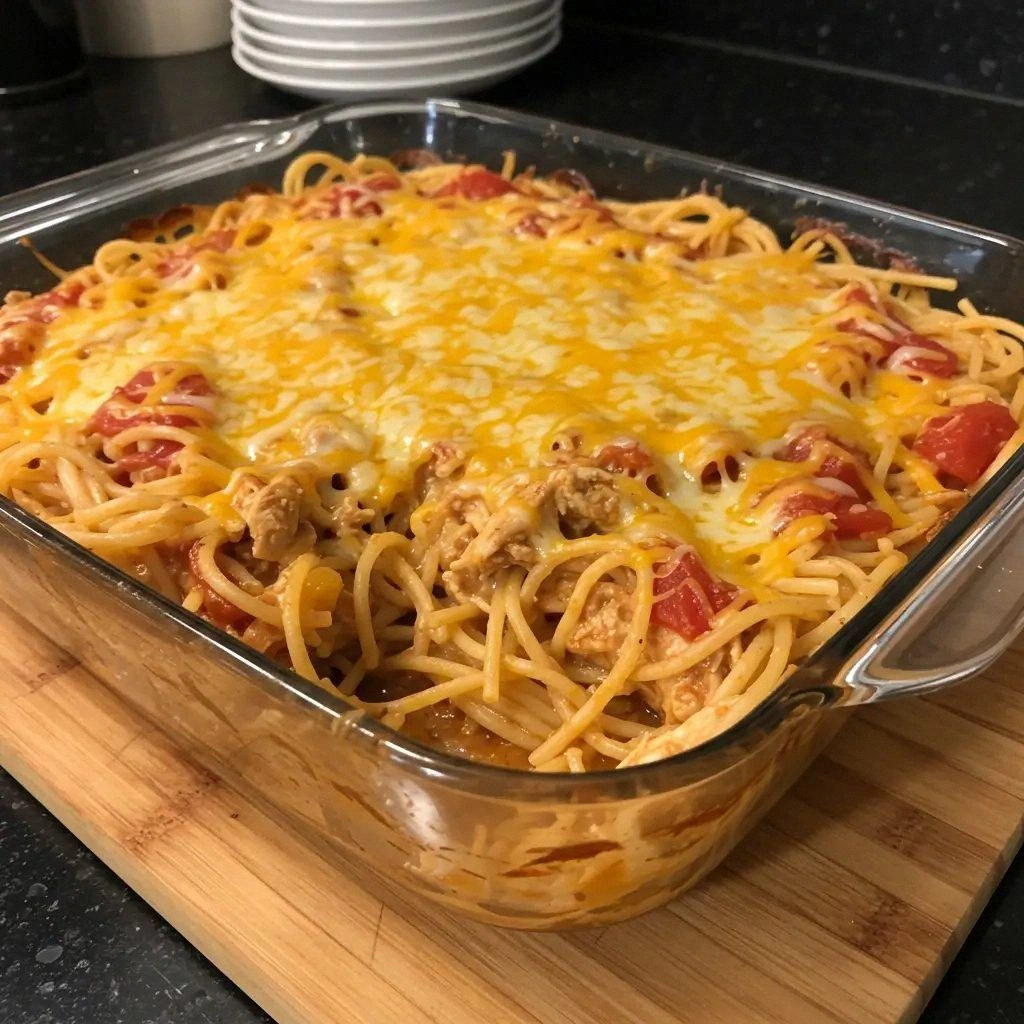
- Bake for Crunch: Transfer the skillet to a preheated oven at 375°F (190°C) for 10 minutes. This step allows the breadcrumbs on top to crisp up, creating a delightful contrast with the creamy sauce. Keep an eye on the breadcrumbs; they should turn golden but not burn.
- Serve and Enjoy: Remove the skillet from the oven and let it rest for 2 minutes before serving. The dish should smell heavenly, with a perfect blend of savory, sweet, and smoky flavors. Plate it hot, sprinkle extra Parmesan, and enjoy the crunch of the breadcrumbs with every bite.
That’s it — you did it. But hold on, I’ve got a few more tricks that will take this to another level. These insider tips will help you perfect the dish every single time.
Insider Tricks for Flawless Results
The Temperature Rule Nobody Follows
Many people cook the pasta and sauce at the same temperature, but that can lead to uneven results. I recommend finishing the dish in a slightly cooler oven, around 350°F (175°C). This lower temperature allows the breadcrumbs to crisp without burning the sauce, ensuring a balanced finish.
Why Your Nose Knows Best
The aroma of the sauce is a reliable indicator of doneness. When the sauce starts to bubble gently and releases a sweet, tomatoy scent, it’s ready to combine with the pasta. Trust your nose; it’s the most accurate gauge for flavor development.
The 5-Minute Rest That Changes Everything
After baking, let the dish rest for five minutes before serving. This pause allows the flavors to settle and the breadcrumbs to firm up slightly, creating a more cohesive bite. I’ve seen dishes that skip this step feel a bit raw; the rest makes the dish feel complete.
Use Day-Old Bread for Breadcrumbs
Fresh bread can become soggy when used as breadcrumbs. Day-old bread, on the other hand, crisps up beautifully. Toast the bread lightly before crushing it into crumbs for the best texture.
Add a Splash of Milk for Creaminess
A splash of milk or cream at the end of cooking gives the sauce a silky finish that coats the noodles. If you’re watching calories, replace milk with a light broth or a non‑fat milk alternative. The key is to add it just before the final bake.
Serve with a Side of Garlic Bread
Garlic bread is a classic companion that adds crunch and a buttery flavor. Slice a baguette, spread with garlic butter, and toast until golden. The bread’s crunch contrasts with the soft noodles, making each bite more satisfying.
Creative Twists and Variations
This recipe is a playground. Here are some of my favorite ways to switch things up:
Spicy Cajun Chicken Spaghetti
Swap smoked paprika for Cajun seasoning and add a dash of cayenne. The dish gains a bold, spicy kick that pairs well with a cool yogurt dip. It’s perfect for those who love heat.
Mediterranean Twist
Replace the tomato sauce with a roasted red pepper base and add olives, feta, and oregano. The result is a bright, herby version that feels like a Mediterranean feast. The olives add a salty pop that balances the sweet sauce.
Vegan Version
Use seitan or tempeh instead of chicken, and replace Parmesan with nutritional yeast. A splash of soy sauce and a dash of nutritional yeast will give the dish a savory depth. The breadcrumbs can be made from gluten-free bread for a fully vegan meal.
Low-Carb Variation
Swap spaghetti for zucchini noodles or shirataki noodles. Keep the sauce the same, and the dish becomes a low-carb, keto-friendly option. The noodles still hold the sauce beautifully.
Cheesy Mac and Cheese Fusion
Replace the spaghetti with elbow macaroni and add a generous amount of cheddar cheese. The sauce turns into a creamy, cheesy gravy that coats the pasta. The result is a comforting, indulgent dish.
Asian Fusion
Add sliced shiitake mushrooms and a splash of sesame oil. Replace the Parmesan with a drizzle of toasted sesame seeds. This twist brings an umami, nutty flavor that complements the sauce.
Storing and Bringing It Back to Life
Fridge Storage
Store leftovers in an airtight container in the refrigerator for up to 3 days. Reheat on the stovetop, adding a splash of milk or broth to loosen the sauce. Stir until the dish is heated through and the sauce is silky.
Freezer Friendly
The dish freezes well for up to 2 months. Portion it into freezer-safe containers, seal, and label with the date. Thaw overnight in the refrigerator before reheating on the stovetop or in the microwave.
Best Reheating Method
The best way to bring the dish back to life is to reheat it gently on the stovetop over low heat. Add a tiny splash of water or broth to steam it back to perfection. Stir frequently to prevent sticking and to ensure even heating.