I was halfway through a week of burnt lasagnas, overcooked risottos, and a kitchen that smelled like burnt sugar when I stumbled upon a recipe that felt like a secret handshake between chocolate and orange. The first time I tasted this posset, it was like a velvet curtain opening to reveal a stage where cocoa and citrus pirouette together, leaving a lingering whisper of citrus on the palate. It wasn't just another dessert; it was a revelation that my taste buds had been missing a partner in crime. The moment the cream hit the pan and the sugar dissolved, a faint toasty aroma rose, promising a silky finish that would melt in your mouth like a summer breeze. And that, my friend, is why I’m about to hand you the playbook for the ultimate Chocolate Orange Posset.
Picture this: a small saucepan, a gentle swirl of heavy cream, and a handful of caster sugar that dissolves in a dance of steam. The kitchen lights dim slightly as the mixture simmers, and the air fills with a sweet, almost buttery scent that makes you want to pause and inhale like a barista before the first espresso shot. The sound is a quiet hiss, a low drumbeat that tells you everything is on schedule and nothing is going to overcook. When the chocolate finally melts into the cream, the mixture thickens, and the chocolate’s dark, almost melancholic hue begins to mingle with the bright citrus zest, creating a visual harmony that looks as good as it tastes. I dare you to taste this and not go back for seconds.
I’ve tried countless chocolate desserts, from fudgy brownies to airy mousse, but none have matched the silky texture of this posset. The key is the double cream, which gives it that luxurious mouthfeel that feels like a cloud you can taste. The orange zest, on the other hand, injects a bright, almost sharp tang that cuts through the richness without overpowering it. Together, they create a balance that’s both indulgent and refreshing, a contrast that makes each bite feel like a new discovery. It’s the kind of dessert that makes you pause, savor, and then look around to see who else is enjoying it.
Most recipes get this completely wrong by adding the orange juice too early or using a low-quality chocolate that tastes like cardboard. The trick here is to wait until the chocolate has fully melted and the cream is just starting to thicken before adding the juice. This ensures the citrus doesn’t curdle the cream or dilute the chocolate’s depth. Another common mistake is to use a regular orange instead of a large one; the larger fruit provides more juice and zest, giving you a more pronounced citrus flavor. By carefully timing each addition, you keep the posset silky and prevent it from becoming watery or lumpy.
I’ll be honest—before I perfected this recipe, I ate half the batch before anyone else got a chance to taste it. That’s because the first bite feels like a revelation; your tongue instantly knows it’s chocolate, but then it’s also brightened by orange, like a sunrise on a dessert plate. The second bite is a different experience entirely—there’s a subtle bitterness from the 70% cocoa chocolate that balances the sweetness, and the orange zest adds a citrusy crunch that feels almost like a surprise. The texture is so smooth that you can almost hear the cream whispering in your ears as it coats your palate. That’s the moment when you realize you’re about to create a dessert that will have people asking for your secret.
Okay, ready for the game‑changer? This posset is hands down the best version you’ll ever make at home, and I’m going to walk you through every single step. By the end of this post, you’ll wonder how you ever made it any other way. Let’s dive into the ingredients that make this dessert sing, the technique that turns it into a silky masterpiece, and the tricks that keep it from collapsing or turning into a mess. Stay with me—this is going to be a sweet ride.
What Makes This Version Stand Out
- Flavor: The combination of 70% dark chocolate and fresh orange zest creates a depth that feels both indulgent and refreshing, unlike the usual sweet‑citrus pairings you find in most recipes.
- Texture: The posset’s silky mouthfeel comes from using double cream and carefully timing the chocolate melt, resulting in a dessert that melts in your mouth rather than clumps.
- Ingredient Quality: Choosing high‑quality chocolate and fresh oranges means the final flavor profile is vibrant and authentic, not muddled or artificial.
- Simplicity: With only five main ingredients and no baking required, this dessert is a quick win for both novice cooks and seasoned chefs.
- Make‑ahead Potential: Once set, the posset can be stored in the fridge for up to 48 hours, making it a perfect make‑ahead option for dinner parties.
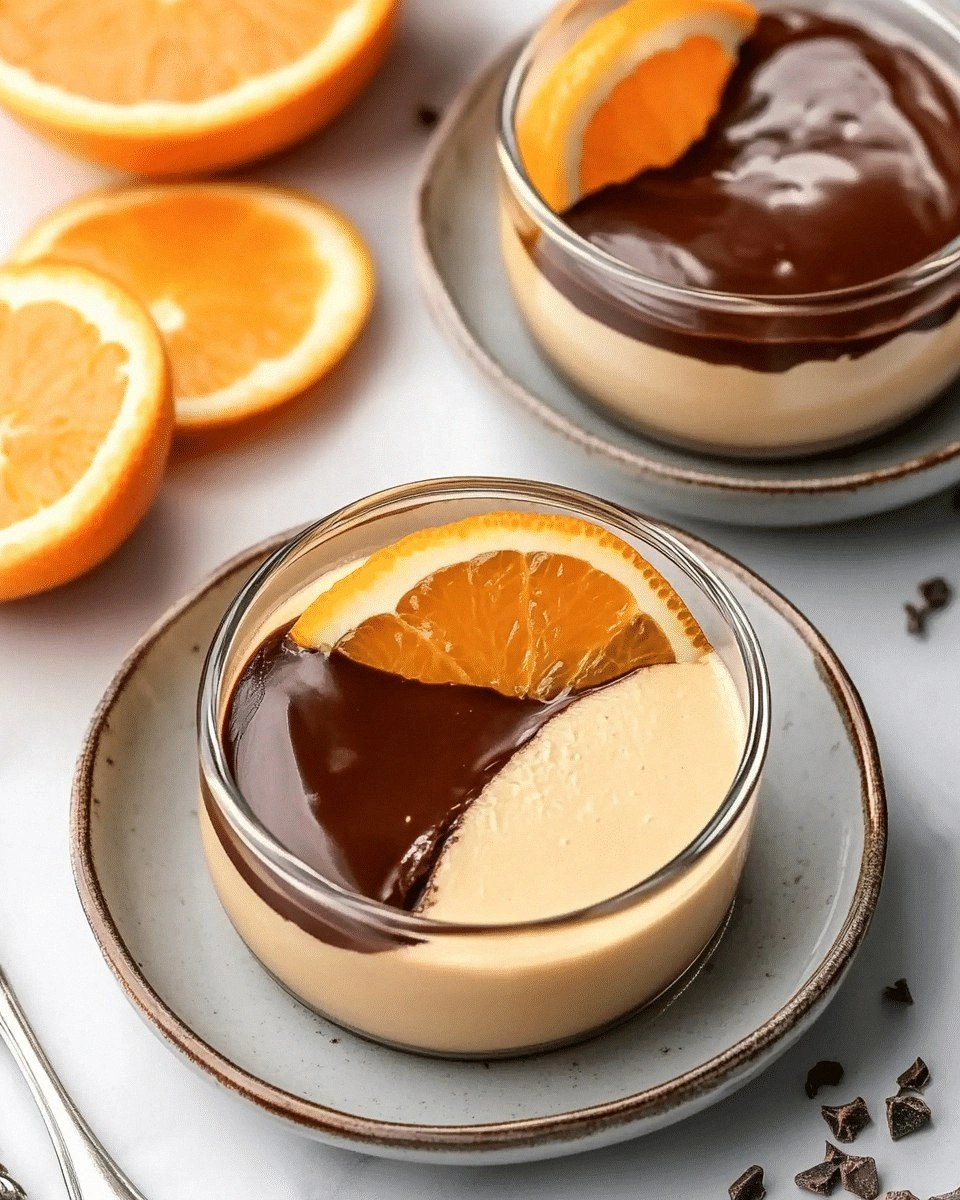
- Presentation: Serving it in clear glasses or ramekins showcases the glossy, glossy surface, turning an ordinary dessert into a showstopper.
Inside the Ingredient List
The Flavor Base
Double cream is the backbone of this posset. Its high fat content gives the dessert its luxurious, velvety texture that coats the tongue like a soft blanket. If you were to substitute it with a lower‑fat milk, the final result would be thin and watery, lacking the rich mouthfeel that makes this posset so satisfying. When selecting cream, look for a brand that lists “cream” as the first ingredient, and avoid any that list added stabilizers or emulsifiers, which can interfere with the smoothness.
The Texture Crew
Caster sugar is the sweetener that dissolves cleanly into the cream, preventing any gritty texture. Its superfine granules are perfect for this recipe because they dissolve quickly, leaving no residue. If you prefer a slightly caramelized flavor, you can lightly toast the sugar in a dry pan before adding it to the cream; just watch it closely to avoid burning. The sugar also helps balance the bitterness of the dark chocolate, creating a harmonious flavor profile.
The Unexpected Star
Orange zest is not just a garnish—it’s a flavor powerhouse that delivers bright, aromatic oils that elevate the chocolate. The essential oils in the zest are volatile, so it’s crucial to zest the orange just before you start cooking to preserve maximum aroma. If you’re allergic or sensitive to citrus, you can reduce the zest to half, but the dessert will lose its signature brightness. The zest also provides a subtle textural contrast, a tiny burst of citrus that pops when you bite.
The Final Flourish
Orange juice brings a fresh, juicy note that cuts through the cream’s richness. Adding the juice too early can cause the cream to curdle, so wait until the chocolate has fully melted and the mixture is just beginning to thicken. The juice also helps thin the posset slightly, making it pourable and easier to serve in glasses. A splash of lemon juice can add a slight tartness if you want to intensify the citrus profile.
Everything's prepped? Good. Let's get into the real action.
The Method — Step by Step
- In a medium saucepan, combine the double cream and caster sugar. Heat over medium-low, stirring constantly until the sugar dissolves completely. The mixture should be smooth and fragrant; if you see any lumps, give it a quick whisk and continue heating. This step sets the foundation for a silky base that will carry the chocolate and citrus.
- Add the zest of one large orange to the saucepan. Stir gently to release the aromatic oils. The zest will infuse the cream with bright citrus notes that will linger on the palate. Be careful not to add the zest too early, or the oils may evaporate before they can fully bloom.
- Place the chopped dark chocolate in a heat‑proof bowl. Slowly pour the warm cream mixture over the chocolate, letting it sit for a minute before stirring. This technique, known as “tamping,” helps prevent the chocolate from seizing. Once the chocolate is fully melted and the mixture is smooth, you’ll have a glossy, chocolate‑laden base.
- Pour in the juice of one large orange. Stir slowly, watching for the mixture to thicken. The citrus will create a subtle separation that, when chilled, gives the posset its characteristic glossy surface. If you prefer a sweeter profile, add a teaspoon of honey at this point; the honey will complement the chocolate without overpowering the citrus.
- Let the mixture cool to room temperature, then transfer it to a heat‑proof container. Cover and refrigerate for at least 4 hours, or until the posset has set into a firm yet creamy consistency. The cooling process allows the flavors to meld and the texture to develop its signature silkiness.
- When the posset is set, pour it into individual glasses or ramekins. If you like a decorative touch, sprinkle a few extra zest curls on top. The bright orange zest adds a pop of color that makes the dessert look as good as it tastes.
- Serve chilled, either straight from the fridge or after a brief 5‑minute rest at room temperature to let the flavors open up. Pair it with a glass of sparkling wine or a light dessert wine for a sophisticated finish. If you’re serving a crowd, keep the posset in the fridge until just before serving to maintain its firm yet creamy texture.
That's it — you did it. But hold on, I've got a few more tricks that'll take this to another level.
Insider Tricks for Flawless Results
The Temperature Rule Nobody Follows
The secret to a smooth posset is never allowing the mixture to exceed 80 °C (176 °F). At temperatures above this, the cream can start to separate, and the chocolate can seize. Keep a reliable kitchen thermometer handy, and aim for a gentle simmer that stays just below 80 °C. If you notice the mixture is too thick, add a splash of warm water to thin it out without compromising the flavor.
Why Your Nose Knows Best
As the chocolate melts, your nose will pick up subtle notes of bitterness and cocoa. Trust those aromas; they signal that the chocolate has fully integrated. If the aroma feels flat or overly sweet, you’ve likely over‑cooked it or used too much sugar. When the orange zest is added, you’ll hear a bright citrus scent that should be sharp but not overpowering.
The 5‑Minute Rest That Changes Everything
After you pour the posset into glasses, let them rest for exactly five minutes before refrigerating. This brief pause allows the surface to form a thin crust, which prevents the mixture from becoming too runny when chilled. If you skip this step, you might end up with a posset that slides off the glass or has a watery top layer.
Avoiding the Classic Mistake
A friend once tried to skip the orange zest and just used juice, thinking the flavor would be enough. The result was a bland, overly sweet dessert that lacked the bright lift that zest provides. The zest releases essential oils that the juice alone cannot, so always zest the orange before you begin. If you’re short on time, you can use a microplane to grate the zest quickly, but the flavor payoff is worth the extra effort.
The Chill‑Then‑Serve Technique
Instead of serving the posset straight from the fridge, let it sit at room temperature for 10 minutes before plating. This small step allows the flavors to open and the texture to soften slightly, making each spoonful a silky experience. If you’re in a hurry, you can use a warm plate to keep the posset from becoming too hard during serving.
Creative Twists and Variations
This recipe is a playground. Here are some of my favorite ways to switch things up:
Minty Madness
Add a handful of fresh mint leaves to the cream before heating. The mint will infuse a cool, refreshing note that pairs wonderfully with the chocolate’s richness. After the posset has set, garnish with a mint sprig for an extra pop of color.
Spiced Citrus
Stir in a pinch of ground cinnamon or a few crushed cardamom pods while the cream simmers. The warm spices will give the posset a cozy, autumnal vibe, making it perfect for a holiday gathering.
Coffee Kick
Replace half of the orange juice with cold brewed espresso or a strong coffee. The bitter notes from the coffee will complement the dark chocolate, creating a dessert that’s both indulgent and energizing.
Coconut Cream Variation
Swap the double cream for coconut cream to give the posset a tropical twist. The coconut adds a subtle nutty flavor that pairs beautifully with the orange, creating a dessert that feels like a vacation.
Almond Crunch
Fold in finely chopped toasted almonds after the posset has set. The crunch provides a delightful contrast to the silky base, and the almonds’ nutty flavor enhances the chocolate’s depth.
Berry Burst
Serve the posset with a swirl of fresh raspberry puree or a few fresh berries on top. The tartness of the berries will cut through the richness, giving each bite a balanced, vibrant flavor.
Storing and Bringing It Back to Life
Fridge Storage
Keep the posset in an airtight container in the refrigerator for up to 48 hours. The airtight seal prevents the surface from drying out and keeps the texture silky. When ready to serve, give it a gentle stir to re‑incorporate any separation that may have occurred.
Freezer Friendly
For longer storage, freeze the posset in individual silicone molds or freezer‑safe glasses. Label each container with the date and let it freeze for up to 2 months. Thaw overnight in the refrigerator before serving.
Best Reheating Method
If the posset has become too firm, gently reheat it in a double boiler or microwave on low power, stirring frequently. Add a splash of water or a pinch of cream to re‑hydrate the mixture and bring it back to its silky state. Be careful not to overheat, as this can cause the chocolate to seize.