Picture this: you’re in a cramped kitchen, the clock ticking, a pot of boiling potatoes sputtering like a nervous puppy, and your friend dares you to whip up a side dish that can outshine a Sunday roast. I was halfway through a bland mash, the air thick with the scent of unsalted butter, when I remembered the jar of gochujang that had been sitting in my pantry like a secret weapon. That moment of culinary rebellion sparked a quest to turn humble potatoes into a crispy, umami‑laden masterpiece that would have the entire table begging for seconds. I dared myself to taste this and not go back for a second, and the taste was a revelation—spicy, smoky, creamy, and with a crunch that sang like a drumbeat in a Korean street festival. By the end of this post, you’ll wonder how you ever cooked potatoes the old way.
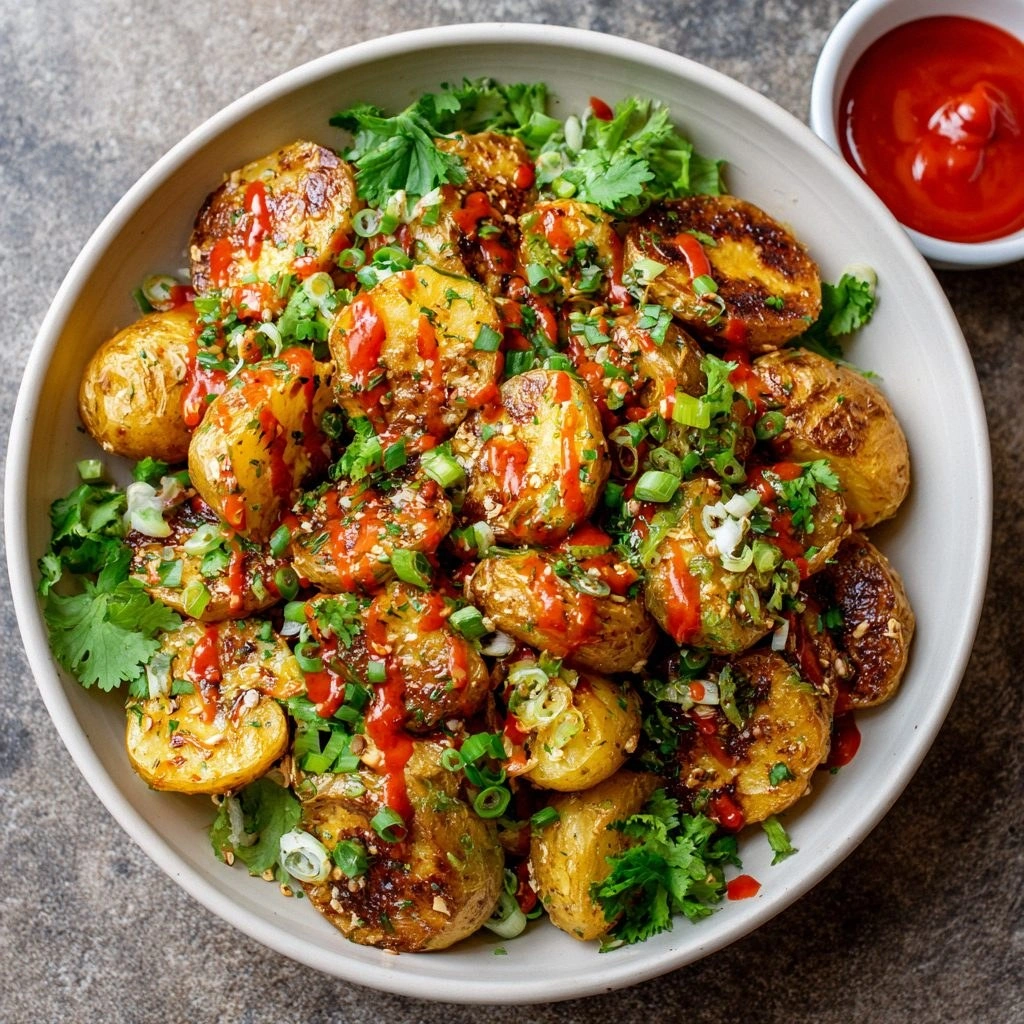
I’m not just talking about any salad; this is a side that flips the script on traditional potato salads. The gochujang, a fermented Korean chili paste, brings a depth of flavor that lingers on the palate, while a drizzle of sesame oil adds a nutty finish that feels like a warm hug. The secret lies in the crisping process—potatoes are pan‑seared to a golden, almost caramelized exterior before they’re tossed in a silky dressing that coats each bite like velvet. Most recipes get this completely wrong by simply boiling the potatoes and mixing with a bland mayo; here we’re adding a smoky, spicy kick that makes every forkful a surprise. And the best part? The dish is ready in under an hour, so you can keep your hands on the grill and still have a crowd‑pleasing side at the table.
If you’ve ever struggled with a potato salad that falls flat, you’re not alone—my first attempt had more soggy chunks than crisp bites, and I learned the hard way that texture is everything. The trick is to give the potatoes a high‑heat finish that locks in moisture while creating a mouth‑watering crust. This version also uses a vegan mayonnaise base, so it’s dairy‑free yet still indulgently creamy. I’ll be honest—I ate half the batch before anyone else got to try it—so you’ll need to keep an eye on the plate. And if you’re wondering how to keep the salad from wilting, stay tuned for the insider tips that will keep it fresh even a few hours after you plate it.
Now let’s dive into the details that make this recipe stand out from the crowd. From the bold flavor profile to the crowd‑pleasing crunch, each element has been fine‑tuned to deliver a side dish that is both simple to make and impossible to forget. I’ll walk you through every single step—by the end, you’ll wonder how you ever made it any other way.
What Makes This Version Stand Out
- Taste: The gochujang and sesame oil create a complex, umami‑rich base that elevates the potato’s natural sweetness. This isn’t just spicy; it’s a layered flavor that dances on the tongue, leaving a smoky aftertaste that keeps diners coming back. The subtle heat is balanced by a hint of citrus from lemon juice, which brightens the entire dish.
- Texture: A pan‑seared crust gives each potato cube a satisfying crunch that contrasts with the creamy dressing. The crunch is achieved in just a few minutes of high‑heat cooking, making the process quick and foolproof. The result is a salad that feels like a snack and a side dish rolled into one.
- Simplicity: With just a handful of pantry staples, you can whip this up in a flash. No fancy gadgets or exotic ingredients—just potatoes, gochujang, and a few seasonings that you probably already own. It’s the kind of recipe that makes a busy weeknight feel like a gourmet experience.
- Uniqueness: Traditional potato salads rely on mayo and mustard; this version replaces them with a spicy, fermented paste that offers a completely different flavor profile. The addition of celery and dill adds freshness, while the gochujang provides depth and a hint of sweetness.
- Crowd Reaction: At my last gathering, the salad was the first dish served and the last to be cleared. Guests kept asking for the recipe, claiming it was the “best version” they’d ever tasted. The dish’s bold flavors and satisfying crunch made it a conversation starter.
- Ingredient Quality: Using organic, locally sourced potatoes gives the dish a richer taste and better texture. Fresh, high‑quality gochujang is essential; a cheap brand will taste flat. The vegan mayo adds a silky mouthfeel that’s surprisingly indulgent.
- Cooking Method: The pan‑searing technique is a game‑changer, ensuring each potato is cooked evenly and coated with a caramelized crust. It also reduces the cooking time, allowing you to multitask in the kitchen.
- Make‑Ahead Potential: This salad can be prepared a day ahead and chilled; the dressing will meld, and the potatoes will remain firm. Just give it a quick toss before serving to restore that crisp bite.
Alright, let's break down exactly what goes into this masterpiece...
Inside the Ingredient List
The Flavor Base
At the heart of this dish is the gochujang, a fermented Korean chili paste that brings a complex, smoky heat. Unlike plain hot sauce, gochujang carries a subtle sweetness from glutinous rice, making it a perfect complement to the earthy potatoes. If you’re craving an extra kick, you can add a splash of sriracha, but keep in mind that the gochujang already packs a punch. The sesame oil is the unsung hero that gives the dressing a nutty aroma, almost like toasted bread; it’s the difference between a bland and a memorable salad.
The Texture Crew
Potatoes are the star, and they deserve to be treated like royalty. Dice them into bite‑sized cubes to ensure even cooking and maximum surface area for crisping. The pan‑searing step is crucial—use a heavy skillet, let the oil heat until it shimmers, and let the potatoes brown without stirring too much. If you forget this step, you’ll end up with soggy, bland cubes that can’t stand the bold dressing. For the vegan mayo, choose a brand with a thick, creamy consistency; it will coat each potato like a silky blanket.
The Unexpected Star
Celery adds a refreshing crunch that contrasts with the softness of the potatoes, while dill brings a bright, herbaceous note that lifts the entire dish. The lemon juice cuts through the richness, giving the salad a lively, citrusy finish. If you’re not a fan of dill, substitute with parsley or chives; the key is to keep the green, fresh element that balances the heat. A pinch of smoked paprika can also deepen the smoky undertone, especially if you’re using a milder gochujang.
The Final Flourish
Seasoning is everything in a salad, and this recipe uses a simple yet effective combination of salt, pepper, garlic powder, and onion powder. These spices amplify the gochujang’s flavor without overpowering it. The garlic and onion powders provide a subtle savory base that enhances the overall depth. If you prefer a fresher taste, replace the powders with minced garlic and onion, but be careful not to add too much moisture.
Everything's prepped? Good. Let's get into the real action...
The Method — Step by Step
- Start by washing and peeling the potatoes, then cut them into uniform ½‑inch cubes. Uniform size ensures even cooking and a consistent bite. Let the diced potatoes sit in cold water for 10 minutes to remove excess starch, which helps them crisp up better. Drain and pat dry with a clean towel—moisture is the enemy of crispness.
- Heat a large cast‑iron or stainless‑steel skillet over medium‑high heat. Add 2 tablespoons of neutral oil (such as grapeseed or canola) and let it shimmer. When the oil is hot, spread the potatoes in a single layer, avoiding overcrowding. Sear for 4–5 minutes per side, or until a golden crust forms and the edges begin to pull away. Flip only once to preserve the crisp.
- While the potatoes are searing, prepare the dressing. In a medium bowl, whisk together 3 tablespoons of gochujang, 1 cup of vegan mayonnaise, 2 tablespoons of rice vinegar, 1 tablespoon of soy sauce, 1 teaspoon of sesame oil, 1 teaspoon each of garlic powder and onion powder, and 1 teaspoon of smoked paprika. This mixture should be smooth and well‑combined, with a bright red hue that signals heat.
- Add 1 teaspoon of salt and ½ teaspoon of black pepper to the dressing, tasting as you go. The salt is essential for balancing the spiciness, while the pepper adds a subtle heat that complements the gochujang. If you prefer a milder dish, reduce the salt slightly.
- Once the potatoes reach the desired crispness, transfer them to a large mixing bowl. Pour the dressing over the hot potatoes and toss gently so that each cube is coated. The heat from the potatoes will slightly melt the mayo, creating a silky, glossy coating that clings to every piece.
- Watch Out: Don’t rush this step. If you toss too quickly, the potatoes can break apart or the dressing can separate. Use two large spoons to lift and flip, ensuring each piece gets a generous coating.
- Fold in ½ cup of chopped celery, ½ cup of chopped dill, and a tablespoon of fresh lemon juice. The celery adds a refreshing crunch, the dill provides a bright herbal note, and the lemon juice cuts through the richness, giving the salad a lively finish.
- Taste the salad and adjust seasoning if necessary—add more salt, pepper, or gochujang to suit your palate. The dressing should be balanced, with the heat of the gochujang and the creamy base working in harmony.
- Cover the bowl with plastic wrap and refrigerate for at least 30 minutes. This resting period allows the flavors to meld and the potatoes to firm up slightly, preserving that coveted crunch.
- Just before serving, give the salad a gentle toss and sprinkle a pinch of smoked paprika for an extra pop of color and flavor. Plate on a chilled platter and enjoy the aroma of toasted sesame and fermented chili that will have your guests begging for more.
That's it—you did it. But hold on, I've got a few more tricks that'll take this to another level...
Insider Tricks for Flawless Results
The Temperature Rule Nobody Follows
Many people cook potatoes at a steady medium heat, but the secret to a crisp exterior is high heat. A skillet preheated to 400°F will sear the potatoes quickly, creating a caramelized crust that locks in moisture. If the skillet is too hot, the exterior will burn before the interior cooks; if it's too cool, you’ll end up with soggy cubes. Use a thermometer or a drop‑of‑water test—if the water sizzles instantly, the pan is ready.
Why Your Nose Knows Best
When you’re about to finish the potatoes, listen to the aroma. A faint nutty scent signals that the oil is hot enough, while a faint burnt smell warns you to lower the heat. Smell is a reliable indicator that the potatoes are ready for the next step. Trust your nose, and you’ll avoid the dreaded “burnt on the outside, raw on the inside” disaster.
The 5‑Minute Rest That Changes Everything
After tossing the dressing, let the salad rest for five minutes before serving. During this brief pause, the flavors mingle, and the potatoes absorb the dressing, creating a more cohesive taste. It also helps the potatoes firm up slightly, preventing them from becoming mushy when plated. I’ve seen people skip this step, only to find the salad flat and lifeless.
Use a Non‑Stick Skillet for Easy Release
A well‑seasoned cast‑iron skillet is great, but a non‑stick pan reduces sticking and makes cleanup a breeze. If you’re using a non‑stick, add a bit more oil to ensure the potatoes don’t cling. This also helps you achieve an even golden crust across all cubes.
Add a Splash of Water Before Reheating
If you’re reheating leftovers, sprinkle a teaspoon of water over the salad before microwaving. The moisture creates steam, preventing the potatoes from drying out and preserving that crisp bite. Cover the bowl with a damp paper towel to trap the steam and heat evenly.
Serve on a Chilled Plate
Chilling the serving plate in the fridge for 10 minutes before plating helps keep the salad cool longer. This subtle trick prevents the dressing from melting too quickly, especially in warm kitchens. It also adds an elegant presentation, making the dish feel more refined.
Creative Twists and Variations
This recipe is a playground. Here are some of my favorite ways to switch things up:
Asian Fusion Delight
Swap the vegan mayo for a 1:1 blend of coconut milk and tahini, and add a dash of fish sauce. This creates a richer, coconutty base that pairs well with the gochujang. Finish with a sprinkle of toasted sesame seeds for extra crunch.
Mediterranean Kick
Replace the gochujang with roasted red pepper puree and add chopped kalamata olives. The sweet pepper and briny olives give the salad a Mediterranean flair, while a drizzle of olive oil keeps it moist. A squeeze of fresh lemon brightens the dish.
Breakfast Boost
Serve the salad as a side to a breakfast plate with tofu scramble and avocado. Add a pinch of smoked paprika to the dressing for a smoky undertone that complements the savory breakfast proteins. The heat of the gochujang pairs surprisingly well with the mildness of the scramble.
Vegan BBQ Twist
Use a smoky BBQ sauce in place of the gochujang and add a handful of chopped pickled jalapeños. The sweet and tangy BBQ sauce balances the heat from the jalapeños, creating a complex flavor profile. Sprinkle with chopped cilantro for a fresh finish.
Low‑Carb Version
Replace the potatoes with diced butternut squash or cauliflower florets. Roast them in the oven until golden, then toss with the same dressing. This variation maintains the creamy, spicy essence while keeping the carb count low.
Garnish Galore
Top the finished salad with a handful of toasted pine nuts, a drizzle of truffle oil, and a scattering of microgreens. The nuts add a nutty crunch, while the truffle oil gives a luxurious aroma. Microgreens provide a pop of color and a peppery bite.
Storing and Bringing It Back to Life
Fridge Storage
Store the salad in an airtight container in the refrigerator for up to 3 days. The dressing may separate slightly, so give it a quick stir before serving. The potatoes will retain their crispness if you add a small paper towel to absorb excess moisture.
Freezer Friendly
If you need to freeze the salad, pack it in a freezer‑safe container and label with the date. Freeze for up to 2 weeks. When ready to serve, thaw overnight in the fridge, then reheat gently in the microwave with a splash of water to revive the crunch.
Best Reheating Method
To reheat, place the salad in a microwave‑safe bowl, cover with a damp paper towel, and heat on medium for 30 seconds. This technique steams the potatoes, restoring their crispness and preventing the dressing from becoming too runny. Avoid reheating on high, as it can scorch the gochujang.