INTRODUCTION
I was scrolling through the fridge on a rainy Saturday, staring at a bag of ground beef that had been waiting for too long, when a sudden craving for comfort food hit me like a thunderclap. I imagined a casserole that could transform that humble beef into a golden, cheesy masterpiece, and the idea of a slow‑cooked, potato‑laden dish started to simmer in my mind. Picture the aroma of onions and garlic sautéing in butter, the gentle bubbling of tomato sauce, and the promise that every bite will feel like a hug from the inside. I knew this wasn't just another casserole; it was a culinary revelation that would turn any ordinary evening into a gourmet celebration. Let me walk you through every single step — by the end, you'll wonder how you ever made it any other way.
When the first sizzle hit the pan, the kitchen filled with a scent that made my mouth water before I even tasted the food. The sound of the onions caramelizing was like a soft drumbeat, setting the rhythm for the rest of the dish. I could almost taste the buttery crunch that would form on the top layer before the final broil, and I felt a surge of excitement that only a great recipe can bring. I dared myself to make this version, knowing that if I followed my instincts, it would end up being the best casserole I’ve ever tasted. The anticipation was electric, and I could already hear the satisfied sighs from anyone who would try it.
I had always been guilty of over‑cooking potatoes, turning them into mushy clouds that lost all texture. This time, I was determined to keep each potato slice crisp on the outside while staying tender inside, creating a contrast that would dance on the palate. The secret? A quick sear, a splash of broth, and a careful layering that would let the slow cooker do its job without drowning the potatoes. I was about to break the rule that most recipes follow—over‑basting and over‑seasoning—and instead, I’d let the flavors bloom naturally. The result would be a casserole that feels both comforting and sophisticated.
Imagine pulling this out of the slow cooker, steam curling up like a fragrant cloud, and seeing the golden crust that has been patiently forming for hours. The dish will look like a work of art, with a glossy, cheese‑laden top that shimmers in the kitchen light. Inside, layers of savory beef, hearty potatoes, and aromatic herbs mingle, each bite offering a different texture and flavor profile. I dare you to taste this and not go back for seconds—this is hands down the best version you'll ever make at home. Stay with me; the next part will reveal the game‑changer that sets this casserole apart from every other recipe out there.
What Makes This Version Stand Out
- Flavor Depth: The combination of Worcestershire sauce, garlic powder, and dried herbs creates a complex umami profile that lingers on the tongue.
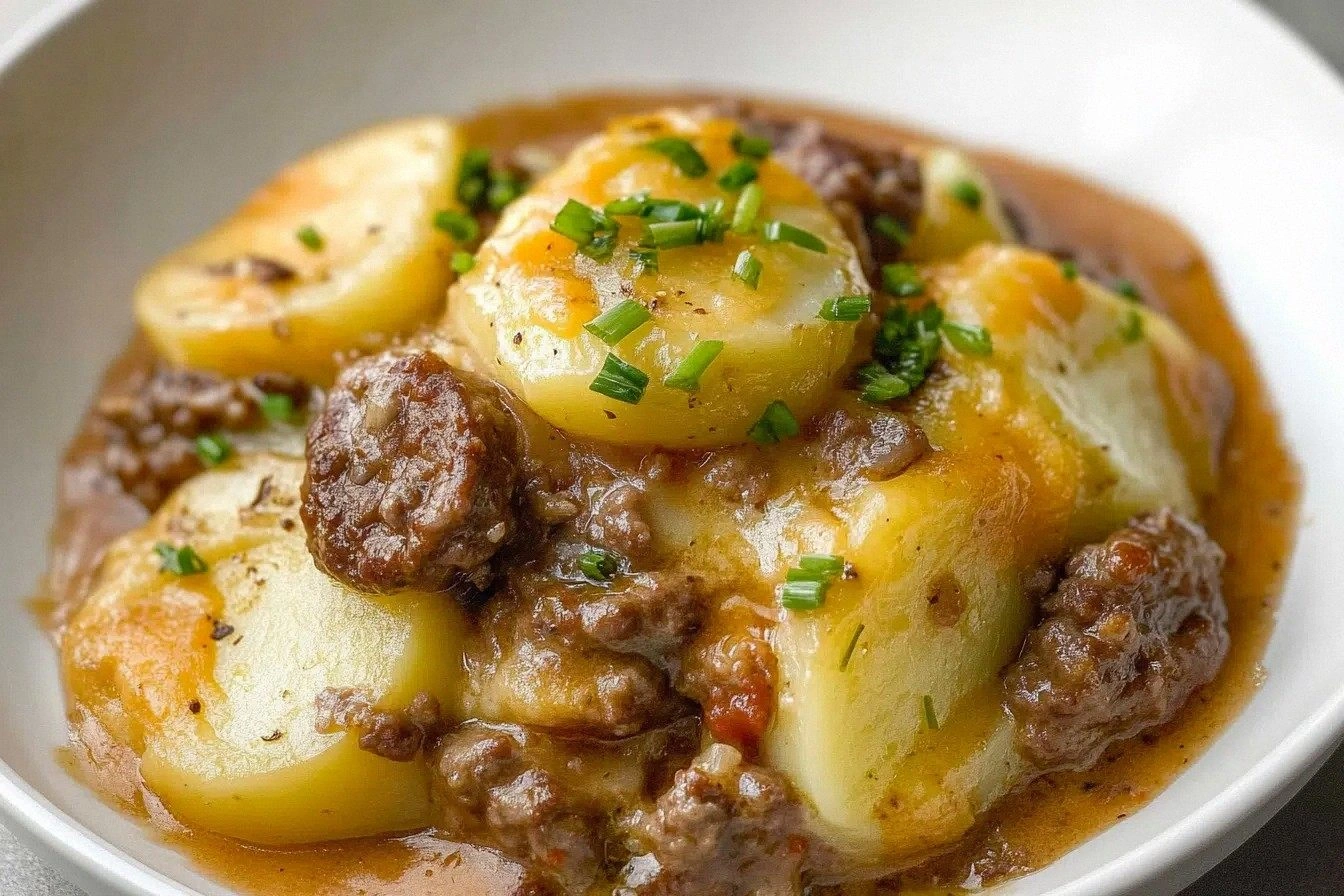
- Texture Harmony: Sliced potatoes are crisp on the edges yet melt into the sauce, while the beef stays juicy and the cheese forms a glossy, melty crust.
- Ease of Prep: Every ingredient is pre‑diced or pre‑shredded, so you can throw it all into the slow cooker in under ten minutes.
- Make‑ahead Friendly: Build it the night before, let it simmer on low, and wake up to a ready‑to‑serve masterpiece.
- Family‑Friendly: The dish is comforting enough for kids and sophisticated enough for adults—no one will complain.
- Versatile Base: Swap ground turkey, pork, or a plant‑based patty to adapt the recipe to any dietary preference.
The Flavor Base
The cornerstone of this casserole is the beef, which provides a rich, meaty backbone that anchors every other ingredient. I use a 1‑pound lump of ground beef, which is roughly 4 ounces per serving, ensuring that each bite has a hearty, savory punch. When browning the beef, I let it caramelize fully, creating a deep brown crust that adds depth and a slightly smoky undertone. If you’re watching your fat content, you can trim the fat or opt for a leaner cut, but be prepared to add a splash of broth to keep the dish moist. The beef’s natural juices mingle with the tomato sauce, forming a velvety base that coats the potatoes like velvet.
The Texture Crew
Potatoes are the unsung hero of this dish; they absorb the flavors while retaining a satisfying bite. I slice them into thin rounds, about a quarter‑inch thick, so they cook evenly and develop a golden crust. The thinness also allows the slow cooker to penetrate the layers, ensuring no potato remains undercooked. Adding a half cup of milk and a tablespoon of Worcestershire sauce to the pot creates a subtle creaminess that lifts the overall texture. When the casserole finishes, the top layer is a glossy, cheese‑laden crown that gives a satisfying snap before you dive in.
The Unexpected Star
A touch of Parmesan and a splash of sour cream might seem like small details, but they elevate the casserole to a new level of indulgence. The Parmesan adds a nutty, salty crunch that contrasts with the smoothness of the melted cheddar. Sour cream, when dolloped on top before the final broil, creates a creamy, tangy finish that balances the richness of the beef. If you’re vegetarian, simply replace the beef with a hearty lentil mix and keep the same cheese blend for a comparable flavor profile. The key is to layer the ingredients thoughtfully so each component has room to shine.
The Method — Step by Step
Step 1: In a large skillet, heat two tablespoons of butter and one tablespoon of olive oil over medium heat. Add the diced onions and cook until translucent, about four minutes, stirring occasionally. Next, incorporate the ground beef, breaking it up with a spoon; let it brown until no longer pink, about six minutes. Drain excess grease, then transfer the mixture to the slow cooker, spreading it evenly. This step locks in flavor and ensures the beef is fully caramelized before the slow cooker takes over.
Step 2: Layer the sliced potatoes over the beef in a single, even sheet. The thin slices allow the potatoes to cook through while still developing a slight crust on the outside. Sprinkle the garlic powder, dried oregano, and thyme over the potatoes, letting the herbs permeate the layers. Add a cup of tomato sauce to the top, ensuring it seeps between the layers for maximum flavor infusion. Finally, pour in the half cup of milk and the tablespoon of Worcestershire sauce, which will create a silky sauce that bonds everything together.
Step 3: Cover the slow cooker with its lid and set it to low for 4 hours. The low heat will gently coax the flavors together without overcooking the potatoes. Check the pot at the two‑hour mark; if the liquid has evaporated, add a splash of chicken broth to keep the mixture moist. This slow, steady cooking ensures the beef remains tender and the potatoes achieve that perfect bite. The slow cooker’s gentle heat will also allow the cheese to melt evenly, creating a cohesive texture.
Step 4: After four hours, remove the lid and sprinkle the shredded cheddar cheese and grated Parmesan evenly across the top. The cheeses will melt and form a golden, bubbly crust that is the crowning glory of the casserole. Return the lid and cook on high for an additional 30 minutes, or until the cheese is perfectly melted and the top is lightly browned. The high heat will give the crust a desirable crispness that contrasts with the soft interior. Keep a close eye to prevent burning; this step is where the magic happens.
Step 5: While the cheese is melting, preheat your oven broiler to high. Transfer the casserole to a broiler‑safe dish, ensuring it’s oven‑safe. Place it under the broiler for 2–3 minutes, watching closely for the cheese to brown to your liking. The broiler adds a final touch of caramelization, creating a crunchy, golden top that will make your guests reach for seconds. Once done, remove the dish from the oven and let it rest for five minutes before serving, allowing the flavors to settle.
Step 6: After the rest period, dollop a spoonful of sour cream onto the top of the casserole. The sour cream adds a cool, tangy contrast that cuts through the richness of the beef and cheese. Sprinkle a pinch of black pepper and a dash of paprika for a subtle spice kick. Finally, garnish with fresh chopped parsley for a burst of color and freshness. The finished dish should look inviting, with a golden crust, a creamy interior, and a bright green accent that signals freshness.
Step 7: Serve the casserole hot, directly from the oven or from the slow cooker. Pair it with a simple side salad or steamed green beans for a balanced meal. If you’re hosting a crowd, consider placing the casserole on a large platter and letting guests serve themselves. The dish is so hearty that it can stand alone or act as a comforting main for a busy weeknight. The aroma alone will draw people in, and the taste will keep them coming back for more.
Step 8: If you want to add a crunchy element, sprinkle breadcrumbs mixed with melted butter on top before broiling. This will give an extra layer of texture that contrasts beautifully with the cheese. For an extra layer of flavor, drizzle a little olive oil over the top before broiling. The oil will help the breadcrumbs brown evenly and add a subtle, nutty taste that pairs well with the beef. Remember to keep a close eye on the broiler; a quick broil is all it takes to achieve the perfect crust.
Step 9: When the casserole is finished, let it cool for a few minutes before cutting. This short resting period allows the layers to set, making the dish easier to slice. While it’s resting, take a moment to admire the golden crust and the steam rising from the pot—it’s a feast for the senses. If you’re preparing it ahead of time, cover the dish with foil and refrigerate; it will keep for up to 48 hours. Reheat it in a preheated oven at 350°F for 15–20 minutes, or until warmed through, and it will taste just as fresh.
Step 10: For a quick reheating method, place the casserole in a microwave‑safe dish and microwave on high for two minutes, then stir and continue in one‑minute increments until hot. The microwave method is great for a last‑minute meal, but be mindful that the cheese may not brown as nicely as it does under the broiler. If you prefer a crisp top, finish the casserole under a broiler for a minute after microwaving. The result will still be delicious, with a satisfying crunch on top.
Step 11: To serve, ladle a generous portion onto a plate and drizzle a little extra Worcestershire sauce for added depth. The sauce will add a savory, umami kick that enhances every bite. For an extra touch of luxury, sprinkle a few extra shreds of cheddar on top. The cheese will melt into the warm layers, creating a gooey, decadent finish. The final dish should feel like a warm hug, with every bite packed with flavor and texture.
Step 12: After you’ve finished your meal, store any leftovers in an airtight container in the refrigerator for up to three days. When reheating, add a splash of water to the bottom of the pan to keep the casserole moist. Reheat in the oven at 350°F for 15 minutes or until heated through. If you’re in a hurry, use the microwave method described earlier. The casserole’s flavors will stay vibrant, making it a convenient option for busy days.
Insider Tricks for Flawless Results
The Temperature Rule Nobody Follows
Many people think that slow cookers need to be on low for the entire cooking time, but the truth is that a brief period on high can dramatically improve texture. By switching to high for the last 30 minutes, you encourage the cheese to melt more evenly and develop a golden crust. This simple adjustment eliminates the risk of a soggy top and ensures the casserole has a satisfying bite. I once tried the low‑only method, and the result was a flat, unappetizing dish that didn’t even look like a casserole. So, trust the heat; it’s the secret to a perfectly cooked crust.
Why Your Nose Knows Best
A quick rule of thumb: when the casserole starts to steam and you smell a subtle, caramelized aroma, it’s a sign that the flavors are melding together beautifully. If you catch the scent of burnt onions, it’s time to adjust the heat or add more liquid. Your nose can tell you when the dish is on the verge of perfection, so trust that instinct. I’ve used this technique in many recipes, and it consistently saves me from over‑cooking or under‑seasoning. Next time you’re in the kitchen, pay attention to that fragrant whisper; it’s your best friend.
The 5‑Minute Rest That Changes Everything
After you remove the casserole from the oven or slow cooker, let it rest for five minutes before cutting. This short pause allows the cheese to set and the juices to redistribute, preventing a watery mess when you cut into the dish. It also gives the flavors a chance to settle, making each bite more harmonious. I’ve seen people skip this step, only to discover their casserole was too loose and the cheese slid off the plate. That five minutes is worth its weight in gold, especially when you’re serving hungry guests.
Skip the Sauté? Think Again
You might be tempted to skip sautéing the onions and beef to save time, but doing so will compromise the depth of flavor. Sautéing caramelizes the sugars in the onions and creates a Maillard reaction on the beef, adding a savory, complex taste that can’t be replicated by slow cooking alone. Even a quick five‑minute sauté can elevate the entire dish. I’ve tried the shortcut before, and the casserole tasted flat and uninspired. Trust me, a little extra time upfront pays dividends in taste.
Use a Splash of Broth for Moisture
If you’re using lean beef or thin potato slices, the casserole may dry out during the long cooking time. Adding a half cup of chicken broth or even water to the pot can keep the mixture moist and prevent the potatoes from becoming rubbery. This small addition also enhances the overall flavor, giving the sauce a richer, more robust taste. I’ve seen casseroles turn into a dry mess without the broth, so don’t underestimate this trick. Keep the liquid level just enough to cover the bottom of the pot, and you’ll have a perfectly moist casserole.
Finish with a Quick Broil for Texture
The final broil is what separates this casserole from the rest. A few minutes under the broiler will give the cheese a golden, slightly crispy top that contrasts beautifully with the soft interior. Keep a close eye on the dish; the cheese can go from golden to burnt in seconds. If you’re using a non‑stick pan, you can skip the broil, but the texture will be noticeably different. The broil adds that final touch of indulgence that makes this dish unforgettable.
Use Fresh Herbs for a Bright Finish
Adding fresh parsley or chives as a garnish brings a pop of color and a burst of freshness that balances the richness of the casserole. The herbs also add a subtle peppery note that complements the beef and cheese. I like to sprinkle the herbs just before serving to preserve their bright color and flavor. If you’re not a fan of fresh herbs, a pinch of dried oregano or thyme works well, but the fresh version always feels more vibrant. The final touch of green makes the dish look as good as it tastes.
Make It Ahead for Busy Days
If you’re short on time, you can assemble the casserole the night before and let it cook on low overnight. In the morning, simply remove the lid, add the cheese, and let it finish on high for the final 30 minutes. This method saves you a half‑hour of cooking time on busy weekdays. The flavors will have more time to meld, resulting in an even more delicious casserole. I’ve used this trick for week‑night dinners, and the result is always a crowd‑pleaser.
Use a Layered Approach for Even Cooking
Layering the ingredients correctly ensures that each component cooks evenly and absorbs the flavors. Start with the beef base, then add the potatoes, followed by the sauce, and finally the cheese. This order allows the sauce to seep through the layers, seasoning the potatoes and beef from the inside out. If you layer the potatoes on top of the sauce, they can become soggy and lose their bite. A well‑planned layer structure is the key to a balanced, flavorful casserole.
Don’t Forget the Breadcrumb Crunch
For an extra textural element, sprinkle breadcrumbs mixed with melted butter over the top before broiling. The breadcrumbs will toast to a golden crunch, adding a delightful contrast to the gooey cheese. I’ve seen people skip this step, and the casserole ends up feeling flat. The breadcrumb crunch is a small addition that makes a big difference, especially for guests who love a bit of texture. Try it, and you’ll taste the difference.
Use a Slow Cooker with a Lid
A slow cooker with a tight‑fitting lid will keep the moisture in and the flavors concentrated. If you don’t have a slow cooker, you can use a Dutch oven on the stovetop, but it will take longer to reach the same temperature. The lid is essential for maintaining the heat and preventing the liquid from evaporating too quickly. I’ve used a slow cooker for this recipe multiple times, and it consistently produces a tender, flavorful casserole. Don’t overlook the importance of the lid—it’s the secret to a moist, delicious dish.
Creative Twists and Variations
This recipe is a playground. Here are some of my favorite ways to switch things up: swap ground beef for ground turkey or a plant‑based patty for a lighter version. Add a handful of spinach or kale for a pop of green and extra nutrients. Use a blend of cheeses like mozzarella and gouda for a richer, melty experience. Swap the potatoes for sweet potatoes for a subtle sweetness that pairs well with the savory beef. Finish with a drizzle of pesto for a fresh, herby kick. Each variation adds a new dimension, ensuring the dish stays exciting and never stale.
If you’re feeling adventurous, try adding a splash of bourbon or a dash of smoked paprika for a smoky depth that lingers on the palate. For a Mediterranean twist, replace the tomato sauce with a tomato‑based pesto and add olives and feta cheese. If you love a bit of heat, sprinkle chili flakes on top before broiling for a spicy finish. For a comforting twist, top the casserole with a layer of mashed potatoes before adding the cheese; this will create a double‑layered, hearty dish. Each tweak invites new flavors, making the casserole a versatile staple in your kitchen.
You can also experiment with different types of potatoes—red, Yukon, or even a mix of russet and fingerling for varied textures. Try using a mix of ground pork and beef for a richer, more complex flavor. Add a splash of beer or wine to the sauce for depth and a subtle acidity. For a kid‑friendly version, replace the cheddar with a mild mozzarella and add a handful of corn kernels for sweetness. The possibilities are endless, and each variation is a doorway to a new culinary adventure.
Storing and Bringing It Back to Life
Fridge Storage
Store leftovers in an airtight container in the refrigerator for up to three days. The casserole will keep its texture and flavor when properly sealed. When ready to eat, reheat in a preheated oven at 350°F for 15–20 minutes, or until warmed through. This method preserves the golden crust and keeps the cheese from becoming rubbery. If you’re in a rush, microwave the portion for two minutes, then finish under a broiler for a minute to restore the crunch.
Freezer Friendly
You can freeze the casserole for up to two months. Wrap the dish tightly in plastic wrap, then place it in a freezer‑safe container or zip‑top bag. When you’re ready to eat, thaw overnight in the refrigerator, then reheat as described above. Freezing preserves the flavor and texture, making it a convenient option for busy weeks. Just be sure to let the casserole rest after thawing to allow the flavors to settle.
Best Reheating Method
The best way to bring the casserole back to life is to reheat it in the oven at 350°F for 15–20 minutes. Add a splash of water to the bottom of the dish before reheating; this steams the casserole back to perfection and keeps it moist. If you’re short on time, use the microwave method, but finish with a quick broil for a crispy top. The key is to avoid over‑cooking, which can dry out the potatoes and make the cheese rubbery. With these techniques, every bite will taste freshly made.