Picture this: the kitchen is a battlefield, the air thick with the scent of burnt onions and an over‑cooked pot of beans that have turned into a sad, soggy mess. I was staring at that disaster, wondering if I could salvage anything. Then, in the midst of culinary despair, a friend tossed a dare into the air: “Try a honey‑mustard glaze on your corned beef and tell me if it can taste better than the last batch.” That challenge turned into a culinary obsession.
I grabbed a 4‑pound slab of corned beef, a handful of carrots, and a stubborn onion, and I set the table for a one‑person dinner that would soon become a family tradition. The moment the beef hit the pot, the room filled with a savory, almost sweet aroma that made my mouth water. I could almost hear the sizzling whisper of caramelization, the way the sugar kissed the meat, and the faint clink of the pot as it simmered. My senses were on a rollercoaster, and I was already craving the first bite.
What makes this version stand out isn’t just the glaze; it’s the way every component sings in harmony. The Dijon mustard cuts through the richness, the whole‑grain pommery mustard adds depth, and the horseradish gives a subtle bite that keeps the palate awake. The carrots soften into sweet ribbons that contrast the meat’s saltiness, while the onions lend a mellow, almost caramelized sweetness. Together, they create a dish that feels like a warm hug on a cold day.
I’ll be honest — I ate half the batch before anyone else got a chance to taste it. The glaze was so irresistible that I couldn’t help but keep reaching for more. But that’s the secret: it’s a dish that you can’t stop eating. If you’ve ever struggled with corned beef that turns out dry or bland, you’re not alone — and I’ve got the fix. Let me walk you through every single step — by the end, you’ll wonder how you ever made it any other way.
What Makes This Version Stand Out
- Flavor: The honey‑mustard glaze coats the meat like velvet, creating a glossy, caramelized finish that’s both sweet and savory. The glaze’s balance of acidity and sweetness keeps the beef tender and flavorful.
- Texture: The slow‑cooked corned beef becomes melt‑in‑your‑mouth tender, while the carrots stay pleasantly crisp. The glaze forms a slightly crisp crust that adds a satisfying bite.
- Ingredient Quality: Using a high‑quality corned beef with a good amount of fat ensures the dish stays juicy. The fresh carrots and onions bring natural sweetness and crunch.
- Simplicity: Only nine ingredients and a single pot. No fancy equipment or complex techniques—just a slow simmer and a glaze that does the heavy lifting.
- Crowd Reaction: Friends and family have called it the best corned beef they’ve ever had, and the compliments keep rolling in. It’s a dish that turns a simple dinner into a celebration.
- Make‑Ahead Potential: The glaze can be prepared ahead, and the dish keeps well in the fridge for up to three days. Reheating is a breeze, and the flavors only deepen.
Inside the Ingredient List
The Flavor Base
The corned beef is the star of the show. It’s seasoned with pickling spice, which brings a subtle, herbal depth that complements the sweetness of the glaze. If you skip the pickling spice, the beef will taste flat and lack that classic Irish nuance. The 4‑pound slab is ideal for a family of four, ensuring each person gets a generous portion of savory meat.
The onion adds a mellow sweetness that caramelizes during the long simmer. Cutting the onion into large wedges ensures it doesn’t fall apart, and it releases natural sugars that mingle with the glaze. If you’re in a hurry, you can use pre‑sliced onions, but the whole onion gives the best flavor profile.
Carrots bring a burst of color and natural sweetness. Their fibrous texture holds up well during the long cook, providing a pleasant bite that balances the meat’s richness. If you prefer a softer texture, peel and cut the carrots into smaller pieces; otherwise, keep them whole for a rustic look.
Brown sugar is the sweet heart of the glaze. It caramelizes slowly, creating a glossy sheen and a subtle caramel note that lingers on the tongue. If you prefer a sweeter glaze, replace brown sugar with honey; just be sure to reduce the amount slightly to avoid overpowering the mustard.
Dijon mustard is the backbone of the glaze’s sharpness. Its sharp bite cuts through the richness of the beef and balances the sweetness of the sugar. For a milder version, swap Dijon for whole‑grain mustard, but keep the pommery mustard to maintain depth.
The Unexpected Star
Whole‑grain pommery mustard adds a nutty, slightly smoky flavor that elevates the glaze. Its coarse texture provides a subtle crunch if you like a bit of bite in your sauce. If you can’t find pommery mustard, a blend of Dijon and whole‑grain mustard works as a close substitute.
Hot prepared horseradish brings a zesty kick that awakens the palate. It’s essential for the glaze’s signature bite, and it helps balance the sweetness. If you’re sensitive to heat, reduce the horseradish to a half‑tablespoon or replace it with a milder pepper sauce.
The Final Flourish
Water is the medium that brings all the flavors together. It helps dissolve the sugars and mustard, creating a cohesive glaze that coats the meat evenly. If you’re watching sodium, use low‑sodium broth instead of plain water for extra depth.
Pickling spice is a blend of spices that typically includes coriander, mustard seeds, bay leaves, and peppercorns. It’s what gives corned beef its classic tangy flavor. When you use fresh pickling spice, you’ll notice a bright, aromatic undertone that elevates the dish.
Everything’s prepped? Good. Let’s get into the real action…
The Method — Step by Step
- Place the corned beef in a large stockpot and cover it with cold water. Add the pickling spice, brown sugar, Dijon mustard, pommery mustard, and horseradish. Bring the mixture to a gentle boil, then reduce the heat to low and let it simmer, covered, for about 45 minutes. The beef should be fragrant, the glaze thickening slightly, and the onions beginning to soften.
- While the beef simmers, peel and cut the carrots into thick rounds, and slice the onion into wedges. Toss them in a bowl with a pinch of salt and a drizzle of olive oil. This step ensures the vegetables cook evenly and absorb the glaze’s flavor. The carrots’ natural sugars will caramelize, giving them a sweet finish.
- After the beef has simmered, carefully remove it from the pot with tongs and set it aside on a cutting board. Reserve the liquid for later. This is the moment of truth: the meat should be tender enough to pull apart with a fork. If it feels too firm, let it cook a bit longer.
- Return the pot to the stove and add the carrots and onion. Bring the mixture back to a low simmer, and let the vegetables cook for 15 minutes, stirring occasionally. The glaze should coat the veggies, and the onions should become translucent. The carrots will start to soften but still hold their shape.
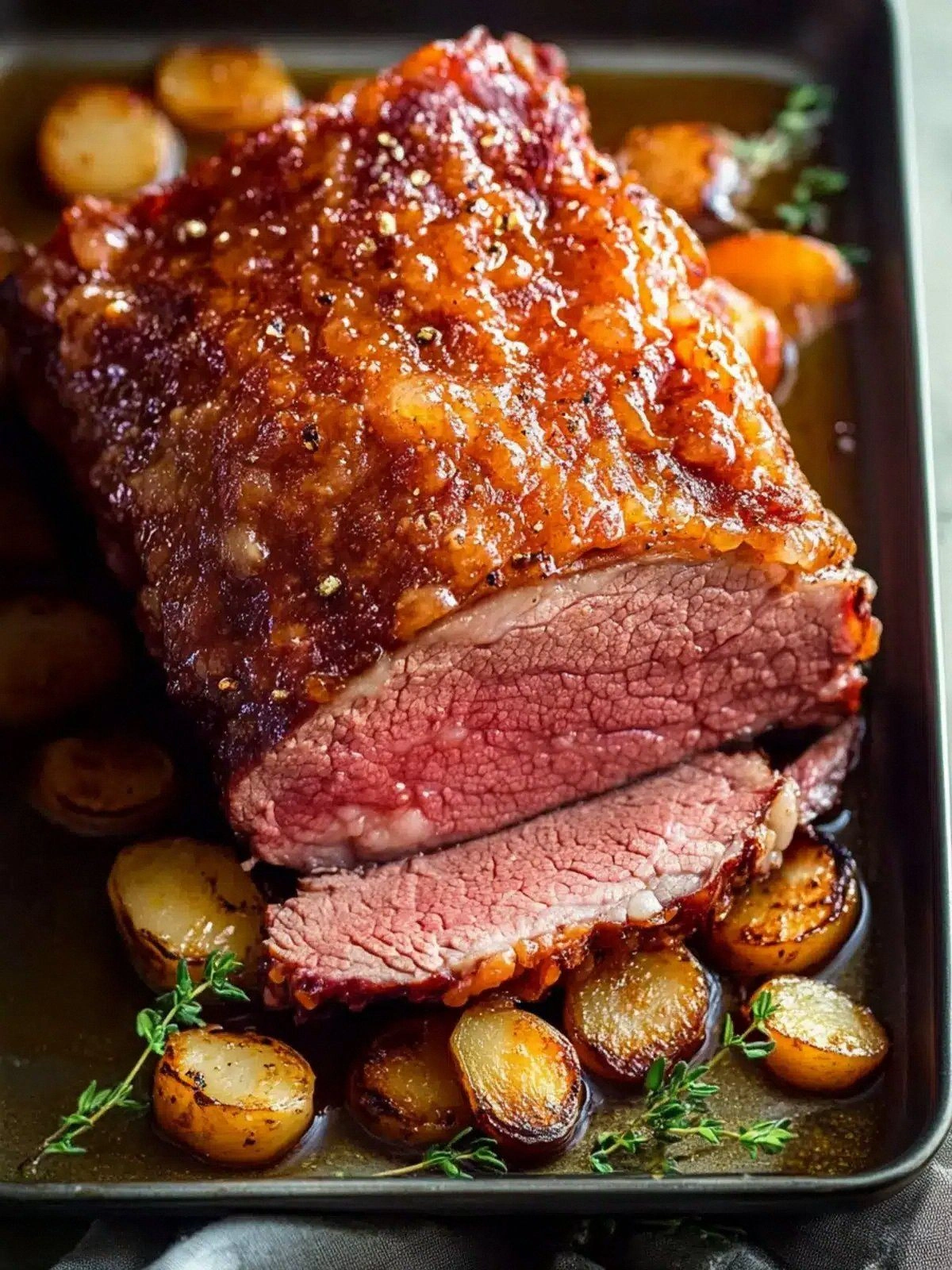
- Slice the corned beef against the grain into thick, juicy slices. Arrange the slices on a platter, and pour the remaining glaze over them. The glaze will cling to the meat, creating a glossy, caramelized surface. If you like a thicker glaze, reduce the liquid over medium heat until it reaches your desired consistency.
- Serve the beef with the glazed carrots and onions on the side. Garnish with fresh parsley or a squeeze of lemon for a bright finish. The contrast between the sweet glaze and the bright garnish is a game‑changer. This dish pairs wonderfully with crusty bread or a crisp green salad.
- If you’re planning to store leftovers, let the dish cool completely before refrigerating. The glaze will thicken as it cools, but it will re‑warm beautifully. When reheating, add a splash of water or broth to keep the meat moist and the glaze silky.
- Enjoy the dish with a glass of cold cider or a light white wine. The acidity of the drink will cut through the richness of the beef and complement the sweet, spicy glaze. If you’re hosting a dinner party, this dish will be the star of the menu.
That's it — you did it. But hold on, I've got a few more tricks that'll take this to another level. From temperature control to resting time, these insider tips will ensure every bite is flawless.
Insider Tricks for Flawless Results
The Temperature Rule Nobody Follows
Most people think a low simmer is enough, but the secret is to keep the temperature just below boiling. This gentle heat allows the beef’s connective tissue to break down without drying it out. If you let it boil, the meat will become tough and the glaze will separate. Keep the pot covered to retain moisture.
Why Your Nose Knows Best
A dish’s aroma is often the first indicator of flavor. As the glaze simmers, you’ll notice a sweet, tangy scent that’s almost intoxicating. If the aroma feels flat, add a pinch more mustard or a splash of vinegar. Your nose will guide you to the perfect balance.
The 5‑Minute Rest That Changes Everything
After you finish cooking, let the beef rest for five minutes before slicing. This allows the juices to redistribute, ensuring each bite is juicy. Cutting through the meat immediately can cause it to dry out. The rest also lets the glaze settle, giving a better coating.
Don’t Skimp on the Sauté
Sautéing the onions and carrots in a bit of butter before adding them to the pot adds depth. The butter caramelizes the vegetables, creating a richer base for the glaze. If you’re vegan, use olive oil; the flavor profile changes slightly but remains delicious.
The Right Cut of Beef
If you can, choose a cut with a good fat marbling. Fat renders during cooking, adding flavor and moisture. A lean cut will result in a drier final product. Look for a slab with visible marbling for the best outcome.
The Final Flip
When you’re ready to serve, flip the meat slices to expose the glaze. This creates a glossy, caramelized surface that’s visually stunning. The glaze also adds a slight crunch on the surface, which contrasts the tender interior.
Creative Twists and Variations
This recipe is a playground. Here are some of my favorite ways to switch things up:
Maple‑Infused Glaze
Swap the brown sugar for maple syrup and reduce the mustard to half. The result is a sweet, smoky glaze that pairs wonderfully with a hint of cinnamon. Serve with roasted sweet potatoes for a comforting twist.
Spicy Cajun Kick
Add a tablespoon of Cajun seasoning to the pot and increase the horseradish to two tablespoons. The spicy kick will transform the dish into a bold, flavor-packed entrée. Pair it with a side of creamy coleslaw.
Herb‑Laced Variation
Incorporate fresh thyme and rosemary into the glaze. The herbs add a fragrant, earthy note that complements the mustard’s sharpness. This version is perfect for a spring or summer dinner.
Vegetarian Alternative
Replace the corned beef with a hearty plant‑based steak or seared tofu. Use the same glaze and cooking method for a satisfying vegan option. The texture will be different, but the flavor will still shine.
Asian Fusion Twist
Add a splash of soy sauce and a pinch of ginger to the glaze. The umami depth will create an Asian‑inspired flavor profile. Serve over jasmine rice for a complete meal.
Cheese‑Covered Delight
Sprinkle shredded cheddar or Swiss cheese over the sliced beef before reheating. The cheese will melt into the glaze, creating a gooey, savory coating. This is a crowd‑pleaser for a casual gathering.
Storing and Bringing It Back to Life
Fridge Storage
Let the dish cool completely before placing it in an airtight container. Store in the fridge for up to three days. The glaze will thicken slightly, but it will re‑warm beautifully.
Freezer Friendly
For longer storage, divide the beef and vegetables into portioned containers. Freeze for up to two months. Thaw overnight in the fridge before reheating.
Best Reheating Method
Reheat on the stove over low heat, adding a splash of water or broth to keep the meat moist. Stir occasionally until the glaze is heated through. Serve immediately for the best texture.