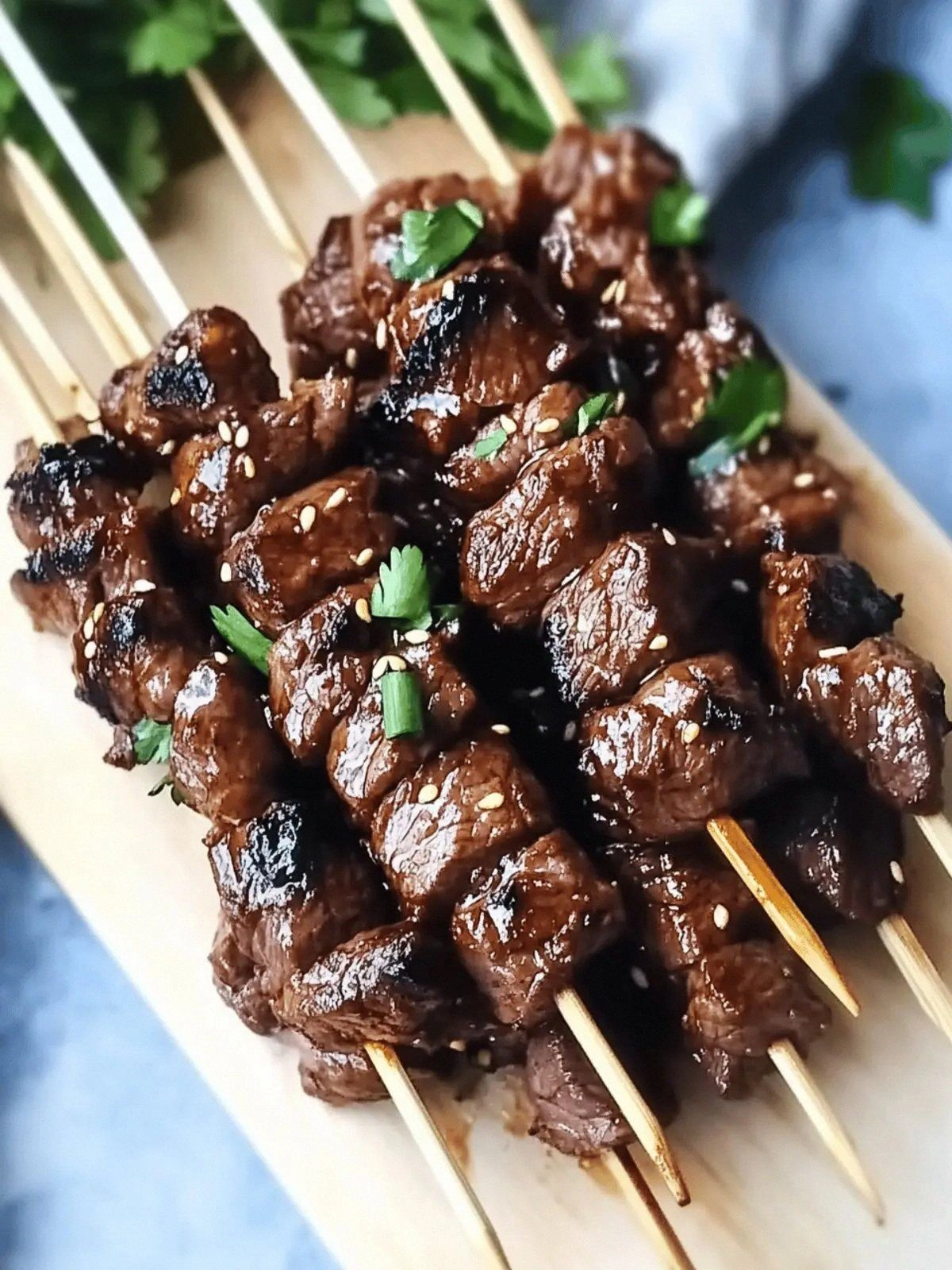
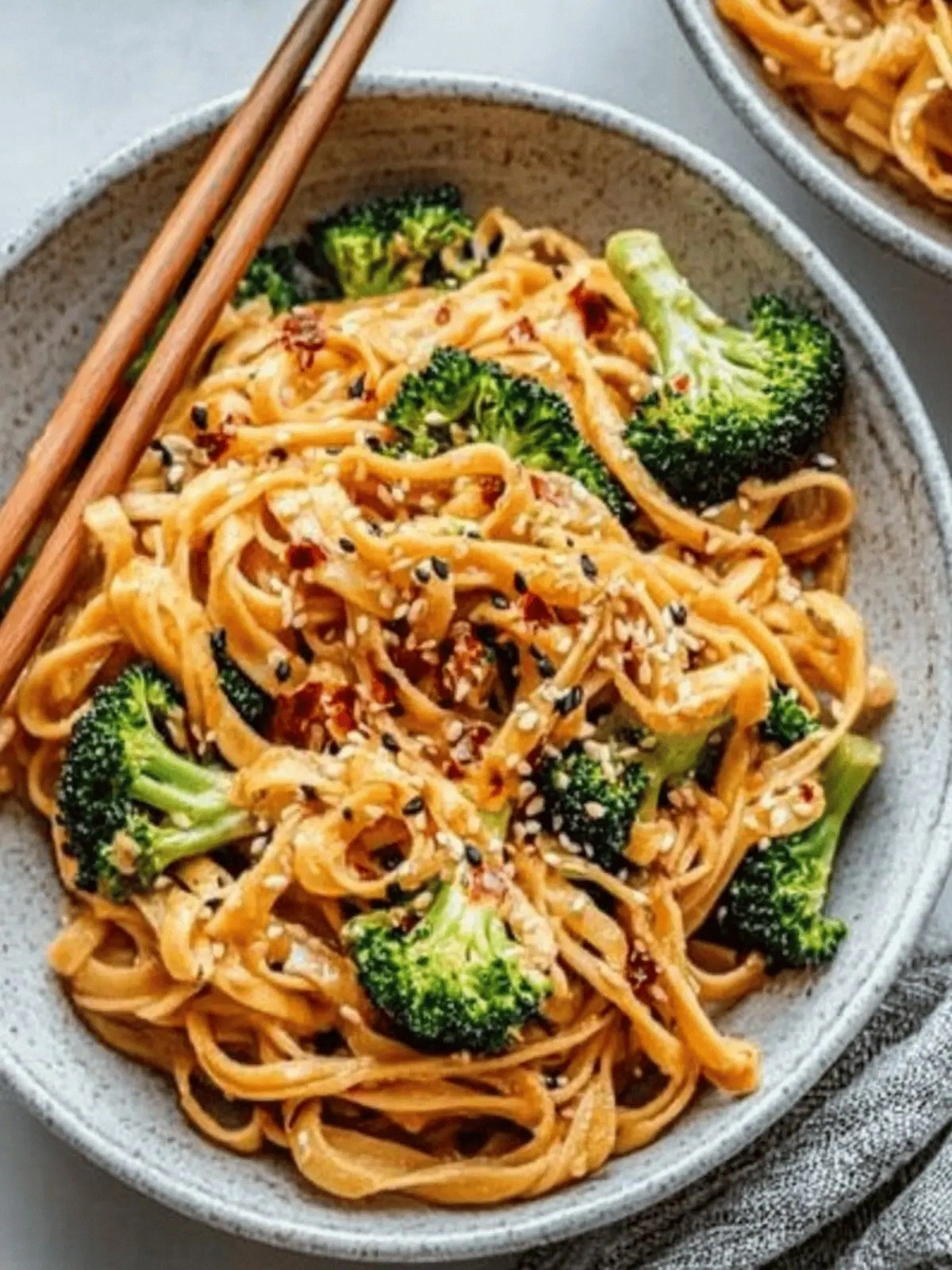
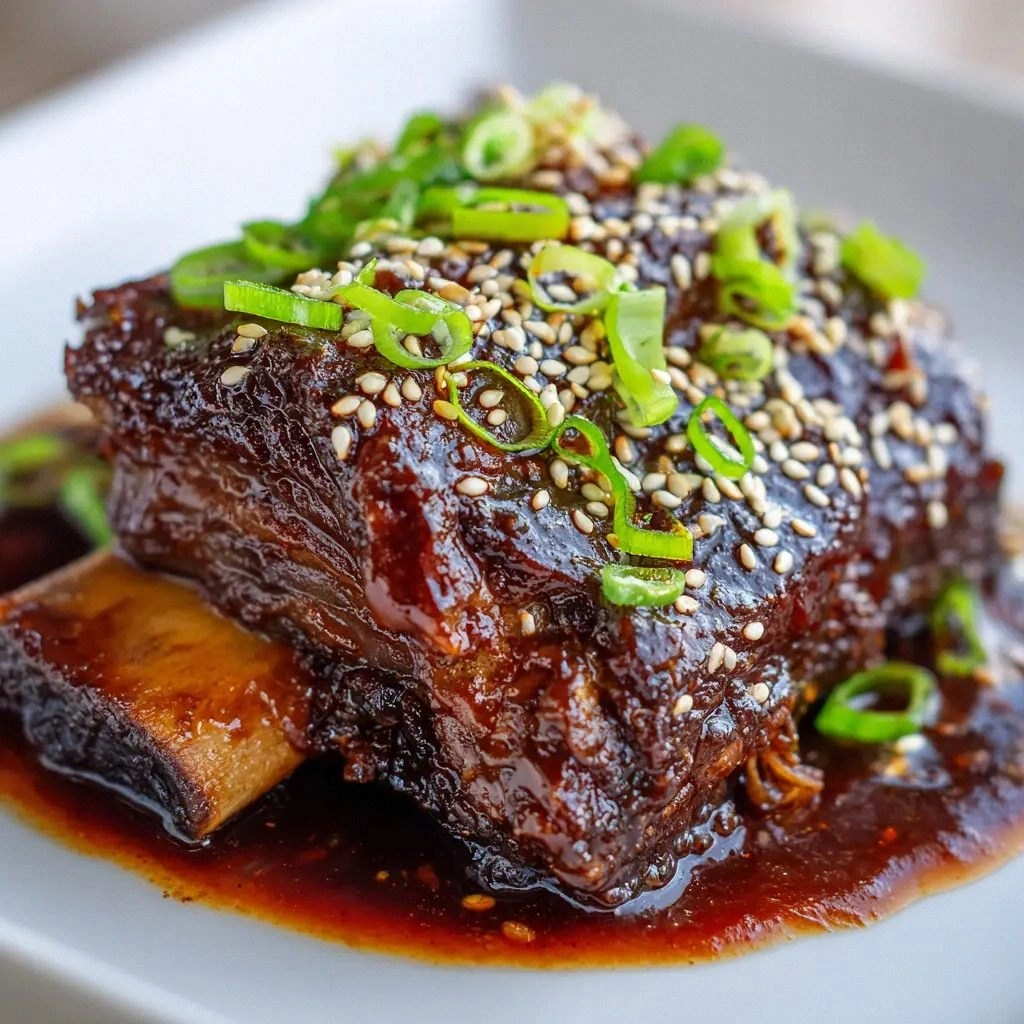
I was staring at a pantry that looked more like a museum of forgotten leftovers than a source of inspiration. The only thing I could muster was a half‑sliced bell pepper, a handful of carrots, and a stubborn block of tofu that had seen better days. I tossed them into a pan, hoping for a culinary miracle, but what came out was a sad, soggy mess that made me question my life choices. That night, as I stared at the burnt edges and the faint scent of disappointment, a friend texted me a recipe that promised a “15‑minute veggie stir‑fry” that could turn my kitchen catastrophe into a triumph. I laughed, then decided to give it a try, because why not? If you’re like me, you’ve probably spent a half‑hour scrambling to get dinner on the table, only to end up with something that tastes like it was microwaved in a cardboard box. That’s why this version is a game‑changer.
Picture the scene: the sizzling sound of garlic hitting a hot pan, the aroma of ginger blooming like a small, fragrant explosion, and the bright, almost neon colors of bell peppers and snow peas dancing in a glossy sauce that looks like liquid velvet. The first bite is a symphony of crunch, sweetness, and umami, all wrapped around fluffy rice that absorbs every drop of sauce like a sponge. I dare you to taste this and not go back for seconds. If you’ve ever struggled with getting veggies to stay crisp while still getting that “stir‑fry” flavor, you’re not alone — and I’ve got the fix. Most recipes get this completely wrong, but here’s what actually works: the right heat, the right order of ingredients, and a sauce that coats the rice like a silky blanket. And the best part? You can do it in 15 minutes, and the kitchen smells like a high‑end restaurant instead of a burnt mess.
Let me walk you through every single step — by the end, you’ll wonder how you ever made it any other way. I’ll be honest — I ate half the batch before anyone else got to try it. The rest of this post is a playbook: from the ingredients that make the difference to the insider tricks that elevate the dish from “quick” to “wow.” You’ll learn how to keep veggies crisp, how to get that sauce to cling to rice like a second skin, and how to finish the dish with a flourish that makes it feel like a five‑star meal. Stay with me here — this is worth it.
What Makes This Version Stand Out
- Taste: A balanced blend of sweet honey, savory soy sauce, and a subtle kick from crushed red pepper creates a flavor profile that is both comforting and exciting.
- Texture: The vegetables retain a satisfying crunch while the rice soaks up the sauce, delivering a contrast that feels like a well‑crafted dish.
- Simplicity: No pre‑marinades or complicated steps—everything goes in the pan in a logical sequence, saving time and effort.
- Uniqueness: The addition of toasted sesame seeds and a splash of ginger gives the dish an unexpected depth that sets it apart from standard stir‑fries.
- Crowd Reaction: Friends who are skeptical of quick meals are left impressed, often asking for a repeat and bragging about the taste to their own circles.
- Ingredient Quality: Fresh, seasonal produce is key; even the smallest quality difference in the vegetables translates to a noticeable flavor lift.
- Cooking Method: High‑heat, quick‑sauté technique preserves nutrients and color, ensuring the dish looks as good as it tastes.
- Make‑Ahead Potential: Leftovers can be reheated without losing texture, making this a versatile option for busy weeknights.
Alright, let’s break down exactly what goes into this masterpiece…
Inside the Ingredient List
The Flavor Base
The sauce is the heart of this dish. It’s a simple blend of soy sauce, honey, ginger, and a splash of sesame oil. The honey adds a touch of sweetness that balances the salty soy, while the ginger injects a bright, peppery note that cuts through the richness. Sesame oil, used sparingly, contributes a nutty aroma that elevates the entire dish. If you’re a fan of umami, you can add a teaspoon of fish sauce or a splash of mirin to deepen the flavor profile. The key is to mix the sauce components before adding them to the pan; this ensures even distribution and prevents any clumping.
The Texture Crew
Crisp vegetables are a hallmark of a great stir‑fry. Bell peppers, carrots, snow peas, and broccoli florets provide a colorful, crunchy foundation. They should be cut into uniform pieces so that they cook evenly. A quick blanch in boiling water for 30 seconds before adding to the pan helps maintain their bright colors and firm texture. If you’re using pre‑cut veggies, just be sure they’re fresh and not soggy. The green onions add a subtle sharpness that cuts through the sweetness, and the toasted sesame seeds bring a delightful crunch that lingers on the tongue.
The Unexpected Star
The protein of choice—whether tofu, chicken, or shrimp—adds a savory depth that turns the dish into a complete meal. Tofu is a favorite because it soaks up the sauce beautifully and offers a neutral base that lets the veggies shine. If you opt for chicken, use boneless, skinless thighs for maximum flavor; if you choose shrimp, a quick sear in a hot pan locks in juices and keeps them from becoming rubbery. The protein should be cooked first to avoid overcrowding the pan, which can cause steaming instead of searing.
The Final Flourish
Crushed red pepper flakes add a subtle heat that wakes up the palate. A pinch of salt, if you prefer, can round out the flavors. The final touch is a generous sprinkle of toasted sesame seeds, which not only adds texture but also a nutty aroma that completes the dish. For an extra layer of flavor, you can drizzle a little extra soy sauce or a squeeze of lime juice just before serving.
Everything’s prepped? Good. Let’s get into the real action…
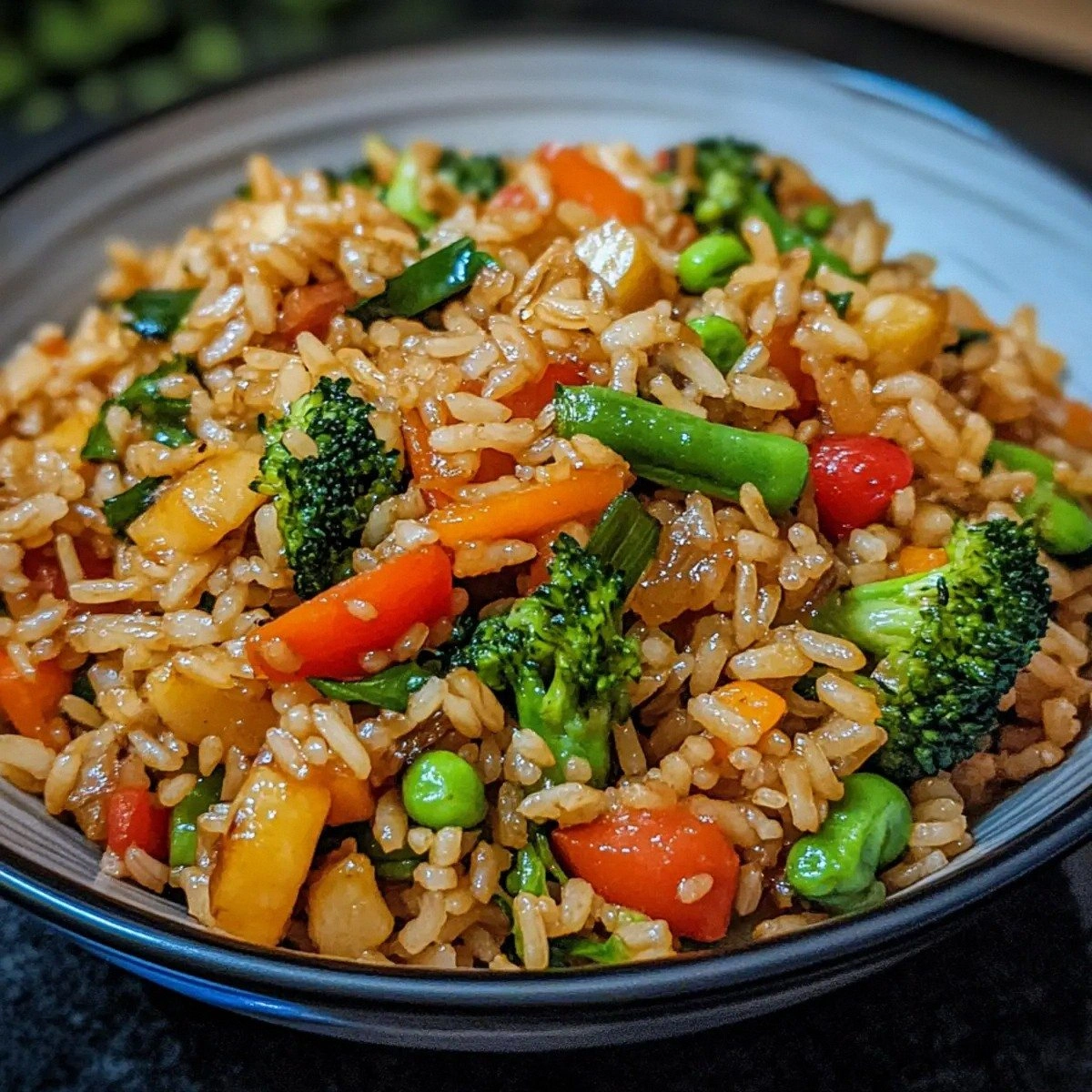
The Method — Step by Step
- Heat a large wok or skillet over high heat until it’s smoking hot. Add the tablespoon of sesame oil, letting it swirl around the pan until it shimmers. This high‑heat base is essential for that coveted sear; a cooler pan will just steam the veggies. Watch the oil; it should not smoke excessively, just give off a faint scent of toasted sesame. This is the moment where the kitchen starts smelling like a Michelin‑star restaurant.
- Add the protein of choice to the pan. If you’re using tofu, press it first to remove excess moisture; this helps it brown. If you’re using chicken or shrimp, let them sear until they develop a golden crust on one side before flipping. This step locks in juices and gives the dish a satisfying texture. Don’t overcrowd the pan; if the protein is too dense, it will steam rather than sear.
- Once the protein is halfway cooked, push it to one side of the pan and add the minced garlic and grated ginger. Stir them around until they become fragrant—about 30 seconds. The aroma should be sweet and peppery, a clear sign that the aromatics are ready to mingle with the rest of the ingredients.
- Now add the bell peppers, carrots, snow peas, and broccoli. Toss everything together so the vegetables are coated with the oil and aromatics. Let them cook for 3–4 minutes, stirring constantly. You want them to be bright in color and still crisp. If you notice the veggies starting to steam, increase the heat slightly. The goal is a quick sear, not a slow simmer.
- Stir the pre‑made sauce (soy sauce, honey, and a splash of water if needed) into the pan. The sauce should coat the veggies evenly, creating a glossy sheen. Keep the heat high and stir constantly for 1 minute, allowing the sauce to thicken slightly. The sauce should cling to the rice and veggies like a second skin.
- Add the cooked rice to the pan. Toss everything together until the rice is fully coated in sauce and the vegetables are evenly distributed. Cook for an additional 2 minutes, allowing the rice to toast slightly on the bottom of the pan. This step adds a subtle nutty flavor and a pleasant crunch to the dish. Keep the heat on high to ensure the rice doesn’t stick.
- Finish by sprinkling the crushed red pepper flakes, toasted sesame seeds, and chopped green onions. Give the dish one final toss and remove it from the heat. The aroma should be inviting, and the texture should be a harmonious blend of crisp veggies and fluffy rice. Plate immediately for the best experience.
That’s it — you did it. But hold on, I’ve got a few more tricks that’ll take this to another level. You’ll notice that each step has been crafted to maximize flavor, texture, and speed. If you follow this guide, you’ll be the envy of every dinner guest who wonders how you managed to create such a mouth‑watering dish in so little time.
Insider Tricks for Flawless Results
The Temperature Rule Nobody Follows
Heat is your best friend, but it’s also your biggest enemy if you’re not careful. The secret is to keep the pan at a rolling boil of heat, not just “high.” A pan that’s too hot will scorch the sauce; a pan that’s too cool will turn the dish into a soggy mess. Use a thermometer if you’re serious: aim for 190–200°C (375–400°F). If the oil starts to smoke, lower the heat slightly and then bring it back up. This fine balance keeps the vegetables crisp and the sauce glossy.
Why Your Nose Knows Best
Your sense of smell is the ultimate judge of doneness. As soon as the garlic and ginger release their aroma, you know the aromatics are ready. When the veggies are done, you’ll smell a fresh, bright scent rather than a burnt or metallic one. If the dish smells slightly sweet, the honey has caramelized; if it’s more savory, the soy sauce has taken center stage. Trust your nose, and you’ll never over‑cook or under‑season again.
The 5-Minute Rest That Changes Everything
After you finish cooking, let the stir‑fry rest in the pan for about 5 minutes with the heat off. This rest period allows the sauce to thicken and the flavors to meld. The rice will absorb the remaining liquid, creating a cohesive texture. During this time, the vegetables will release a bit of moisture, which will evaporate, preventing sogginess. A quick rest is a simple step that transforms a good dish into a great one.
Don’t Skip the Crunch
The crunch of the vegetables and sesame seeds is what separates this dish from a bland bowl of rice. If you’re using frozen veggies, let them thaw slightly before adding them to the pan; this helps them crisp up. Also, avoid adding too much liquid. The sauce should be thin enough to coat but thick enough to cling. If you find the dish too watery, finish with a splash of cornstarch slurry to thicken it.
Serve with a Splash of Lime
A squeeze of lime just before serving adds a bright, citrusy note that lifts the entire dish. The acidity cuts through the richness of the sauce and brightens the flavors. If you’re not a fan of lime, a dash of rice vinegar or a splash of soy sauce can also work. The key is to finish the dish with a burst of freshness that keeps the palate engaged.
Creative Twists and Variations
This recipe is a playground. Here are some of my favorite ways to switch things up:
Citrus Kick
Swap the honey for orange juice and add a splash of orange zest. The citrus adds a sweet, fragrant layer that pairs beautifully with the soy sauce. This variation is perfect for summer evenings.
Spicy Thai
Add a tablespoon of Thai red curry paste to the sauce. The curry paste brings depth and heat, turning the dish into a Thai‑inspired delight. Finish with fresh cilantro for an extra pop of flavor.
Garlic Butter
Replace the sesame oil with a tablespoon of melted butter and add an extra clove of minced garlic. This gives the dish a rich, buttery flavor that feels indulgent yet still quick to prepare.
Protein Swap
Use sliced pork belly for a smoky, savory twist. The fat renders into the sauce, adding a luscious mouthfeel. Pair it with a splash of Shaoxing wine for authenticity.
Nutty Crunch
Add a handful of roasted cashews or almonds at the end of cooking. The nuts give a delightful crunch and a nutty flavor that complements the sesame seeds. This variation is ideal for a quick snack or side dish.
Vegan Delight
Use tempeh instead of tofu for a firmer texture and a nutty flavor. Add a splash of tamari for a gluten‑free version. This variation keeps the dish plant‑based without compromising on taste.
Storing and Bringing It Back to Life
Fridge Storage
Store leftovers in an airtight container for up to 3 days. The rice may become slightly dry, so add a splash of water or broth before reheating. Use a microwave or a skillet over medium heat to reheat, ensuring the dish is heated through evenly.
Freezer Friendly
This dish freezes well for up to 2 months. Portion into freezer bags or containers, and thaw overnight in the refrigerator. Reheat in the microwave, adding a splash of water to keep it moist. The veggies may soften slightly, but the flavors remain intact.
Best Reheating Method
The best way to reheat is in a skillet over medium heat with a splash of water or broth. Stir frequently to distribute heat and moisture. The result is a dish that feels almost freshly cooked, with the vegetables crisp and the sauce glossy.