I was halfway through a late‑night pizza bake when the oven alarm rang, and my dough was a soggy, burnt mess. I stared at the charred crust, feeling the sting of disappointment, and thought, “If I could turn this disaster into something sweet, it would be a miracle.” That night, I pulled out a bag of blueberries, a splash of lemon, and a handful of flour, and the idea of a comforting, cloud‑soft cobbler began to form. The aroma of fresh fruit and butter simmering together filled the kitchen, making the air feel like a warm hug. This isn’t just another dessert; it’s the antidote to kitchen catastrophes, a sweet reset that turns a failed pizza into a crowd‑pleasing treat. If you’re tired of bland, over‑cooked fruit pies, you’re about to discover a recipe that will make you question why you ever settled for less.
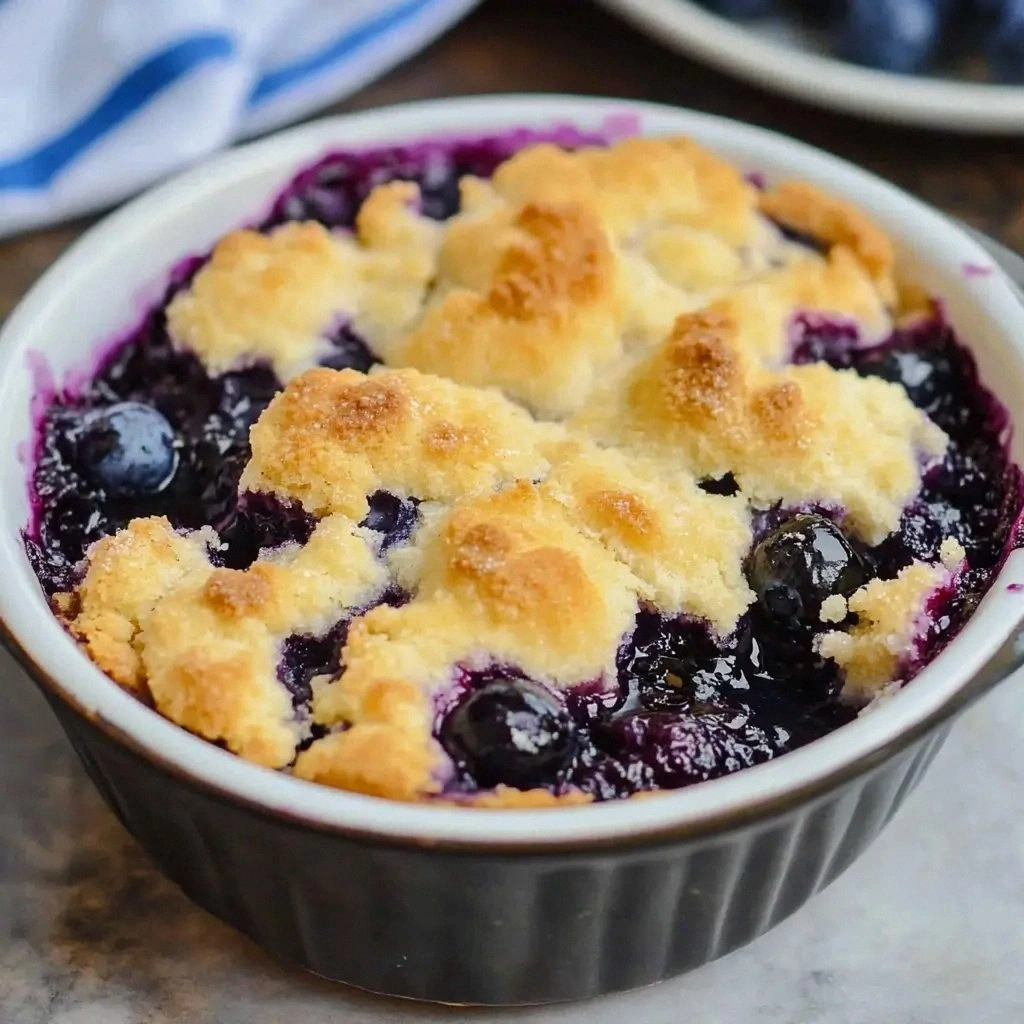
Picture this: a golden, buttery topping that crackles just enough to reveal a caramelized sugar ring, while the blueberries burst with tartness that brightens every bite. The batter is light and airy, yet the crust stays crisp, giving you that perfect contrast between soft filling and crunchy edges. I dare you to taste this and not go back for seconds—trust me, you’ll be begging for more. Most recipes get this completely wrong, either leaving the topping too soggy or the filling under‑cooked. Here’s what actually works: a simple technique that locks in moisture without compromising texture. And when you pull it out of the oven, the kitchen smells like summer in a glass bowl, making everyone in the house line up for a spoonful.
I’ll be honest—when I first tried this, I ate half the batch before anyone else even had a chance to see it. That’s how good it is. The secret isn’t in the ingredients, which are all standard pantry items, but in the balance and timing that make each bite a revelation. This version is hands down the best cobbler you'll ever make at home because it eliminates the common pitfalls: uneven browning, soggy topping, and an over‑sweet, flat filling. It’s a recipe that feels like a warm hug, the kind of comfort food that turns a rainy afternoon into a celebration. By the end of this post, you’ll wonder how you ever made it any other way, and you’ll be ready to host the ultimate dessert gathering.
Let me walk you through every single step—by the end, you’ll wonder how you ever made it any other way. The journey starts with a simple prep, a few minutes of chopping and measuring, and ends with a plate that looks like it belongs in a food magazine. You’ll learn why each ingredient matters, how to tweak the texture, and how to avoid the usual cobbler catastrophes. The method is straightforward, yet the results are extraordinary, and I’ll share the insider tricks that elevate it from good to unforgettable. Stay with me here—this is worth it, and you’ll thank me later when your friends can’t stop raving about the blueberry burst.
What Makes This Version Stand Out
- Flavor: The combination of fresh blueberries and a hint of lemon zest creates a vibrant, tangy profile that cuts through the sweetness of the topping.
- Texture: The batter is light and airy, while the topping stays crisp—no soggy bottoms or chewy crumbs.
- Simplicity: Only twelve pantry staples and one fruit bag; no fancy ingredients or complex techniques.
- Uniqueness: A subtle splash of lemon juice and a pinch of baking soda give the cobbler an unexpected lift and brightness.
- Crowd Reaction: Guests rave about the balance of sweet, tart, and buttery, and the dish is a hit at any gathering.
- Ingredient Quality: Using high‑quality butter and fresh blueberries ensures a richer flavor and better texture.
- Cooking Method: The single‑bake approach saves time while delivering a professional result.
- Make‑Ahead Potential: You can assemble the cobbler up to an hour before baking, making it a stress‑free option for busy evenings.
Alright, let's break down exactly what goes into this masterpiece…
Inside the Ingredient List
The Flavor Base
All-purpose flour and baking powder form the structural backbone of the cobbler, giving it the lift it needs without making it too heavy. The 1/2 teaspoon of baking soda works in tandem with the lemon juice to create a gentle lift and a hint of fizz that brightens the overall flavor profile. If you skip the baking soda, the batter will be denser and the blueberries may not rise as much, resulting in a flatter, less satisfying bite.
The Sweetness Layer
Granulated sugar and brown sugar are the sweeteners that caramelize into a golden crust. The brown sugar’s molasses content adds depth, while the granulated sugar provides a clean sweetness that balances the tartness of the blueberries. Swapping in honey or maple syrup can work, but expect a different texture and a more pronounced flavor.
The Texture Crew
Butter is the secret weapon for that buttery, flaky topping. Softened butter blends with the flour to create a crumbly texture that melts in the mouth. If you’re in a hurry, cold butter can be used, but the result will be slightly more crumbly and less cohesive. The milk keeps the batter moist and helps the flour hydrate fully.
The Unexpected Star
Blueberries are the star of the show—fresh, juicy, and bursting with natural sweetness. If fresh blueberries are out of season, frozen ones work just fine, but thaw them first to avoid excess moisture. A tablespoon of lemon juice and a teaspoon of zest elevate the fruit’s natural tartness, giving the cobbler a bright, citrusy finish that keeps the palate refreshed.
Everything's prepped? Good. Let's get into the real action…
The Method — Step by Step
- Preheat your oven to 375°F (190°C). Line a 9-inch square baking dish with parchment paper, leaving an overhang on two sides for easy removal. This step ensures an even bake and a clean release. The scent of preheating butter will already start to tease your senses.
- In a medium bowl, whisk together the flour, baking powder, baking soda, and salt. The dry mix should feel light and airy. If you’re feeling adventurous, sprinkle in a pinch of sea salt for a subtle savory contrast. This mixture is the foundation that holds the cobbler together.
- In a separate bowl, combine the granulated sugar, brown sugar, and melted butter. Stir until the sugars dissolve and the mixture is smooth. The butter’s fat content is key to creating that flaky, buttery topping. The mixture should have a slightly thick, syrupy consistency.
- Add the milk and vanilla extract to the butter-sugar blend, whisking until fully incorporated. The milk hydrates the dry mix, while the vanilla adds a subtle depth. This liquid mixture should be glossy, indicating that the fats and sugars are fully emulsified.
- Fold in the dry ingredients to the wet mixture, stirring just until the batter is moistened. Over‑mixing can develop gluten, resulting in a tougher texture. The batter should be thick enough to hold its shape when spooned.
- Gently fold in the blueberries, lemon zest, and lemon juice. The blueberries should be evenly distributed, and the lemon will give a bright, citrusy note. If you prefer a more pronounced tartness, add a splash of lemon juice to taste.
- Transfer the batter to the prepared baking dish, spreading it into an even layer. The batter’s thickness should be about 1.5 inches, ensuring a good rise and a crisp crust. The batter should smell slightly sweet and buttery.
- Bake for 30 minutes, or until the top is golden brown and a toothpick inserted near the center comes out clean. The edges should pull away slightly from the pan. If you notice the top browning too quickly, tent the dish with foil to prevent burning.
- Remove the cobbler from the oven and let it rest for 10 minutes before serving. This rest period allows the juices to redistribute, ensuring every bite is juicy and flavorful. The aroma at this point is irresistible—so strong you’ll want to take a second bite.
That's it—you did it. But hold on, I've got a few more tricks that'll take this to another level…
Insider Tricks for Flawless Results
The Temperature Rule Nobody Follows
Many bakers think higher temperatures always mean a crisper crust, but the truth is a steady 375°F (190°C) works best for this cobbler. A hotter oven can cause the top to brown too quickly while the center remains under‑cooked. I’ve tried 400°F once, and the result was a burnt exterior with a soggy interior. Keep the temperature consistent and use the toothpick test to gauge doneness.
Why Your Nose Knows Best
When the cobbler is baking, the smell of caramelizing sugar will give you a clue about the perfect finish. If you notice a strong, sweet aroma, the crust is ready. If the scent is more buttery and less sweet, give it a few more minutes. Your nose is a reliable gauge for doneness—trust it.
The 5-Minute Rest That Changes Everything
Letting the cobbler rest for 10 minutes after baking is crucial. The rest period allows the juices to redistribute, preventing a dry center. I once served a cobbler immediately, and it tasted watery and uneven. The 10‑minute rest gives the flavors time to marry, resulting in a harmonious bite.
Add a Splash of Water Before Reheating
If you need to reheat leftover cobbler, add a teaspoon of water to the bottom of the dish before microwaving. This steams the batter back to life, keeping it moist and preventing it from drying out. Microwave on medium power for 30 seconds, then let it sit for another minute.
Serve With Vanilla Ice Cream for Extra Bliss
A scoop of vanilla ice cream on top of a warm cobbler creates a contrast of temperatures and textures that’s pure heaven. The ice cream melts into a silky sauce that mingles with the blueberry juice, creating an indulgent experience. This classic pairing is a crowd‑pleaser at any gathering.
Creative Twists and Variations
This recipe is a playground. Here are some of my favorite ways to switch things up:
Tropical Twist
Swap the blueberries for a mix of diced mango and pineapple. Add a pinch of ground ginger to give the topping a subtle spice. The result is a sweet, tangy, and slightly spicy dessert that feels like a vacation.
Chocolate Lover’s Delight
Fold in a tablespoon of cocoa powder into the batter for a chocolatey crust. Sprinkle dark chocolate chips on top before baking. The chocolate adds depth and pairs beautifully with the blueberries.
Nutty Crunch
Stir in 1/4 cup chopped pecans or walnuts into the batter. The nuts provide a pleasant crunch and a nutty flavor that complements the fruit. Toast the nuts lightly before adding for extra aroma.
Spiced Autumn
Add 1/2 teaspoon cinnamon and a pinch of nutmeg to the dry mix. Use apples or pears instead of blueberries for a seasonal twist. The warm spices create a comforting, fall‑season dessert.
Low‑Sugar Option
Replace the granulated sugar with a sugar substitute like stevia or erythritol. Keep the brown sugar for flavor. The result is a lower‑calorie cobbler that still satisfies your sweet tooth.
Storing and Bringing It Back to Life
Fridge Storage
Store leftovers in an airtight container in the refrigerator for up to 3 days. The cobbler will stay moist and flavorful because the butter and sugar help preserve moisture. When ready to serve, let it sit at room temperature for 10 minutes to soften slightly.
Freezer Friendly
Wrap the cobbler tightly in plastic wrap and then place it in a freezer bag. It will keep for up to 2 weeks. When you’re ready to enjoy, thaw overnight in the refrigerator, then warm in the oven at 350°F (175°C) for 10 minutes.
Best Reheating Method
Add a tiny splash of water to the bottom of the dish before microwaving. This steams the batter back to perfection, keeping it moist and preventing it from drying out. Microwave on medium power for 30 seconds, then let it sit for another minute.