I remember that night like it was yesterday—my kitchen was a battlefield, a pot of mashed potatoes had turned into a sticky, unmanageable mess, and my friend dared me to turn the disaster into a dish that would make everyone go back for seconds. The air smelled of buttery potatoes and a hint of something sweet, and I could hear the clatter of utensils as I tried to salvage what was left. That moment, that desperate scramble, was the spark that lit the fire for what would become the most unforgettable mashed potato cakes you’ll ever taste. I’ll be honest—I ate half the batch before anyone else got a bite, and it was the kind of guilty pleasure that makes you smile even when you’re in the middle of a mess. If you’ve ever found yourself staring at leftover potatoes and wondering what to do, you’re not alone, and I’ve got the fix that turns that “what now?” into a delicious “what next?”
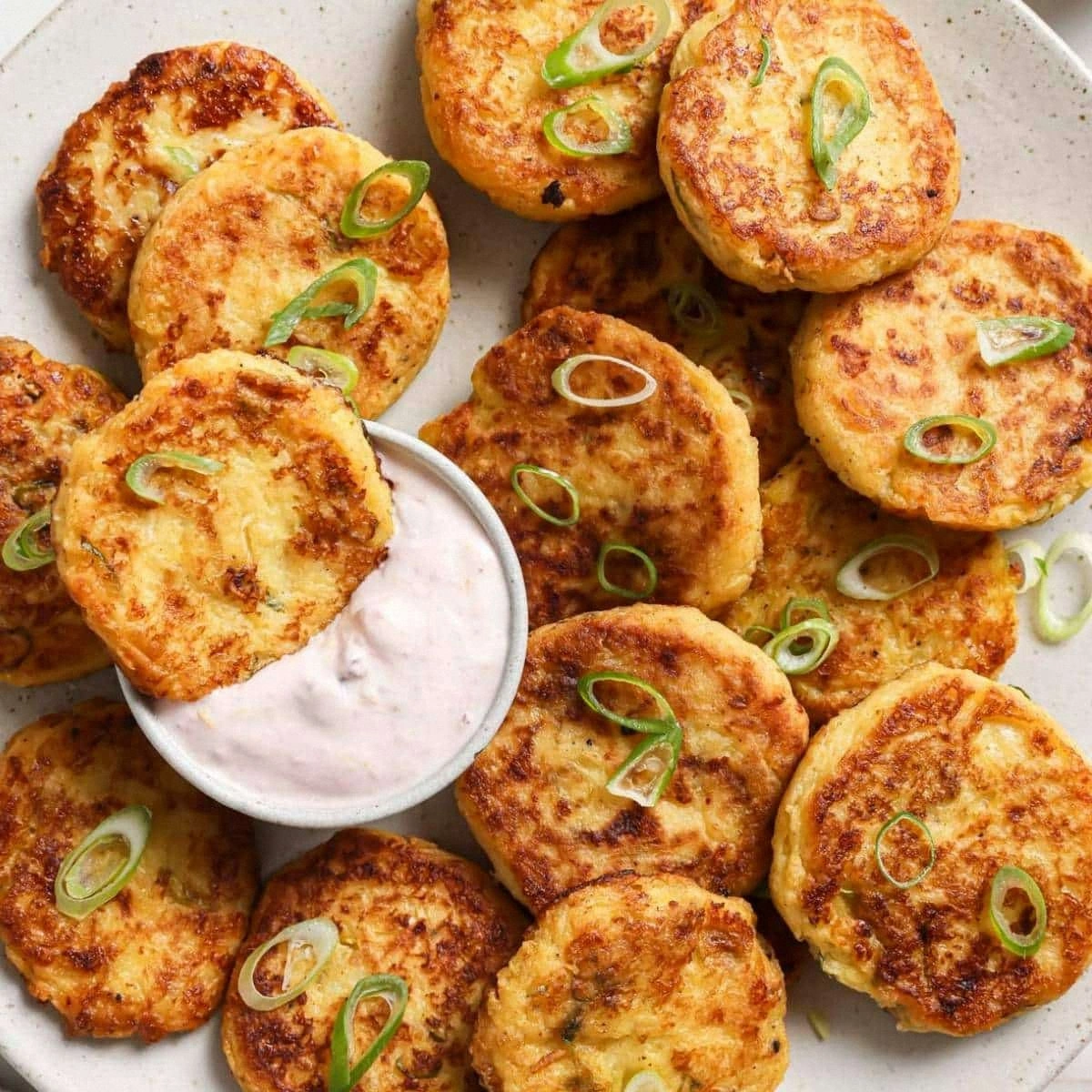
Picture yourself pulling these golden cakes out of the oven, the kitchen filling with a buttery, cheesy aroma that makes the whole house feel like a cozy, edible hug. The first bite is a crispy, caramelized crust that cracks like thin ice, revealing a tender, cloud‑soft interior that melts in your mouth. That sizzle when it hits the pan? Absolute perfection. And the moment you taste that tangy crème fraîche and the subtle pop of orange zest, you’ll swear you’ve found a new favorite comfort food. I dare you to taste this and not go back for seconds, because once you try it, you’ll never settle for bland mashed potatoes again.
What makes these cakes truly special is that they’re built around a simple idea: repurpose your leftover mash into a crisp, flavorful star that can be served as an appetizer, a side, or even a breakfast treat. The recipe’s secret lies in the balance of textures—crispy edges that shatter like thin ice, a gooey center that oozes cheese and a hint of citrus, and a buttery coating that locks in moisture. Most recipes get this completely wrong, layering too many flavors or using the wrong fats, but here every ingredient is chosen to complement the others in a harmonious dance. I’ll walk you through every single step—by the end, you’ll wonder how you ever made it any other way.
I’m not just talking about the taste; I’m talking about the experience. Imagine the crunch of the first bite, the warm, savory swirl of cheese, the subtle sweetness from cranberry sauce, and the bright, citrusy finish that lingers on your palate. That’s the kind of sensory snapshot that turns a humble side dish into a showstopper. The technique is simple yet game‑changing: bind the mash with flour and egg, form it into cakes, then pan‑fry until golden before finishing with a dollop of crème fraîche and a drizzle of olive oil. The result is a dish that feels indulgent yet comforting, perfect for any occasion. Stay with me here—this is worth it.
Now, let’s break down exactly what goes into this masterpiece. The key is to treat each component as a character in a story, giving it a role that enhances the overall narrative. From the humble potato to the bright orange zest, every element has a purpose, a flavor, and a texture that contributes to the final experience. And trust me, the moment you see how each ingredient interacts, you’ll understand why this version is hands down the best you’ll ever make at home. Okay, ready for the game‑changer?
What Makes This Version Stand Out
- Flavor: The subtle sweetness of leftover cranberry sauce balances the savory mash, creating a complex taste that feels both nostalgic and fresh.
- Texture: Crispy golden edges give way to a melt‑in‑your‑mouth center, a contrast that satisfies both crunchy and soft cravings.
- Ease: The recipe uses pantry staples and leftover ingredients, so you’re never stuck hunting for exotic items.
- Versatility: Serve as an appetizer, a side dish, or even a breakfast item—this cake adapts to any meal.
- Visual Appeal: The golden crust and bright orange zest make it Instagram‑ready, turning a simple dish into a showstopper.
- Make‑Ahead Friendly: Form the cakes ahead of time, refrigerate, then pan‑fry when ready—perfect for busy evenings.
- Crowd‑Pleaser: Even the pickiest eaters will be drawn in by the crispy crust and cheesy interior.
- Health‑Conscious Twist: Using olive oil instead of butter for the final sear keeps the dish lighter without sacrificing flavor.
Inside the Ingredient List
The Flavor Base
Cold leftover mashed potatoes are the foundation of this dish. They carry a subtle, buttery flavor that is amplified by the addition of crème fraîche and orange zest. Skipping them would leave the cakes lacking depth, turning them into plain, bland patties. When selecting mashed potatoes, choose those that are smooth and creamy; a slightly chunky mash will create a less cohesive cake.
The Texture Crew
All‑purpose flour and a single egg bind the mash, giving the cakes structure and a crisp exterior. The flour absorbs moisture, preventing the cakes from falling apart during frying. If you’re allergic to eggs, a tablespoon of plain yogurt can substitute, though the texture will be slightly softer.
The Unexpected Star
Crème fraîche adds a silky tang that cuts through the richness of the cheese and butter. Its high fat content creates a luscious sauce that coats the cakes like velvet. If you don’t have crème fraîche, Greek yogurt or sour cream can work, but be sure to whisk it into a smooth consistency before use.
The Final Flourish
Olive oil and unsalted butter provide the final crunch, while the orange zest and cranberry sauce introduce brightness and a hint of sweetness. Together, they elevate the dish from simple comfort food to a sophisticated bite. Don’t skip the zest; it’s the secret that keeps the flavor profile fresh and lively.
Everything’s prepped? Good. Let’s get into the real action…
The Method — Step by Step
- First, combine the cold mashed potatoes, shredded cheese, scallions, and cranberry sauce in a large bowl. Stir until everything is evenly distributed, allowing the flavors to mingle. The mixture should be thick yet pliable—if it’s too dry, add a splash of milk or water. This step is where the base flavor starts to develop, so give it a few minutes to settle. I’ve found that letting the mash rest for 10 minutes before shaping helps the cakes hold together better.
- Next, whisk the egg and flour together in a separate bowl until smooth. This mixture will act as the binder and create a crisp crust. Pour the egg‑flour mixture into the potato mixture, stirring continuously to avoid lumps. The batter should have a thick, dough‑like consistency. If it feels too runny, add a little more flour, one tablespoon at a time.
- Season the batter with kosher salt, black pepper, orange zest, and a pinch of salt. These seasonings are the backbone of the flavor profile—don’t be shy, they’re the difference between good and great. Mix thoroughly so that every bite carries the same balanced taste. This is the moment of truth: the aroma should be inviting and slightly citrusy.
- Heat a large skillet over medium heat and add the tablespoon of unsalted butter. Let it melt and foam, then swirl the skillet to coat the bottom. The butter should sizzle without smoking. This step is crucial for achieving that golden, caramelized crust. I always keep an eye on the temperature—too hot, and the outside burns before the inside cooks.
- Form the batter into 1‑inch thick cakes, about 4 to 5 per batch. Gently press each cake into the skillet, leaving enough space so they don’t touch. The edges should start to set within the first minute, indicating that the heat is just right. Flip the cakes once the bottom is golden brown and the top starts to firm up. This is where the texture shines—crisp on the outside, soft on the inside.
- Reduce the heat to medium‑low and add the tablespoon of olive oil. This oil prevents sticking and adds a subtle nutty flavor. Cook the cakes for another 3 to 4 minutes per side, or until they’re golden and crispy. The interior should feel warm and slightly gooey, with the cheese melting into a creamy center. Watch for any signs of over‑cooking; the goal is a crisp exterior without a burnt taste.
- While the cakes finish cooking, whisk the crème fraîche until it’s smooth and slightly thickened. This sauce will be the finishing touch that adds richness and a silky texture to each bite. The crème fraîche should coat the cakes like a velvety drizzle, contrasting with the crunchy crust. A small bowl of the sauce can be served on the side for those who like extra creaminess.
- Serve the cakes hot, topped with a dollop of crème fraîche, a sprinkle of orange zest, and a drizzle of olive oil. The combination of the bright zest and the rich sauce creates a flavor explosion that’s hard to resist. Plate them on a warm dish to keep them crisp. This final plating step is where you can add a personal touch—perhaps a few fresh herbs or a sprinkle of extra cheese.
- If you’re making a large batch, keep the cooked cakes warm in a low‑heat oven (200°F) until ready to serve. This will preserve the crispness and prevent the cakes from becoming soggy. Remember, the key to success is timing—serve them while they’re still hot and fresh.
- Enjoy your masterpiece with a side of fresh salad or a dipping sauce of your choice. The contrast between the warm, savory cakes and a cool, crisp salad makes for a balanced meal. I’ve found that a simple lemon vinaigrette works wonders, cutting through the richness with a bright citrus note.
That’s it—you did it. But hold on, I’ve got a few more tricks that’ll take this to another level…
Insider Tricks for Flawless Results
The Temperature Rule Nobody Follows
The skillet’s temperature is the secret sauce. A medium heat allows the butter to foam and the crust to brown without burning. If the heat is too high, you’ll get a burnt exterior and an undercooked center. I’ve found that a thermometer reading around 350°F is ideal for this recipe. Keep the heat consistent throughout the cooking process for the best texture.
Why Your Nose Knows Best
Before you flip the cakes, let your nose do the work. When the aroma turns to a sweet, nutty scent, the crust is ready to flip. The scent is a reliable indicator of doneness, and it saves you from guessing based on color alone. Trust your senses; the kitchen is full of subtle cues that guide you to perfection.
The 5‑Minute Rest That Changes Everything
After cooking, let the cakes rest on a wire rack for five minutes. This rest period allows the steam to escape, keeping the exterior crisp. It also lets the interior settle, so the cheese doesn’t ooze out immediately. A quick rest also makes the cakes easier to plate without breaking.
The Butter‑Oil Combo
Using both butter and olive oil gives you the best of both worlds—richness from the butter and a clean, nutty finish from the olive oil. The butter provides a deep flavor, while the olive oil adds a subtle peppery note that brightens the dish. This combination is a win‑win for taste and texture.
The Crème Fraîche Trick
Whisk the crème fraîche just before serving to keep it smooth and silky. If you let it sit, it can separate and become grainy. A quick whisk restores its velvety texture and ensures each bite is creamy. This small step makes a big difference in the overall mouthfeel.
The Orange Zest Secret
The zest is more than a garnish—it’s a flavor booster. The essential oils in the zest carry a bright, citrusy punch that cuts through the richness. If you’re short on zest, a teaspoon of orange juice can work, but it won’t have the same aromatic intensity. Keep the zest fresh by grating just before you add it.
Creative Twists and Variations
This recipe is a playground. Here are some of my favorite ways to switch things up:
Mediterranean Twist
Swap the cheddar for feta and add chopped kalamata olives to the batter. Finish with a drizzle of extra‑virgin olive oil and a sprinkle of oregano. This version brings a salty, tangy Mediterranean vibe that pairs well with a Greek salad.
Spicy Cajun Kick
Stir in a tablespoon of Cajun seasoning and replace the scallions with diced bell peppers. Top the cakes with a dollop of spicy remoulade. The heat and bold spices transform the dish into a bold, Southern‑inspired bite.
Veggie‑Loaded Boost
Add finely chopped spinach and shredded carrot to the mash for extra color and nutrients. Replace the cranberry sauce with sun‑dried tomato paste for a sweet‑savory twist. This version turns the cakes into a wholesome, veggie‑filled comfort food.
Cheese Lover’s Dream
Use a blend of cheddar, Gruyère, and mozzarella for a gooey, melty center. Sprinkle extra cheese on top before the final sear for a golden, bubbly crust. The cheese overload is a crowd‑pleaser for any cheese enthusiast.
Asian Fusion
Incorporate a tablespoon of soy sauce and a pinch of five‑spice powder into the batter. Finish with a drizzle of sesame oil and a sprinkle of toasted sesame seeds. The umami and aromatic spices bring an Asian flair to the classic potato cake.
Herb Garden Edition
Add fresh chopped rosemary, thyme, and parsley to the mix. Replace the orange zest with lemon zest for a bright, herbaceous finish. This version is perfect for a spring or summer gathering, offering a fresh, garden‑to‑table experience.
Storing and Bringing It Back to Life
Fridge Storage
Store leftover cakes in an airtight container in the refrigerator for up to 3 days. The crust may soften slightly, so reheat before serving to restore crispness. Keep them on a wire rack to allow airflow and prevent sogginess.
Freezer Friendly
Freeze the cakes on a parchment‑lined tray until solid, then transfer to a freezer bag. They’ll keep well for up to 2 months. When ready to reheat, bake at 350°F for 10 minutes or microwave for 30 seconds, then finish in a hot skillet to crisp the exterior.
Best Reheating Method
The best way to revive the cakes is to pan‑fry them in a little olive oil until golden. Add a splash of water or broth to the pan, cover, and let steam for 2 minutes—this steams the interior while keeping the crust crisp. Finish with a quick swirl of crème fraîche for that original silky finish.