I was standing in a kitchen that smelled like burnt toast and regret, my phone buzzing with a frantic text from my best friend: “We need a dessert that screams summer, and fast.” I stared at the fridge, saw a half‑sunk orange, and thought, “Why not turn that citrus into a creamy, no‑bake delight?” That moment of culinary crisis birthed the Easy No‑Bake Orange Creamsicle, a recipe that defies the idea that desserts need a stove or a mixer. The first time I tasted it, the bright, tangy orange hit my palate like a sunrise, followed by a silky cream that melted in my mouth like a warm hug. The texture is a perfect balance—soft enough to dissolve instantly yet firm enough to hold its shape as a truffle. The flavor is unmistakable: the zesty orange cuts through the richness, creating a harmony that feels like a vacation on a spoon. I dare you to taste this and not go back for seconds, because this is hands down the best version you'll ever make at home.
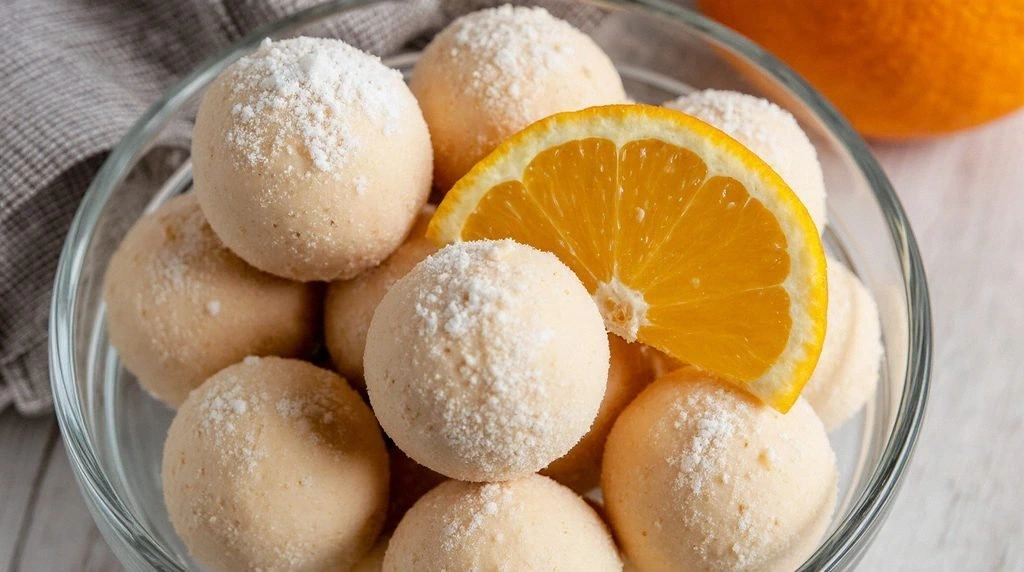
Picture yourself pulling these truffles out of the refrigerator, the whole kitchen smelling incredible, as the orange aroma mingles with vanilla and a hint of buttery sweetness. You’ll see a glossy surface that glistens in the light, a subtle swirl of orange zest visible on the top. As you bite, the first burst is citrus, followed by a creamy cascade that coats your tongue like velvet. If you’ve ever struggled with a dessert that falls flat or tastes too sweet, you’re not alone—and I’ve got the fix. This recipe is a playground for your taste buds, a perfect blend of simplicity and decadence that will leave your guests asking for the recipe. Stay with me here—this is worth it.
What makes this version stand out is not just the flavor, but the entire experience from prep to plating. I’ve taken the classic creamsicle concept and removed the need for a stove, letting the ingredients do the heavy lifting. The result is a dessert that can be assembled in minutes, yet feels indulgent enough for a special occasion. It’s a testament to how thoughtful ingredient choices can elevate a simple idea into something memorable. And if you’re a fan of the original creamsicle ice cream, you’ll find this truffle version hits the same nostalgic notes, but with a refined, elegant twist. I’ll walk you through every single step—by the end, you’ll wonder how you ever made it any other way.
What Makes This Version Stand Out
- Flavor: The bright citrus notes of fresh orange juice and zest cut through the richness of cream and butter, creating a balanced taste that’s both sweet and tangy.
- Texture: The truffles hold a firm yet melt‑in‑your‑mouth consistency, thanks to the careful balance of cream, sugar, and a touch of cornstarch.
- Convenience: No heat required, no fancy equipment—just a bowl, a spoon, and a little patience.
- Presentation: Rolled in graham cracker crumbs, each truffle looks like a bite‑size piece of a creamy orange candy.
- Versatility: Works as a party dessert, a quick snack, or a dessert for a special dinner.
- Ingredient Quality: Fresh, high‑quality oranges and real butter make all the difference.
- Make‑ahead Potential: These truffles can be prepared up to 48 hours in advance and stored in the fridge, making them perfect for last‑minute gatherings.
- Audience Appeal: The combination of citrus and cream is a crowd‑pleaser for both kids and adults.
Alright, let’s break down exactly what goes into this masterpiece…
Inside the Ingredient List
The Flavor Base
The foundation of this truffle is a silky cream that carries the orange flavor. Heavy cream provides a rich mouthfeel, while powdered sugar sweetens it without the need for a baking step. Orange juice adds acidity, brightening the overall taste and preventing the sweetness from becoming cloying. Vanilla extract deepens the flavor profile, creating a warm undertone that balances the citrus sharpness. If you’re aiming for a dairy‑free version, coconut cream works surprisingly well, but keep in mind the texture will shift slightly.
The Texture Crew
Cornstarch is the unsung hero that gives the truffles their firm yet melt‑in‑your‑mouth quality. When combined with the cream, it thickens the mixture just enough to hold its shape. Butter, on the other hand, adds a glossy sheen and a subtle buttery undertone that complements the orange. The graham cracker crumbs are the final touch, providing a crunchy contrast that breaks the creamy barrier. A pinch of salt is essential—it elevates the sweetness and sharpens the citrus notes, making each bite more complex.
The Unexpected Star
Chocolate chips may seem out of place in an orange truffle, but they add a hint of bittersweetness that deepens the flavor profile. When melted and folded into the mixture, they create a subtle swirl of chocolate that is both visual and gustatory. If you’re looking for a different twist, try substituting dark chocolate chips for a richer, less sweet finish. The key is to let the chocolate melt completely, so it blends smoothly without clumping. A small amount of sea salt sprinkled on top after rolling can enhance the chocolate’s depth.
The Final Flourish
The final touch is the coating of graham cracker crumbs. They not only add texture but also a nutty flavor that contrasts with the citrus. To achieve an even coating, roll each truffle in a shallow dish of crumbs, gently pressing to adhere. For a more refined look, dust the finished truffles with a light dusting of powdered sugar. This step also helps to keep the truffles firm during storage. If you want a colorful twist, consider using crushed pistachios or almond flakes instead of graham crackers.
Everything’s prepped? Good. Let’s get into the real action…
The Method — Step by Step
- Start by zesting two fresh oranges, making sure to avoid the bitter white pith. The zest is the star of the flavor profile, so don’t skimp. Place the zest in a small bowl and set aside. This step is crucial for the aromatic punch that will carry through the entire truffle. If you’re in a hurry, a citrus zester will make the job a breeze.
- In a medium saucepan, melt the butter over medium heat until it turns a light golden color. The butter should not brown; if it starts to sizzle, reduce the heat immediately. Stir in the orange zest and let it infuse for about two minutes, releasing its essential oils. This is the moment of truth—watch the aroma rise. The mixture should smell fragrant and slightly buttery.
- Add the orange juice to the butter mixture, stirring constantly. The liquid should swirl around the zest, creating a glossy, orange‑colored liquid. Let it simmer for one minute to allow the flavors to meld. If you want a more intense citrus kick, add a splash of fresh lemon juice.
- In a separate bowl, whisk the heavy cream, powdered sugar, vanilla extract, and a pinch of salt until the sugar dissolves and the mixture becomes silky. The consistency should be thick enough to hold its shape but still pourable. This is where the cream’s richness comes into play. If the mixture is too thin, add a tablespoon of cornstarch dissolved in a little water.
- Pour the butter‑orange mixture into the cream mixture, whisking vigorously to combine. The mixture should thicken instantly, creating a smooth, glossy batter. This step requires patience—keep whisking until the mixture is homogeneous. If you notice any lumps, strain the mixture through a fine sieve.
- Fold in the chocolate chips, ensuring they’re fully incorporated. The chocolate should melt into the batter, creating a subtle swirl of deep color. This step is optional but adds a delightful contrast to the orange. If you prefer a dairy‑free version, substitute dark chocolate chips for a richer flavor. Be careful not to overheat the mixture, or the chocolate will seize.
- Allow the mixture to cool to room temperature, then refrigerate for at least 30 minutes, or until it’s firm enough to scoop. This chilling step is essential for the truffles to hold their shape. While it’s cooling, prepare a shallow dish of graham cracker crumbs for coating. Keep the crumbs dry; if they get soggy, the truffles will lose their crunch.
- Using a small cookie scoop or a spoon, portion out the mixture into bite‑sized balls. Roll each ball between your palms to smooth the surface. Then roll the balls in the graham cracker crumbs until fully coated. The coating should be even, with no bare spots. Place the truffles on a parchment‑lined tray.
- Refrigerate the coated truffles for at least 1 hour, or until they’re firm. If you’re planning ahead, you can store them in an airtight container for up to 48 hours. When you’re ready to serve, let them sit at room temperature for a few minutes so they soften slightly. This will make them easier to bite and enhance the creamy texture.
- Serve the truffles on a small plate with a dusting of powdered sugar or a drizzle of melted chocolate for an extra touch of elegance. The contrast of the orange, cream, and chocolate is a feast for both the eyes and the palate. Enjoy the moment—this dessert is a celebration of simple, yet refined flavors.
That’s it — you did it. But hold on, I’ve got a few more tricks that will take this to another level…
Insider Tricks for Flawless Results
The Temperature Rule Nobody Follows
Many people think the mixture can be left at room temperature for too long before it starts to set. The truth is, the butter and cream need to be at the right temperature to prevent separation. Keep the mixture chilled until it’s just cool enough to handle, then let it sit for a few minutes before rolling. If it’s too warm, the truffles will be greasy; if it’s too cold, they won’t hold shape.
Why Your Nose Knows Best
When you’re mixing the butter and orange zest, you’ll notice a distinct aroma that signals the right moment to add the rest of the ingredients. If the scent is too sharp, the citrus may overpower the cream; if it’s faint, the orange flavor will be muted. Trust your nose to guide you through the balancing act. I once skipped this step and ended up with a truffle that tasted like a citrus smoothie instead of a creamy dessert.
The 5‑Minute Rest That Changes Everything
After folding in the chocolate chips, let the mixture rest for exactly five minutes before chilling. This brief pause allows the chocolate to fully melt and integrate, resulting in a smoother texture. It also helps the flavors to meld, giving the truffles a more cohesive taste. If you rush this step, you might end up with a gritty texture.
The Secret to a Perfect Coating
The graham cracker crumbs should be dry and slightly toasted to provide a crisp bite. If you toast them for a minute on low heat, the crumbs will develop a deeper flavor that complements the orange. Shake off any excess crumbs before coating to avoid a gummy surface. A light dusting of powdered sugar after coating adds a subtle sweetness that balances the citrus.
Storing for Long‑Term Freshness
If you need to keep the truffles for more than 48 hours, store them in an airtight container in the refrigerator. The cool environment preserves the creamy texture. For freezer storage, wrap each truffle individually in plastic wrap, then place them in a freezer bag. Thaw them in the fridge overnight before serving. This method keeps them firm and fresh.
Creative Twists and Variations
This recipe is a playground. Here are some of my favorite ways to switch things up:
Minty Orange Delight
Add a teaspoon of fresh mint leaves, finely chopped, to the cream mixture for a refreshing twist. The mint pairs wonderfully with orange, giving the truffle a cool aftertaste. This version is perfect for a summer brunch or a refreshing dessert.
Caramelized Orange Crunch
Replace graham crackers with crushed salted caramel cookies for a sweet‑savory crunch. The caramel’s buttery sweetness complements the citrus, creating a complex flavor profile. Sprinkle a pinch of sea salt on top for an extra layer of flavor.
Almond Butter Bliss
Swap the butter with almond butter for a nutty undertone. The almond butter also adds a subtle sweetness that pairs well with orange. This variation is dairy‑free and has a richer, more complex taste.
Spiced Orange Surprise
Add a pinch of ground cinnamon and a dash of cayenne pepper to the cream mixture. The warmth of cinnamon and the heat of cayenne create a spicy kick that contrasts beautifully with the citrus. This is a great option for those who enjoy a bit of spice in their desserts.
Chocolate‑Orange Fusion
Use dark chocolate chips instead of milk chocolate for a richer, more bittersweet flavor. The dark chocolate’s slight bitterness balances the bright orange, creating a sophisticated dessert. Top the truffles with a drizzle of melted dark chocolate for a decadent finish.
Lemon‑Orange Twist
Replace half of the orange juice with fresh lemon juice for a sharper, more tart flavor. The lemon adds brightness and complexity, making the truffle more refreshing. This variation is especially good for a light, palate‑cleansing dessert.
Storing and Bringing It Back to Life
Fridge Storage
Store the truffles in an airtight container in the refrigerator for up to 48 hours. Keep them on a paper towel to absorb any excess moisture. The truffles will stay firm and fresh, ready to serve at a moment’s notice.
Freezer Friendly
Wrap each truffle individually in plastic wrap and place them in a freezer bag. Freeze for up to 2 weeks. When you’re ready to serve, thaw them in the fridge overnight. The texture remains smooth and creamy.
Best Reheating Method
If the truffles have become too firm after refrigeration, let them sit at room temperature for 10–15 minutes before serving. For a quick warm-up, place them in a microwave on low power for 10 seconds; this will soften them without melting the coating. A tiny splash of water before reheating steams the truffles back to perfection.