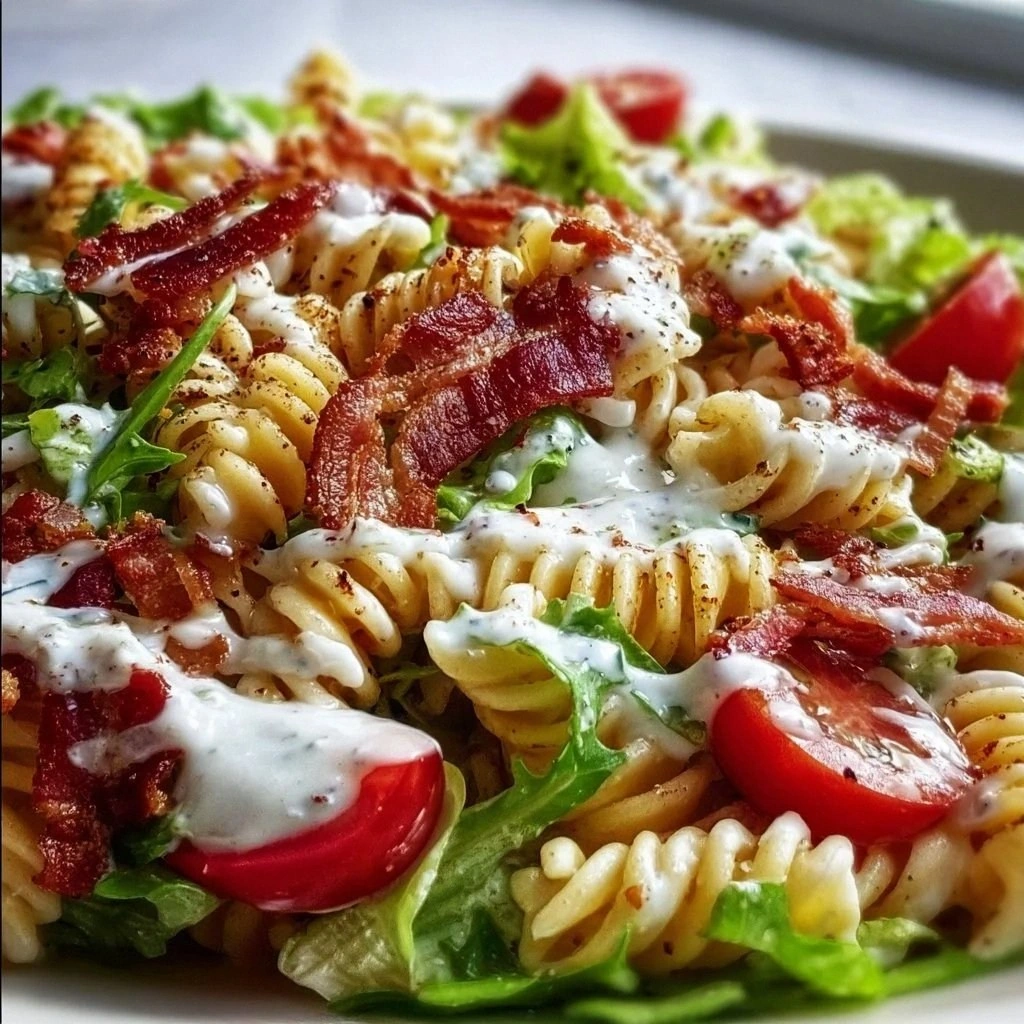
I was halfway through a frantic Sunday dinner, the kitchen smelling like burnt garlic and overcooked fish, when my friend dared me to create a dish that would make the entire family swoon. The challenge was simple yet daunting: turn plain cod fillets into a crispy, golden masterpiece that would have everyone begging for seconds. I stared at the fillets, feeling the weight of culinary expectation, and decided that the secret would lie in a perfect blend of garlic, parmesan, and a touch of magic. The moment the fish hit the hot pan, the sizzle echoed like applause, and I knew I was on the right track.
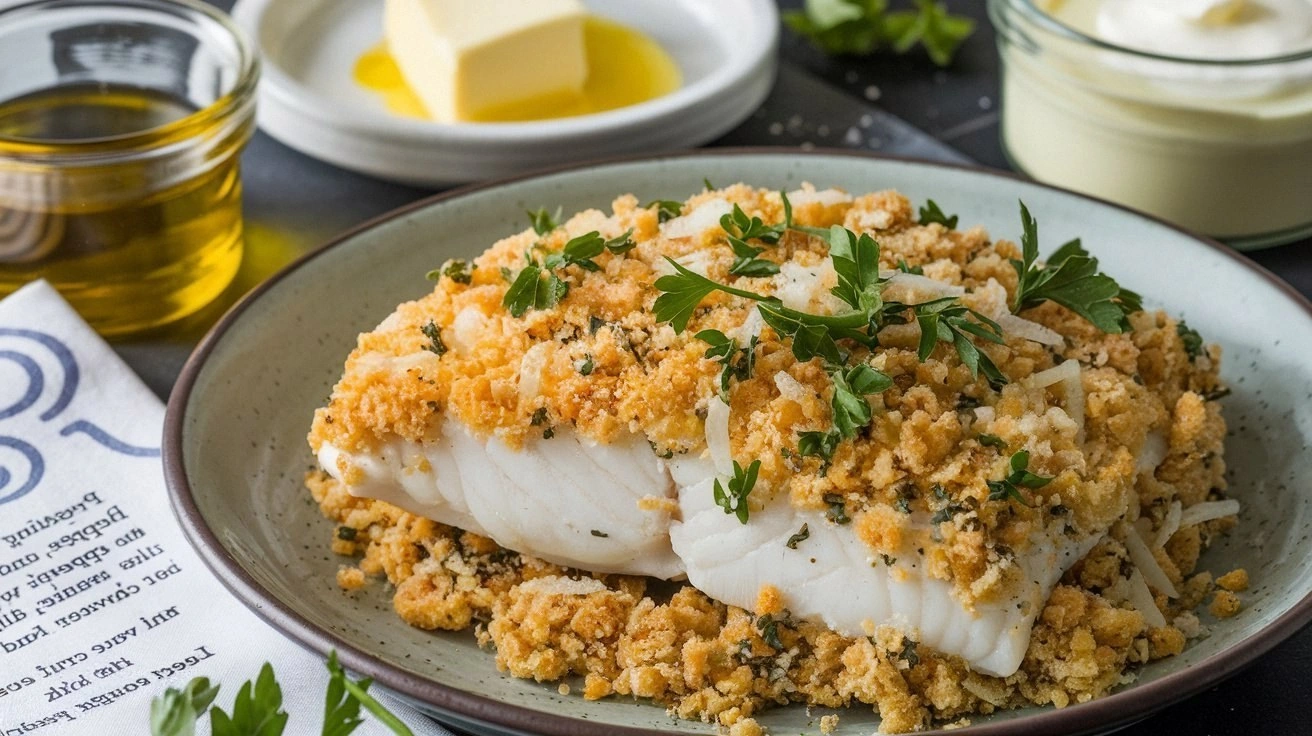
Picture the scene: a bright, sunlit kitchen, the air thick with the aroma of fresh herbs, the sound of a bubbling olive oil, and the faint whisper of a lemon zest dancing on the surface. The fillets, coated in a buttery breadcrumb crust, shimmered like tiny golden suns. Each bite released a burst of savory, garlicky flavor, followed by the creamy tang of parmesan that lingered on the palate. The texture was a delightful contrast—crisp edges that crackle, a tender interior that melts in your mouth, and a subtle, buttery finish that left you craving more.
What sets this version apart from the countless others you’ve seen is not just the flavor profile but the meticulous attention to detail. I’ve combined classic techniques with unexpected twists that elevate the dish to something truly extraordinary. From the way the breadcrumbs are seasoned to the precise timing of the pan-fry, every element is calibrated for maximum impact. And trust me, once you taste this, you’ll find yourself saying, “I dare you to taste this and not go back for seconds.”
Let me walk you through every single step—by the end, you’ll wonder how you ever made it any other way. The process is straightforward yet packed with subtle nuances that make all the difference. I’ll share the ingredient secrets, the exact temperatures, and the timing tricks that turn a simple fish dish into a culinary triumph. Ready to dive in? Let’s get started.
What Makes This Version Stand Out
- Flavor: The combination of fresh garlic, sharp parmesan, and a hint of lemon zest creates a layered taste that’s both robust and bright.
- Texture: The breadcrumb coating is light yet crunchy, achieving a golden finish that snaps like thin ice when you bite.
- Ease: Every step is designed to be quick and intuitive, making this dish a perfect go-to for busy weeknights.
- Versatility: Use any mild white fish, and you can swap in different herbs to suit your mood.
- Presentation: The vibrant golden crust and the subtle swirl of lemon zest make this dish look as good as it tastes.
- Crowd‑pleaser: Even the pickiest eaters will love the crispy texture and savory flavor—no one can resist a second helping.
- Quality: The recipe emphasizes fresh, high‑quality ingredients that bring out the best in each component.
- Make‑ahead: You can pre‑prepare the coating and store it, saving precious minutes when you’re ready to cook.
Alright, let's break down exactly what goes into this masterpiece. Understanding each component’s role will help you master the dish and adapt it to your own preferences.
Inside the Ingredient List
The Flavor Base
Garlic is the heart of this recipe, offering a pungent aroma that permeates the entire dish. Minced fresh garlic, rather than powdered, releases its oils slowly, giving the coating a lingering depth of flavor. If you skip garlic, you’ll lose that essential kick that makes the dish memorable.
Parmesan cheese brings umami and a subtle nutty sweetness that balances the sharpness of garlic. Grated fresh parmesan melts slightly during cooking, creating a silky coating that clings to the fish. A lower quality cheese can result in a bland, chalky finish, so choose a reputable brand.
Lemon zest adds a bright, citrusy lift that cuts through the richness of butter and olive oil. It also provides a subtle freshness that prevents the dish from feeling heavy. If you’re allergic to citrus, a splash of white wine can serve as an alternative acidifier.
The Texture Crew
All‑purpose flour acts as a binder, helping the breadcrumbs adhere to the fish. It also creates a light, dry surface that encourages even browning. Skipping flour can lead to a soggy coating that falls off during cooking.
Panko breadcrumbs give the dish its signature crunch. Their airy structure traps heat, producing a crisp exterior that snaps with each bite. If you’re avoiding gluten, opt for gluten‑free breadcrumbs; the texture will be slightly different but still delicious.
Eggs serve as a glue, binding the flour, breadcrumbs, and seasonings together. They also add moisture that keeps the fish tender. If you’re vegan, a splash of aquafaba can mimic the binding effect.
Butter and olive oil provide richness and help the coating brown beautifully. The butter adds a buttery sheen, while the olive oil ensures a steady, high‑heat cooking surface. A combination of both yields a balanced flavor profile.
The Unexpected Star
Paprika introduces a subtle smokiness that complements the garlic and parmesan. It also adds a splash of color, making the dish visually appealing. If you prefer a milder taste, reduce the paprika or omit it entirely.
Dried parsley offers a herbal note that brightens the dish without overpowering it. It also adds a touch of green color that makes the presentation more inviting. Fresh parsley can be used as a garnish for extra freshness.
The Final Flourish
Salt and pepper are essential for seasoning the fish and coating. They bring out the natural flavors of the fish and the other ingredients. Remember to season both the fish and the coating for balanced taste.
The fish itself is the canvas. Choose firm, flaky fillets like cod, tilapia, or halibut for the best results. Avoid delicate or oily fish that may break apart during cooking.
Everything's prepped? Good. Let's get into the real action.
The Method — Step by Step
- Start by patting the fish fillets dry with paper towels; moisture is the enemy of a crisp coating. Season each fillet generously with salt and pepper on both sides. This step ensures the coating adheres firmly and adds depth to the flavor. I swear, a dry surface is the secret to a perfectly golden crust.
- In a shallow dish, whisk the beaten eggs until frothy. This will act as the adhesive that binds the flour, breadcrumbs, and seasonings. Keep the bowl covered with plastic wrap to prevent the eggs from drying out while you work on the coating.
- Set up a breading station: one plate with flour, a second with the egg mixture, and a third with a blend of panko, grated parmesan, minced garlic, paprika, and dried parsley. The order matters—flour first, then egg, then breadcrumb mix—so each fillet is fully coated at every layer.
- Coat each fillet by first dredging it in flour, tapping off any excess, then dipping it into the egg, and finally rolling it in the breadcrumb mixture until fully covered. The double coating creates a thick, flavorful crust that stays intact during cooking. This is the moment of truth; watch the fillet transform into a golden masterpiece.
- Heat a large skillet over medium‑high heat. Add 2 tablespoons of olive oil and 2 tablespoons of butter. Once the butter foams and the oil shimmers, the pan is ready for the fish. The combination of butter and oil gives a rich flavor and prevents sticking.
- Place the fillets in the skillet, skin‑side down if applicable. Cook for 3–4 minutes on the first side until the coating turns golden brown and releases easily from the pan. Flip the fillets gently with a spatula and cook for an additional 2–3 minutes on the second side. The fish should be opaque and flaky when done.
- While the fish cooks, reduce the heat to medium and add a splash of water to the skillet. This creates a steam pocket that helps keep the fish moist and the coating crisp. The water should evaporate quickly, leaving a subtle sheen on the crust.
- Remove the fish from the skillet and place it on a plate lined with paper towels to drain excess oil. Let it rest for a minute; this allows the juices to redistribute and the crust to set. The final result should be a golden, crunchy exterior with a tender, buttery interior.
That's it — you did it. But hold on, I've got a few more tricks that'll take this to another level.
Insider Tricks for Flawless Results
The Temperature Rule Nobody Follows
Cooking at the right temperature is crucial for achieving a golden crust without overcooking the fish. Keep the skillet at medium‑high heat until the oil shimmers, then reduce to medium for the second side. If you’re using a cast‑iron pan, preheat it for at least 5 minutes to ensure even heat distribution. This trick prevents the coating from burning while keeping the fish tender.
Why Your Nose Knows Best
When the first golden crust forms, the aroma will tell you the fish is ready. A buttery, garlicky scent indicates the coating is crisping properly. Trust your senses; the moment the scent hits your nose, it’s time to flip. This intuitive cue saves you from overcooking and keeps the fish juicy.
The 5‑Minute Rest That Changes Everything
Letting the fish rest for 5 minutes after cooking allows the juices to redistribute, ensuring each bite is moist. During this short pause, the coating sets, becoming even crispier. I’ve seen people rush to plate the fish immediately, but that often leads to a soggy crust.
The Secret Butter Blend
Using a combination of butter and olive oil gives the coating a rich flavor while preventing sticking. Butter adds flavor and a glossy finish, while olive oil raises the smoke point. This blend ensures the coating browns beautifully without burning.
The Final Lemon Zest Finish
Sprinkling fresh lemon zest over the finished dish adds a bright, citrusy pop that cuts through the richness. It also provides a visual contrast that makes the dish more appealing. Use a microplane for the finest zest to avoid gritty bits.
The Quick Dip Trick
If you’re short on time, a quick dip in the breadcrumb mix after the first coat can create a thicker crust. This is especially useful for thicker fillets. Just remember to let the coating set for a minute before cooking.
These tips are not just fluff; they’re the difference between a good dish and a memorable one. Try them out and watch the transformation.
Creative Twists and Variations
This recipe is a playground. Here are some of my favorite ways to switch things up:
Crispy Cajun Crusted Fish
Swap out the paprika for a Cajun seasoning blend and add a dash of cayenne pepper. The result is a spicy, smoky crust that pairs wonderfully with a cooling cucumber salad. Perfect for a summer gathering.
Herb‑Infused Mediterranean Style
Add chopped fresh oregano, basil, and thyme to the breadcrumb mix. Replace the lemon zest with a splash of white wine for a subtle acidity. Serve with a drizzle of olive oil and a sprinkle of feta for a Mediterranean vibe.
Vegan Parmesan Crumbed Fish
Use a plant‑based parmesan substitute and replace the eggs with a tablespoon of aquafaba. The coating stays crispy, and the fish remains tender. This version is perfect for a vegan dinner party.
Salsa Verde Topping
Top the cooked fish with a fresh salsa verde made from cilantro, jalapeño, lime juice, and olive oil. The green sauce adds brightness and a hint of heat that complements the buttery crust. This twist is ideal for a Mexican‑inspired meal.
Gluten‑Free Crunch
Replace panko breadcrumbs with crushed gluten‑free crackers or cornflakes. The texture remains crisp, and the flavor profile stays intact. This version is great for gluten‑sensitive diners.
Smoky Chipotle Glaze
Brush the fillets with a chipotle‑in‑adobo glaze during the last minute of cooking. The glaze caramelizes, giving the fish a smoky, sweet finish. Pair with roasted sweet potatoes for a hearty meal.
Feel free to experiment; the base recipe is flexible enough to accommodate a wide range of flavors.
Storing and Bringing It Back to Life
Fridge Storage
Store cooked fillets in an airtight container in the refrigerator for up to 2 days. The coating may soften slightly, but a quick reheat will restore its crispness. Keep the fish on a paper towel to absorb excess moisture before storing.
Freezer Friendly
For longer storage, wrap each fillet individually in plastic wrap and place them in a freezer bag. Freeze for up to 3 months. Thaw overnight in the refrigerator before reheating. This method preserves the texture and flavor well.
Best Reheating Method
Reheat in a hot skillet over medium heat, adding a splash of water to create steam. The water prevents the coating from drying out and helps it crisp again. Alternatively, bake at 375°F for 10 minutes, then finish in the oven for 2 minutes to restore crunch.
Add a tiny splash of water before reheating, and it steams back to perfection, giving the fish a fresh, moist interior while the crust stays golden.