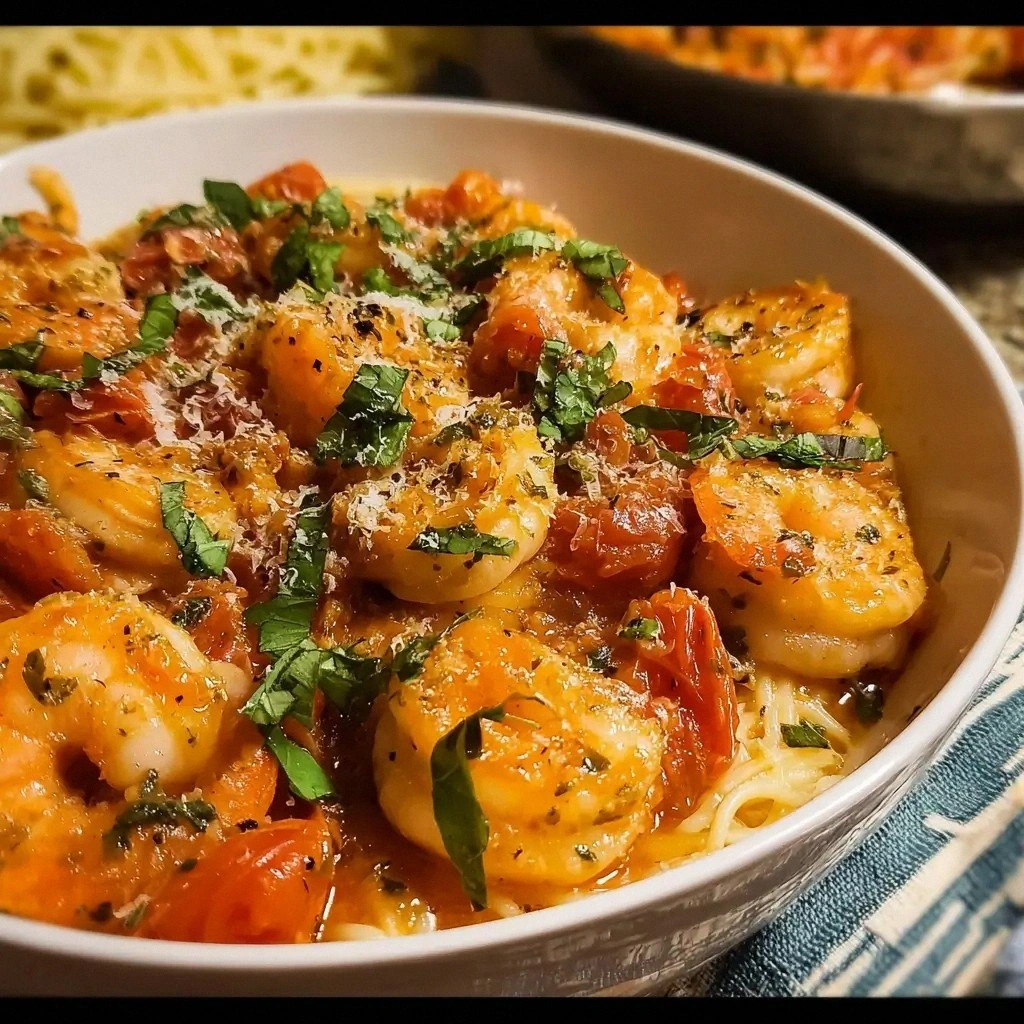
I was in a kitchen that looked like a culinary battlefield. The last dinner I had was a sad, over‑cooked shrimp dish that tasted like cardboard and regret. My friend dared me to turn that disaster into a masterpiece, and I took the challenge. That night, I discovered a version of Garlic Tomato Shrimp Scampi that turned my humble stove into a gourmet laboratory.
Picture the aroma: a sizzling pan of garlic, the bright pop of cherry tomatoes, and a splash of white wine that curls up into steam. The sound is a soft sizzle that announces flavor, the texture a buttery coating that clings to pasta like velvet. The taste? A perfect balance of briny shrimp, sweet acidity from tomatoes, and a citrusy kiss that wakes every palate. I was already craving a second helping, and I dare you to taste this and not go back for seconds.
What sets this recipe apart is that it doesn’t rely on the usual clichés. No need for heavy cream or a fancy sauce. Instead, it uses fresh ingredients that shine on their own, a simple technique that locks in the shrimp’s juiciness, and a subtle twist that turns an ordinary scampi into something unforgettable. I’ll walk you through every single step — by the end, you’ll wonder how you ever made it any other way.
I’ll be honest — I ate half the batch before anyone else got to try it. The first bite was a revelation, and the second was a confession that I’d found the ultimate version of this dish. Most recipes get this completely wrong. Here’s what actually works: a quick sear, a splash of wine that deglazes, and a final touch of lemon that brightens everything. Picture yourself pulling this out of the pan, the whole kitchen smelling incredible, and guests already asking for the recipe. Stay with me here — this is worth it.
What Makes This Version Stand Out
- Flavor: The combination of fresh garlic, sweet cherry tomatoes, and a splash of white wine creates a sauce that’s both vibrant and comforting. Each bite delivers a burst of citrus that lifts the shrimp’s natural sweetness.
- Texture: The shrimp is cooked to a tender pink center, never rubbery, and the linguine is al dente, providing a satisfying bite that contrasts with the buttery sauce.
- Simplicity: With only a handful of ingredients, you can assemble this dish in under 30 minutes. No complex techniques, just straightforward searing and deglazing.
- Ingredient Quality: Using high‑quality, fresh shrimp and ripe tomatoes makes the difference. Fresh herbs like parsley and a squeeze of lemon add a bright, aromatic finish.
- Crowd Reaction: Friends who’ve tried this version rave about how the sauce coats the pasta like velvet and how the shrimp stays juicy. It’s a guaranteed hit at dinner parties.
- Make‑Ahead Potential: The sauce can be prepped ahead of time; just reheat gently and add the shrimp to finish. This makes it a lifesaver for busy weeknights.
- Versatility: Swap linguine for fettuccine, or add a splash of cream for a richer sauce. The base is adaptable to your taste.
Inside the Ingredient List
The Flavor Base
The foundation of this dish is a simple sauté of garlic and olive oil. Garlic is the backbone of Italian seafood dishes; it releases its aroma and sweet notes when it hits hot oil, creating a fragrant base that permeates the entire sauce. If you skip the garlic, the dish loses its depth and becomes a bland tomato‑shrimp mix.
Olive oil is essential for the sauté. It carries the garlic’s flavors and helps the shrimp sear properly. A good extra‑virgin olive oil with a peppery finish adds a subtle complexity that balances the acidity of the tomatoes.
The Texture Crew
Shrimp is the star, and its texture is what people remember. Fresh shrimp should be firm to the touch and have a slight pink blush. If you use frozen shrimp, thaw them in cold water and pat them dry before cooking; this prevents them from becoming rubbery.
Linguine or spaghetti is the perfect pasta choice. Its long, flat shape holds the sauce beautifully, and its al dente bite offers a pleasant contrast to the tender shrimp. If you prefer a gluten‑free option, try rice noodles or gluten‑free spaghetti.
The Unexpected Star
White wine isn’t just for the fancy; it deglazes the pan, lifting those browned bits that are full of flavor. A dry white like Sauvignon Blanc or Pinot Grigio works best. If you’re avoiding alcohol, use chicken broth or a splash of sparkling water as a substitute.
Red pepper flakes add a subtle heat that brightens the dish. They’re optional, but a pinch can give you that “just enough kick” effect without overpowering the shrimp’s natural sweetness.
The Final Flourish
Fresh parsley and lemon juice finish the sauce with a burst of brightness. Parsley adds a fresh, herbaceous note that cuts through the richness of the butter and olive oil. Lemon juice provides acidity that balances the tomato’s sweetness and keeps the sauce from feeling flat.
Butter is added at the end to create a silky mouthfeel and to help the sauce cling to the pasta. A small amount of Parmesan can be stirred in for a nutty depth, but it’s optional if you prefer a lighter dish.
Everything's prepped? Good. Let's get into the real action...
The Method — Step by Step
- Step 1: Bring a large pot of salted water to a rolling boil. Cook the linguine until it’s just shy of al dente, about 8 minutes. Drain, reserving a cup of pasta water. The pasta should be firm to the bite; it will finish in the sauce later.
- Step 2: While the pasta cooks, heat a large skillet over medium‑high heat and pour in the olive oil. Once shimmering, add the minced garlic and a pinch of red pepper flakes. Let it sizzle until fragrant, about 30 seconds, being careful not to let it brown.
- Step 3: Add the cherry tomatoes to the pan. Cook until they start to blister and release their juices, roughly 3 minutes. The tomatoes should be soft but still hold their shape; they’re the sweet counterpoint to the savory shrimp.
- Step 4: Pour in the white wine, scraping the bottom of the pan to loosen any browned bits. Allow the liquid to reduce by half, which concentrates the flavor and creates a silky sauce base.
- Step 5: Reduce the heat to medium and add the shrimp in a single layer. Sear each side for 2 minutes, until the shrimp turns opaque and just starts to curl. This quick sear locks in moisture; don’t overcook or you’ll get rubbery shrimp.
- Step 6: Once the shrimp is cooked, pour in the butter and stir until melted. The butter adds richness and helps the sauce coat the pasta. It should swirl in and coat the shrimp and tomatoes evenly.
- Step 7: Add the cooked linguine to the skillet. Toss everything together, adding a splash of reserved pasta water to thin the sauce if needed. The pasta should be coated in a glossy, aromatic sauce that clings to each strand.
- Step 8: Finish with a squeeze of fresh lemon juice and a generous handful of chopped parsley. The lemon brightens the dish, while parsley adds a fresh, herbaceous note that lifts the flavors.
- Step 9: Plate immediately, garnishing with extra parsley or a drizzle of olive oil if desired. The dish is best served hot, so diners can savor the aroma and the silky sauce right away.
That's it — you did it. But hold on, I've got a few more tricks that'll take this to another level. Keep reading for insider tips that will elevate the dish from good to unforgettable.
Insider Tricks for Flawless Results
The Temperature Rule Nobody Follows
Cooking shrimp at the right temperature is key. A high, steady heat sears the exterior quickly while keeping the interior tender. If the heat is too low, the shrimp will steam and lose that desirable caramelized crust. I always keep my skillet at medium‑high until the shrimp starts to turn pink, then lower to medium to finish.
Why Your Nose Knows Best
Your sense of smell is a secret weapon in the kitchen. Before adding the shrimp, let the garlic and tomatoes mingle until the aroma is rich and inviting. If the smell feels flat, add a splash of wine to lift the flavors. A well‑aromatic base sets the stage for a memorable dish.
The 5‑Minute Rest That Changes Everything
After cooking, let the skillet rest for a minute before plating. This pause allows the flavors to meld and the sauce to thicken slightly. It also gives the shrimp a chance to finish cooking in the residual heat, ensuring they’re perfectly tender.
The Secret to Al Dente Pasta
Pasta can ruin a dish if it’s overcooked. Use a timer and test a strand before draining. If it’s still a bit firm, you’ll have a nice bite that balances the buttery sauce. Remember, the pasta will continue to cook slightly when tossed with the sauce.
The Final Touch of Butter
Adding butter at the end creates a glossy sheen and a silky mouthfeel. It also helps the sauce cling to the pasta and shrimp. Use unsalted butter to control the salt level, and melt it gently over low heat to avoid burning.
Creative Twists and Variations
This recipe is a playground. Here are some of my favorite ways to switch things up:
Creamy Tuscan Shrimp
Swap the white wine for a splash of heavy cream, and stir in sun‑dried tomatoes and spinach. The result is a rich, creamy sauce that still carries the bright notes of garlic and lemon.
Spicy Cajun Shrimp
Add a tablespoon of Cajun seasoning to the garlic sauté and include sliced bell peppers. The smoky heat pairs beautifully with the sweet tomatoes, creating a bold, Southern‑inspired flavor.
Pesto Shrimp Linguine
Replace the parsley with a handful of basil and toss in a spoonful of pesto. The herbal depth of the pesto complements the shrimp’s brininess and adds a vibrant green color.
Gluten‑Free Zucchini Noodles
Swap linguine for spiralized zucchini noodles for a low‑carb option. The zucchini noodles absorb the sauce and provide a fresh, light texture that pairs well with the shrimp.
Mediterranean Seafood Mix
Add a handful of mussels and clams to the skillet with the shrimp. The seafood blend creates a hearty, oceanic flavor profile that’s perfect for a special dinner.
Lemon‑Garlic Butter Shrimp
Omit the tomatoes entirely and double the lemon juice. The result is a bright, buttery shrimp dish that’s incredibly simple yet packed with flavor.
Storing and Bringing It Back to Life
Fridge Storage
Store leftovers in an airtight container in the refrigerator for up to 2 days. The sauce may thicken slightly, so add a splash of pasta water or a drizzle of olive oil before reheating to restore its silky texture.
Freezer Friendly
This dish freezes well for up to 3 months. Separate the pasta and sauce; freeze each component in separate containers. When ready to eat, reheat the sauce in a pan, add the pasta, and finish with a splash of lemon juice.
Best Reheating Method
Reheat on low heat, stirring frequently. Add a tiny splash of water or broth to keep the sauce from drying out. The shrimp will warm through quickly, so keep an eye on it to avoid overcooking.