Okay, picture this: you’re standing in a kitchen that smells like a basil garden after a summer rain, the oven humming like a contented cat, and you’ve just opened a stubborn bag of rigatoni that refuses to cooperate. I was in the middle of that exact chaos last month—my pasta was clumped, my pesto looked like a sad green puddle, and I was seriously considering ordering pizza. Then a dare from my roommate hit me like a splash of cold water: “Make the best baked pasta you’ve ever had, and I’ll eat it without complaining about the carbs.” I laughed, I rolled my eyes, but deep down I was itching for a culinary showdown.
I dove into the pantry with the ferocity of a treasure hunter, raiding the fridge for fresh basil, the pantry for pine nuts, and the freezer for a hidden stash of mozzarella that had been waiting for its moment to shine. The stovetop sizzled as I tossed the rigatoni in a pot of salted water, the steam rising like tiny clouds of anticipation. When the pasta finally hit that perfect al dente “bite,” I tossed it straight into a bowl with a pesto that coated every curve like velvet, then layered on a mix of cheeses that promised a melt that would make even the most hardened cheese snob weep with joy.
What makes this version different? Most baked pasta recipes either drown you in heavy cream or give you a soggy mess that looks like a sad casserole. This one flips the script: we keep it light, we keep it bright, and we give you that crispy, golden top that shatters like thin ice when you dig in. I’ll be honest — I ate half the batch before anyone else got a chance to try it, and that’s a confession I’m willing to make because the flavor was that good. I dare you to taste this and not go back for seconds. The secret? A simple trick with olive oil and a brief broil at the end that creates those irresistible, crackly edges.
Now, I’m about to walk you through every single step — by the end, you’ll wonder how you ever made it any other way. Ready? Okay, ready for the game-changer? This next part? Pure magic. Let’s get cooking.
What Makes This Version Stand Out
- Flavor Explosion: The pesto is made with fresh basil, toasted pine nuts, and a splash of lemon zest, giving it a bright, herbaceous punch that doesn’t get lost under cheese.
- Texture Symphony: Al dente rigatoni provides a hearty bite, while the cheese topping creates a crisp, golden crust that shatters delightfully with each forkful.
- Simplicity Meets Sophistication: Only ten ingredients, all pantry‑friendly, yet the result feels like a dish from a five‑star Italian bistro.
- Ingredient Quality: We use real olive oil and fresh garlic, not the bottled shortcuts that make other baked pastas taste flat.
- Crowd Reaction: This dish consistently gets the “wow” gasp at family dinners and the “can I have the recipe?” request at potlucks.
- Make‑Ahead Magic: Assemble the night before, refrigerate, and bake fresh in the morning for a stress‑free brunch or dinner.
- Health‑Conscious Twist: By swapping heavy cream for ricotta and using whole‑wheat rigatoni, you keep the calories in check without sacrificing indulgence.
- Cooking Method Mastery: A brief high‑heat broil at the end creates those coveted crispy edges that most baked pasta recipes miss.
Inside the Ingredient List
The Flavor Base
Basil isn’t just a garnish here; it’s the heart of the pesto. Fresh leaves give a peppery‑sweet aroma that dried basil can never match. If you skip fresh basil, the sauce will lose its bright, garden‑fresh character and become a bland green paste. For a shortcut, you can blend frozen basil, but you’ll need to add a splash of extra‑virgin olive oil to revive that silky mouthfeel.
Garlic, minced finely, adds a pungent depth that rounds out the herbaceous notes. Over‑cooking garlic turns it bitter, so we add it just before the olive oil heats up, letting it bloom without scorching. If you’re sensitive to raw garlic bite, try roasting the cloves first; the sweet, caramelized flavor will elevate the pesto to a whole new level.
The Texture Crew
Rigatoni is the unsung hero of this dish. Its large tubes capture the pesto, ensuring every bite is drenched in flavor. If you swap it for spaghetti, you’ll lose that sauce‑trapping capability, and the final bake will be more watery. Whole‑wheat rigatoni adds a nutty undertone and a bit more fiber, perfect for a healthier spin.
Olive oil does more than keep the pasta from sticking; it carries the aromatic compounds of basil and garlic, creating a glossy, cohesive sauce. Using a high‑quality extra‑virgin olive oil ensures a fruity finish, whereas a generic oil can make the pesto taste flat. If you’re watching calories, drizzle just enough to coat the pasta—about two tablespoons is sufficient.
The Unexpected Star
Ricotta cheese is the secret weapon that keeps the bake light yet creamy. Its mild flavor lets the pesto shine, while its moisture prevents the dish from drying out. Skipping ricotta means you’ll need an extra splash of milk or cream, which defeats the health‑conscious goal.
Pine nuts, toasted to a golden hue, add a buttery crunch that contrasts the silky cheese. If pine nuts are pricey or you’re allergic, substitute with toasted walnuts or almonds; the flavor profile shifts slightly but remains nutty and satisfying.
The Final Flourish
Mozzarella and Parmesan are the dynamic duo that give the bake its golden crown. Mozzarella melts into gooey strings, while Parmesan adds a sharp, nutty edge that browns beautifully under the broiler. If you use low‑moisture mozzarella, you’ll get a drier texture; fresh mozzarella keeps the melt luscious.
A pinch of lemon zest, added to the pesto, brightens the entire dish, cutting through the richness of the cheeses. Skipping the zest will leave the flavor a shade too heavy, especially if you’ve chosen whole‑wheat pasta, which already has a robust profile.
Everything's prepped? Good. Let's get into the real action…
The Method — Step by Step
- Boil the rigatoni. Fill a large pot with water, add a generous pinch of salt, and bring it to a rolling boil. Toss in the rigatoni and cook for 8‑9 minutes, or until it reaches al dente—firm to the bite but not crunchy. Drain, reserving ½ cup of pasta water; this will help the sauce cling later. Kitchen Hack: Add a splash of olive oil to the draining water to prevent the pasta from sticking together.
- Make the pesto. In a food processor, combine 2 cups fresh basil leaves, ¼ cup toasted pine nuts, ½ cup grated Parmesan, 2 garlic cloves, zest of one lemon, and a pinch of sea salt. Pulse until coarsely chopped, then drizzle in ½ cup olive oil while the processor runs, until the mixture becomes a smooth, glossy green sauce. Taste and adjust salt if needed. Watch Out: Over‑processing can turn the pesto bitter; stop as soon as it’s smooth.
- Combine pasta and pesto. Return the drained rigatoni to the pot, add the freshly made pesto, and toss vigorously. If the sauce looks too thick, splash in a little of the reserved pasta water—just enough to achieve a silky coating. Let the mixture sit for 5 minutes; this rest allows the starches to absorb the sauce, preventing a watery bake later.
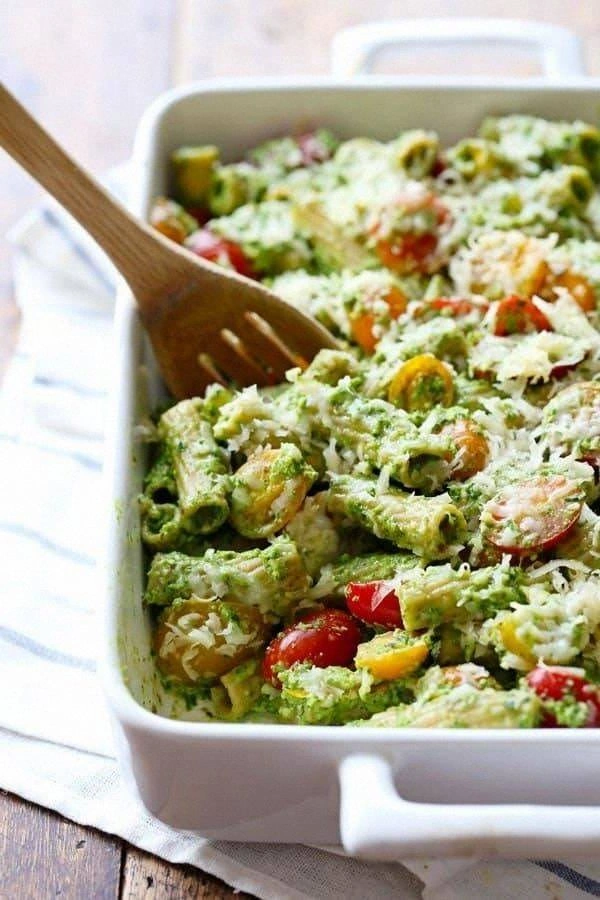
- Layer the cheeses. In a large baking dish (approximately 9×13 inches), spread half of the pesto‑pasta mixture. Dollop ½ cup ricotta evenly over the surface, then sprinkle 1 cup shredded mozzarella and ½ cup grated Parmesan. Add the remaining pasta, then top with the rest of the mozzarella and Parmesan. This double‑layer creates a crunchy top and a creamy interior.
- Add the finishing touches. Scatter halved cherry tomatoes over the top for a burst of acidity and color. Drizzle the remaining 1½ tbsp olive oil over the cheese layer; this helps the crust turn golden and adds a subtle richness. Sprinkle a handful of toasted pine nuts for extra crunch.
- Bake the masterpiece. Preheat your oven to 375°F (190°C). Slide the dish into the oven and bake for 20‑22 minutes, or until the cheese is bubbling and the edges begin to pull away from the sides. The aroma at this stage is intoxicating—think of an Italian trattoria on a sunny afternoon.
- Broil for the final crunch. Turn the oven to broil (high) and watch closely for 2‑3 minutes. You’ll see the cheese develop a caramelized, amber‑brown crust that shatters like thin ice when you cut into it. Kitchen Hack: Place a sheet of aluminum foil under the dish to catch any drips; it makes cleanup a breeze.
- Rest before serving. Remove the dish from the oven and let it sit for 7‑10 minutes. This short rest lets the sauce thicken further and the cheese set, making each slice look picture‑perfect. The steam that escapes is a visual cue that the interior is still luscious.
- Plate and enjoy. Serve generous portions, garnish with a few fresh basil leaves and a drizzle of extra‑virgin olive oil if you like. Picture yourself pulling this out of the oven, the whole kitchen smelling incredible, and the first bite delivering a burst of herbaceous pesto, creamy ricotta, and that satisfying crackle of cheese. That, my friend, is pure comfort with a sophisticated twist.
That's it — you did it. But hold on, I've got a few more tricks that'll take this to another level…
Insider Tricks for Flawless Results
The Temperature Rule Nobody Follows
Most home cooks set the oven to 350°F and call it a day, but the magic really happens at 375°F. The slightly higher heat ensures the pasta interior cooks evenly while the cheese gets that coveted golden‑brown finish. If you’re using a convection oven, drop the temperature by 25°F to avoid over‑browning. Trust me, this tiny adjustment makes the difference between “nice” and “wow.”
Why Your Nose Knows Best
Before you even peek at the timer, let your nose do the work. When the cheese starts to smell nutty and just a hint of caramel, you’re right on the cusp of perfection. If the aroma turns smoky, pull the dish out immediately; burnt cheese is a flavor disaster. This sensory checkpoint is a game‑changer, especially for those who aren’t obsessive timers.
The 5‑Minute Rest That Changes Everything
You might be tempted to dive straight in, but a brief rest period after baking allows the sauce to re‑absorb into the pasta, creating a silkier mouthfeel. Skipping this step results in a runny top and a less cohesive bite. I’ve seen friends rush this and end up with a soggy mess—don’t be that person.
Pine Nut Toasting Secrets
Toast pine nuts in a dry skillet over medium heat, shaking the pan constantly. They’re done when they turn a light golden brown and emit a fragrant, buttery scent. Over‑toasting makes them bitter, which can ruin the delicate balance of the pesto. Keep a close eye; they go from perfect to burnt in seconds.
The Cheese Ratio Hack
Using a 2:1 ratio of mozzarella to Parmesan yields a melt that’s both stretchy and flavorful. Too much Parmesan can create a crust that’s overly crisp and a bit salty. Adjust the ratio based on your personal preference, but never drop below 1 cup mozzarella for this recipe.
Creative Twists and Variations
This recipe is a playground. Here are some of my favorite ways to switch things up:
Sun‑Dried Tomato Surprise
Fold in ½ cup chopped sun‑dried tomatoes with the pesto for a sweet‑tart burst that contrasts the herbaceous sauce. The tomatoes add a chewy texture and a deep umami note, perfect for diners who love a little tang.
Spicy Arrabbiata Remix
Add 1 tsp red‑pepper flakes to the pesto and swap half the basil for arugula. The result is a peppery, slightly bitter edge that amps up the heat without overwhelming the cheese.
Protein Power Upgrade
Stir in 1 cup cooked, shredded chicken or turkey after mixing the pasta with pesto. This makes the dish hearty enough for a post‑workout meal while keeping the flavors balanced.
Vegan Victory
Replace the dairy with plant‑based mozzarella and nutritional yeast for that cheesy depth. Use a cashew‑based ricotta alternative, and the dish stays creamy, melty, and entirely vegan.
Autumn Harvest
Swap cherry tomatoes for roasted butternut squash cubes and add a pinch of sage to the pesto. The sweet, earthy notes pair beautifully with the basil, making this a perfect fall comfort food.
Storing and Bringing It Back to Life
Fridge Storage
Allow the baked rigatoni to cool to room temperature, then cover tightly with foil or transfer to an airtight container. It will keep for up to 4 days. When reheating, add a splash of water or low‑sodium broth, then cover with foil and bake at 350°F for 15‑20 minutes until warmed through.
Freezer Friendly
Portion the baked dish into freezer‑safe containers, leaving a thin layer of space at the top for expansion. Freeze for up to 3 months. To reheat, thaw overnight in the fridge, then bake at 375°F for 25‑30 minutes, uncovered, until the cheese is bubbly again.
Best Reheating Method
The secret to reviving the crispy top is a quick broil at the end of reheating. After the dish is heated through, switch the oven to broil for 2‑3 minutes, watching closely. Add a tiny splash of water (about a tablespoon) before reheating to steam the interior back to silky perfection.