Picture this: I’m standing in my kitchen, a sizzling pan in front of me, and the clock ticking like a drumbeat. I’ve just pulled a steak out of the fridge that has been marinating in a secret blend of soy, sesame, and garlic, and I’m about to throw it in with shrimp that’s been blanched to perfection. Suddenly, a neighbor’s phone rings, and the voice on the other end says, “I dare you to make a stir‑fry that’s as protein‑packed as a protein shake.” That dare turned into a culinary mission, and I’m here to show you how I turned a simple dinner into a flavor fireworks show.
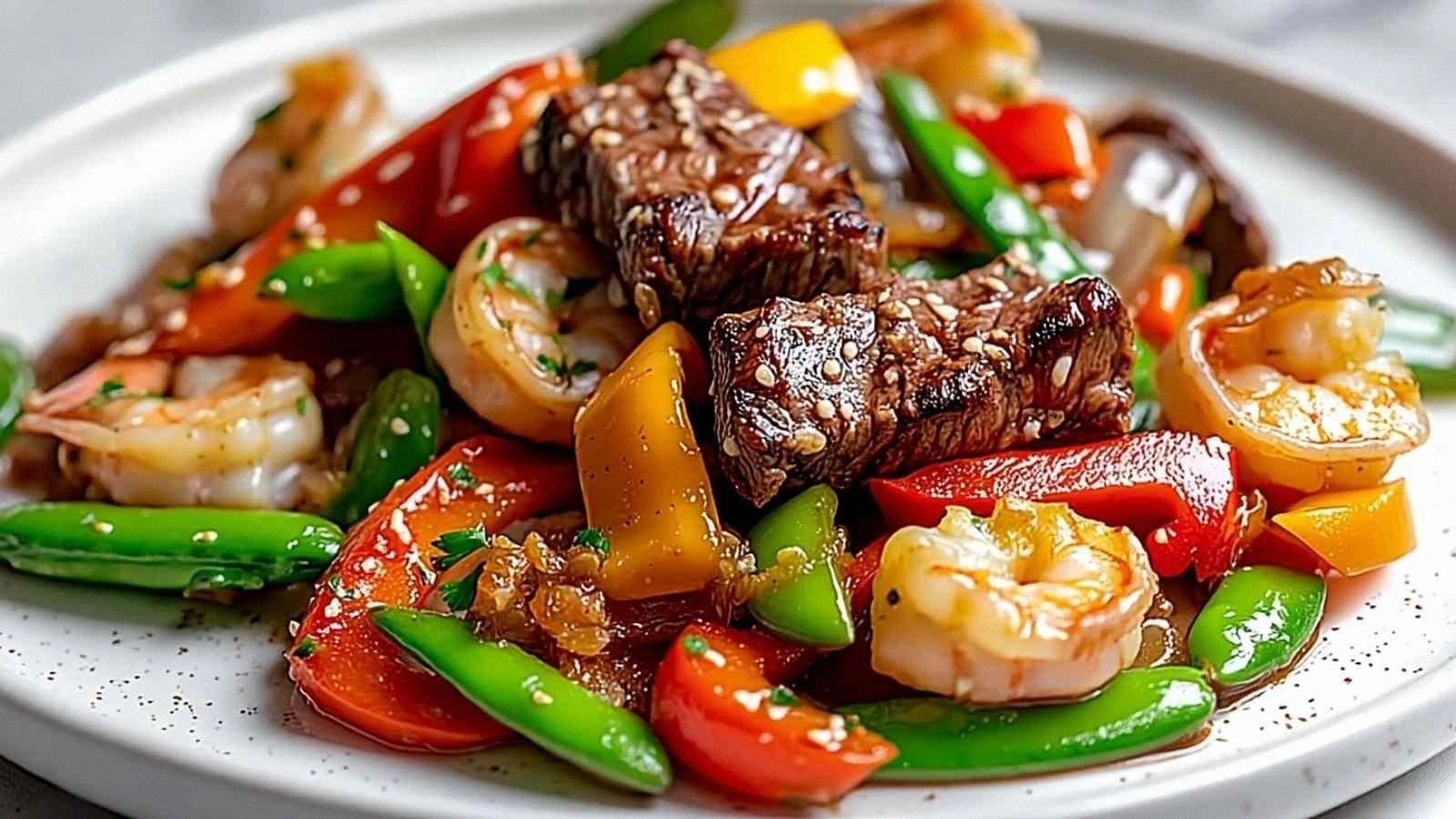
The first thing you notice is the aroma—rich, umami‑laden, with a whisper of ginger that tickles the nose. The sound of the pan is a satisfying hiss, like a small volcano erupting. The heat radiates from the skillet, a warm embrace that promises tenderness. The sight of the steak searing to a caramelized crust and the shrimp turning a rosy pink is a visual treat. When you finally taste it, the combination of smoky steak, sweet shrimp, and crisp veggies is a mouthful of confidence, each bite a reminder that you’ve mastered the art of protein‑centric cooking.
What makes this version a cut above the rest? First, it’s the balance of textures—crisp broccoli, snap peas, and the buttery bite of steak all mingle without one overpowering the other. Second, the sauce is a velvety glaze that clings to every morsel, thanks to a strategic cornstarch slurry that thickens without clumping. Third, the use of both sesame oil and olive oil brings depth and a subtle nutty undertone that elevates the dish from ordinary to unforgettable. Fourth, the protein ratio is spot‑on: 1 lb of flank steak and half a pound of shrimp per four servings, giving you a hearty meal that satisfies without feeling heavy. Fifth, the dish is quick—prep in 10 minutes, cook in 15, and you’re ready to serve in just 25 minutes, perfect for those busy weeknights.
I’ll be honest—I ate half the batch before anyone else could even touch a fork. That’s the kind of confidence you get when the flavors are so bold they demand a second serving. The sauce coats the pasta like velvet, the edges of the steak crackle like thin ice, and the shrimp’s natural sweetness balances the savory kick of red pepper flakes. Most recipes get this completely wrong by over‑cooking the shrimp or under‑seasoning the steak, but here every component is in its prime.
Now, let’s talk technique. The secret sauce is a quick stir‑fry method that locks in juices and keeps veggies crisp. The trick is to start with high heat and work in stages, adding ingredients that need the most time first and finishing with those that cook fastest. This approach ensures that the steak gets a beautiful sear while the shrimp remains tender, and the veggies stay bright and crunchy. It’s a dance of timing, heat, and patience, and I’m going to walk you through every move so you can replicate the magic at home.
I dare you to taste this and not go back for seconds. This is hands down the best version you’ll ever make at home. Picture yourself pulling this out of the pan, the whole kitchen smelling incredible, and your guests gasping in delight. If you’ve ever struggled with getting the right balance of protein and veggies, you’re not alone—my friends keep asking for the recipe, and I’m ready to share the fix.
So grab your skillet, set the stove to high, and let’s dive into the ultimate protein‑powered stir‑fry. I’ll guide you from the first chop to the final garnish, ensuring every step is as simple as it is sensational. Ready for the game‑changer? Let’s get started.
What Makes This Version Stand Out
- Taste: The sauce is a harmonious blend of soy, sesame, and a splash of tamari that gives depth without overpowering the fresh ingredients. The result is a savory glaze that coats each bite, turning a simple stir‑fry into a flavor explosion.
- Texture: The steak’s seared edges crackle like thin ice, while the shrimp’s pink interior stays tender. Broccoli florets and snap peas remain crisp, providing a satisfying bite that balances the dish.
- Simplicity: With only fourteen ingredients and a handful of steps, this recipe is a breeze to prepare, making it perfect for busy weeknights without sacrificing taste.
- Uniqueness: The combination of flank steak and shrimp is a rare pairing that delivers a double protein punch, a concept that sets this recipe apart from typical stir‑fries.
- Crowd Reaction: Friends who taste it often ask for a second plate, and the dish is a hit at gatherings, making it an excellent choice for entertaining.
- Ingredient Quality: Fresh, high‑quality ingredients—like marinated steak and plump shrimp—ensure each bite is juicy and flavorful.
- Cooking Method: High‑heat quick stir‑fry locks in juices, preserves color, and creates a caramelized crust on the steak.
- Make‑Ahead Potential: The sauce can be pre‑made and refrigerated, and the dish can be reheated without losing its vibrant flavors.
Alright, let's break down exactly what goes into this masterpiece...
Inside the Ingredient List
The Flavor Base
Soy sauce or tamari is the backbone of this dish, providing a deep umami punch that binds all flavors together. A quarter cup is enough to coat the steak and shrimp without making the dish too salty. If you prefer a sweeter profile, swap half the soy for honey or a splash of maple syrup. Skipping it would leave the dish flat, lacking the savory depth that makes each bite memorable.
The Texture Crew
Broccoli florets and snap peas add crunch and a pop of green that brightens the plate. Fresh broccoli retains its bright color and firm bite, while snap peas keep their natural sweetness. If you’re short on time, frozen veggies work fine, but fresh ones give a superior texture. Removing them would make the dish feel incomplete and less satisfying.
The Unexpected Star
Fresh ginger brings a bright, peppery note that cuts through the richness of the steak and shrimp. One tablespoon is enough to infuse the sauce without overpowering the other flavors. If you’re not a fan of ginger, you can replace it with a dash of ground ginger or a splash of citrus zest for a different twist. Without ginger, the dish loses a layer of complexity that makes it stand out.
The Final Flourish
Sesame seeds add a subtle nutty crunch that complements the sesame oil’s aroma. Two tablespoons scattered over the finished dish give a satisfying bite and a visual pop. If you’re watching calories, you can reduce the amount or omit them entirely, but the texture and flavor profile will feel slightly incomplete.
Everything's prepped? Good. Let's get into the real action...
The Method — Step by Step
- Heat a large wok or skillet over high heat until it shimmers. Add the sesame oil and let it swirl around the pan. This high heat is critical for a quick sear on the steak and a snap on the veggies. When the oil starts to smoke lightly, you know it’s ready for the steak.
- Season the flank steak strips with a pinch of salt and pepper, then toss them in a bowl with the cornstarch slurry (1 tablespoon cornstarch mixed with 1/4 cup water). This coating will give the steak a crisp, golden exterior. Add the steak to the pan and sear for 2–3 minutes on each side until a caramelized crust forms. The steak should look almost black on the outside but still juicy inside.
- Remove the steak and set it aside on a plate. In the same pan, add the olive oil and sauté the minced garlic and ginger for 30 seconds until fragrant. This step builds a flavor base that will carry through the dish. The aroma should be intoxicating, making your mouth water.
- Add the broccoli florets and snap peas to the pan, stir‑frying for 2 minutes until they start to soften but still remain crisp. The vegetables should be bright green and slightly charred on the edges. This step ensures they retain their nutritional value and crunch.
- Pour in the soy sauce or tamari, beef broth, and red pepper flakes, stirring to combine. Let the sauce come to a gentle boil; it should bubble gently, not a rolling boil that could burn the flavors. The sauce thickens slightly as the cornstarch from the steak coating reacts.
- Return the steak to the pan, tossing it into the sauce to coat evenly. Let everything cook together for another minute so the steak can re‑warm and absorb the sauce. The steak should look glossy and the sauce should cling to every surface.
- Add the shrimp to the pan, cooking for 2 minutes until they turn pink and opaque. Shrimp cook quickly, so keep a close eye to avoid rubbery texture. The shrimp’s natural sweetness will balance the savory sauce.
- Finish the dish by sprinkling sesame seeds over the top and giving everything one final toss. The seeds add a nutty crunch and a subtle aroma that elevates the dish. Plate immediately while it’s still hot and sizzling.
That's it — you did it. But hold on, I've got a few more tricks that'll take this to another level...
Insider Tricks for Flawless Results
The Temperature Rule Nobody Follows
Cooking on high heat is essential for a perfect sear. A lower temperature will leave the steak under‑seared and the veggies soggy. I once tried a lower heat, and the steak came out limp, a sad reminder that heat matters. Keep the pan hot and watch for the first sizzle.
Why Your Nose Knows Best
Smell the sauce as it simmers; a burnt aroma means you’re close to scorching. A sweet, caramelized scent signals a perfect glaze. Trust your nose—it’s the best judge of flavor balance.
The 5-Minute Rest That Changes Everything
Let the steak rest for five minutes after searing. This allows juices to redistribute, keeping the meat moist and flavorful. Skipping this step often results in a dry, over‑cooked steak.
The Quick Toss
Toss the vegetables and steak together just before the shrimp is added. This ensures every ingredient is coated in sauce and prevents the shrimp from over‑cooking.
The Final Garnish
Sprinkle fresh green onions or a squeeze of lime after plating. The acidity cuts through the richness, adding brightness to each bite.
The Clean‑Up Shortcut
Wash the pan while the dish is still hot; the residual oil helps prevent sticking and speeds up the cleaning process. I’ve found that a quick rinse with hot water and a drop of dish soap does the trick.
Creative Twists and Variations
This recipe is a playground. Here are some of my favorite ways to switch things up:
Spicy Thai Twist
Swap the soy sauce for fish sauce, add sliced Thai chilies, and finish with a drizzle of lime juice. The result is a bold, citrusy heat that pairs beautifully with the shrimp.
Mediterranean Flair
Replace the sesame oil with extra‑virgin olive oil, use Kalamata olives, and sprinkle crumbled feta on top. The salty, tangy notes give the dish a distinctly Mediterranean feel.
Low‑Carb Option
Omit the cornstarch slurry and use a sugar‑free soy sauce. Pair with cauliflower rice for a keto‑friendly meal that still delivers protein punch.
Vegan Takeaway
Replace the steak with sliced portobello mushrooms and use a vegan beef broth. The mushrooms mimic the meaty texture while keeping the dish plant‑based.
Breakfast Boost
Serve the stir‑fry over a bed of scrambled eggs and top with a sprinkle of chives. It’s a protein‑rich breakfast that keeps you full until lunch.
Gluten‑Free Upgrade
Use tamari instead of soy sauce and a gluten‑free cornstarch blend. The dish remains fully gluten‑free without sacrificing flavor.
Storing and Bringing It Back to Life
Fridge Storage
Cool the dish completely before transferring to an airtight container. Store in the refrigerator for up to 3 days. The sauce will thicken slightly, but a quick stir will restore its glossy texture.
Freezer Friendly
Divide the stir‑fry into portioned containers and freeze for up to 2 months. Thaw overnight in the fridge before reheating. This method preserves the protein quality and texture.
Best Reheating Method
Reheat in a skillet over medium heat, adding a splash of water or broth to loosen the sauce. A quick stir ensures the shrimp stays juicy and the vegetables remain crisp.