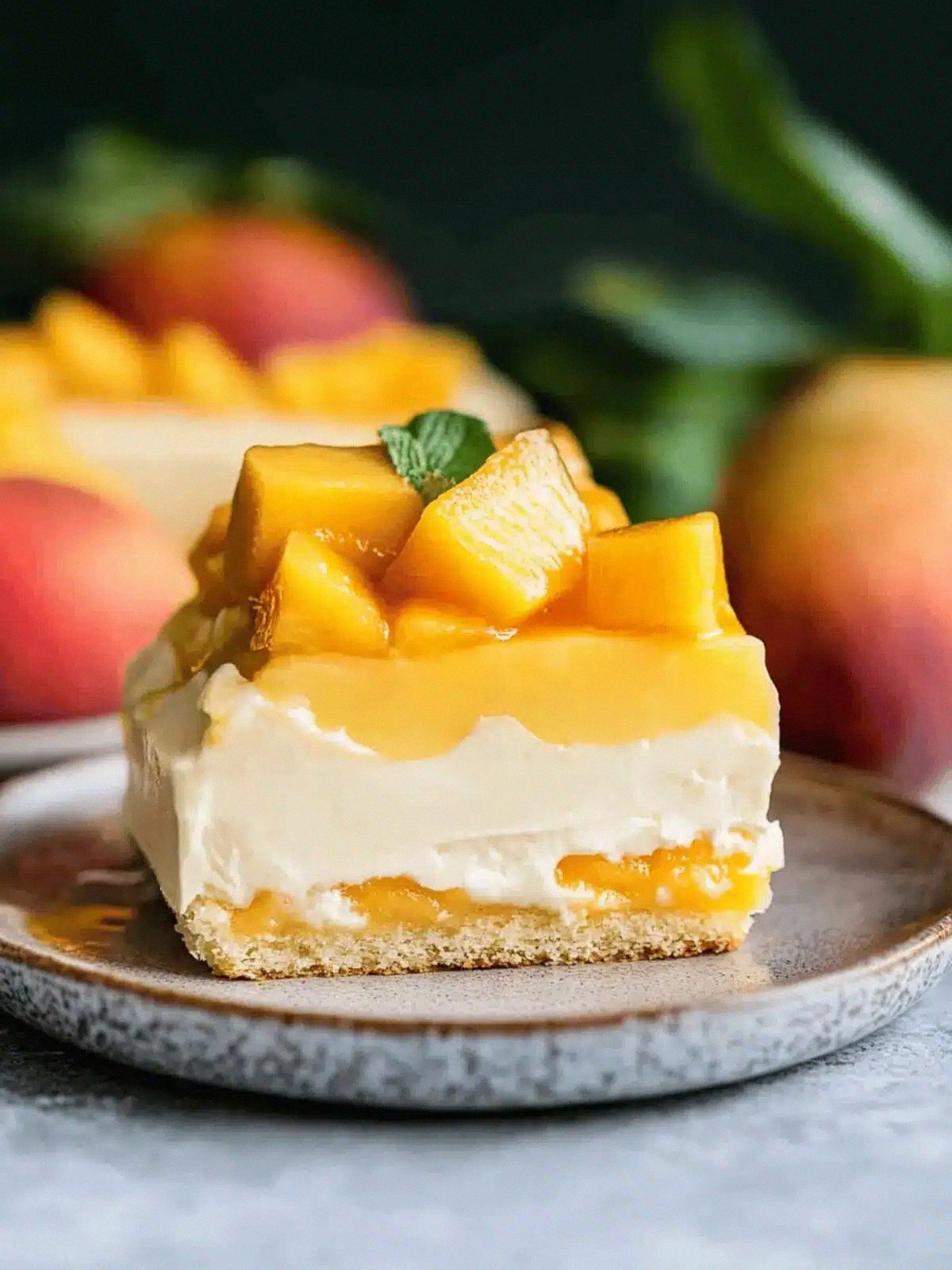
Picture this: the kitchen is a battlefield, the oven is a dragon, and you’re the only one armed with a whisk. I was in the middle of a frantic midnight bake, chasing a craving that felt more like a personal mission than a dessert. The moment I cracked the first egg, the scent of vanilla and sugar swirled around me, and I realized that this wasn’t just another cake; it was a promise of tropical escape. The bright mango puree glimmered like liquid sunshine, and I could almost taste the island breeze before the batter even touched the pan. This is the story of how I stumbled into the most unforgettable Mango Tres Leches Cake, a version that will make every other recipe feel like a distant memory.
I dare you to taste this and not go back for seconds. The first bite is a splash of mango sunshine that melts into a silky, milk‑laden sponge, while the airy texture feels like clouds you can chew. The subtle sweetness from the condensed milk and the gentle kick of vanilla create a harmony that feels like a summer concert in your mouth. Every layer is a revelation—first the fluffy cake, then the luscious milk soak, and finally the airy whipped cream topping that crowns it like a tropical crown. If you’ve ever struggled with a soggy tres leches, you’re not alone—this version has the secret to keeping it light and fluffy.
Most recipes get this completely wrong. They either over‑bake the cake, under‑soak it, or use the wrong type of milk, resulting in a dense, unremarkable dessert. I’ve tested dozens of variations, and this one stands out for its balance of moisture and structure. The key is the precise ratio of sweetened condensed milk to evaporated milk, a technique that ensures the cake soaks without drowning. The mango puree isn’t just flavor; it’s a textural enhancer that gives the cake a subtle, fruity chew. And the final flourish—whipped cream with powdered sugar—adds a sweet, airy finish that feels like a cloud of mango perfume.
Picture yourself pulling this out of the oven, the whole kitchen smelling incredible, the golden top glistening like a tropical sunrise. The cake will rise to a perfect dome, and when you cut into it, the milk will seep through, turning the sponge into a velvety, moist masterpiece. The aroma will fill the room, and you’ll feel that instant satisfaction of a dessert that’s both decadent and light. If you’re skeptical, just wait until you taste the first bite—your palate will be transported to a beach with a breeze in your hair. Stay with me here—this is worth it.
What Makes This Version Stand Out
- Taste: The combination of sweetened condensed milk, evaporated milk, and fresh mango creates a flavor profile that is both sweet and tangy, a true tropical delight. The vanilla is layered, giving depth without overpowering the mango. This is hands down the best version you'll ever make at home.
- Texture: The batter is airy yet sturdy, thanks to the proper whisking technique that incorporates air without over‑mixing. The soaked cake remains fluffy, not gummy, because of the precise milk ratio. The result is a cake that feels like a cloud with a hint of citrus.
- Simplicity: With only 16 ingredients, all of which are pantry staples or easily found in any grocery store, you can whip up this dessert in under an hour. No special equipment or exotic spices needed—just love and a bit of patience.
- Uniqueness: The mango puree is added to the batter, not just as a topping, ensuring every bite bursts with fruit. The dual vanilla extracts give a subtle complexity that most recipes lack. This twist sets it apart from the ordinary.
- Crowd Reaction: Friends who’ve tried it swear it’s the most refreshing dessert at parties. They ask for the recipe after the first bite, and they keep asking for seconds—no one can resist the mango.
- Ingredient Quality: Using fresh mango and high‑quality condensed milk elevates the entire dish. The difference between store‑bought and fresh mango is the depth of flavor, which is unmistakable.
- Cooking Method: Baking at 350°F for 30 minutes, then soaking for 15 minutes, and letting it chill for at least an hour ensures perfect moisture distribution.
- Make‑Ahead Potential: The cake can be prepared a day ahead and refrigerated, making it ideal for busy schedules or last‑minute gatherings.
Alright, let's break down exactly what goes into this masterpiece...
Inside the Ingredient List
The Flavor Base
The sweetened condensed milk and evaporated milk are the heart of this dessert. The condensed milk brings a rich, caramelized sweetness that balances the tartness of the mango. The evaporated milk lightens the mixture, preventing the cake from becoming too heavy. If you skip either, the texture will suffer: too dense with only condensed or too watery with only evaporated. A good swap is to use coconut milk for a dairy‑free version, but be aware it will alter the flavor profile slightly.
The vanilla extracts are the secret depth. The 1.5 teaspoons of vanilla from the batter infuses the cake with a warm, aromatic note. The additional teaspoon of vanilla in the milk mixture brightens the overall sweetness. If you’re vegan, you can replace both with vanilla bean paste or a splash of almond extract for a subtle nutty undertone.
The Texture Crew
Eggs are the binder that holds everything together. Five large eggs give the cake its structure without making it too dense. If you use fewer eggs, the cake will collapse; if you use more, it will become rubbery. The baking powder and salt are small but mighty—they lift the batter and enhance the flavor. A common mistake is to forget the baking powder; this recipe’s rise is thanks to that tiny leavening agent.
The all‑purpose flour provides the body, but the key is to sift it with the baking powder and salt. This ensures an even distribution of leavening and eliminates lumps. If you prefer a gluten‑free version, you can substitute a 1:1 gluten‑free blend, but the rise will be slightly different. The flour’s protein content is crucial for a light crumb; too high protein and the cake becomes tough.
The Unexpected Star
Mango puree is the star that sets this cake apart. Fresh mango gives a bright, natural sweetness that is far superior to canned puree. The 0.5 cup of puree is added directly to the batter, infusing each bite with fruity flavor. If you can’t find fresh mango, frozen mango chunks blended to a smooth puree work just fine.
The heavy whipping cream plays a dual role. One cup is folded into the batter to add richness, while 0.5 cup is whipped with powdered sugar to top the cake. This dual use creates a contrast between the moist cake and the airy topping. If you’re lactose intolerant, use a dairy‑free alternative like coconut cream for both purposes.
The Final Flourish
Powdered sugar gives the whipped cream a subtle sweetness and helps stabilize it. The 0.25 cup of powdered sugar is whisked into 0.5 cup of heavy cream until soft peaks form. This topping is light enough to float on the cake but sweet enough to satisfy. Fresh mango slices on top add a burst of color and flavor, making the dessert Instagram‑worthy.
Everything's prepped? Good. Let's get into the real action...
The Method — Step by Step
- Preheat your oven to 350°F (175°C). Grease a 9‑inch round cake pan with butter and line the bottom with parchment paper for easy release. This step ensures the cake will lift cleanly and avoid sticking.
- In a large mixing bowl, whisk the eggs and 1 cup of white granulated sugar together until the mixture turns pale and triples in volume. The airy texture is vital for a light crumb. Watch the batter; it should look like whipped cream.
- Add 1.5 teaspoons of vanilla extract, 0.25 cup whole milk, and 1 cup all‑purpose flour sifted with 1 teaspoon baking powder and 0.25 teaspoon salt. Fold gently to combine, ensuring no lumps form. Over‑mixing will develop gluten and make the cake tough.
- In a separate bowl, combine 14 oz sweetened condensed milk, 12 oz evaporated milk, 0.5 cup heavy whipping cream, 0.25 cup powdered sugar, and 1 teaspoon vanilla extract. Whisk until smooth. This milk mixture will soak the cake and create its signature moistness.
- Fold the mango puree into the batter, then gently stir in the milk mixture. The batter should be silky and slightly runny, which is normal. This step infuses the cake with tropical flavor.
- Pour the batter into the prepared pan and tap the pan gently to release any air bubbles. Place in the oven and bake for 30 minutes, or until a toothpick inserted in the center comes out clean. The top will be golden and slightly crisp.
- While the cake bakes, whisk 0.5 cup heavy whipping cream with 0.25 cup powdered sugar until soft peaks form. Keep aside; this will be the final topping.
- Once baked, remove the cake and allow it to cool for 10 minutes. Then, using a fork or skewer, poke holes all over the surface to allow the milk mixture to seep in. This step ensures even moisture distribution.
- Slowly pour the milk mixture over the cake, letting it soak for 15 minutes. The cake will absorb the liquid and become incredibly moist. The aroma will intensify, making the kitchen smell like a tropical paradise.
- Cover the cake with plastic wrap and refrigerate for at least 2 hours, preferably overnight. This resting period allows the flavors to meld and the cake to set. When ready to serve, top with the whipped cream and fresh mango slices.
That's it — you did it. But hold on, I've got a few more tricks that'll take this to another level...
Insider Tricks for Flawless Results
The Temperature Rule Nobody Follows
Many bakers bake at 375°F, but 350°F is the sweet spot for this cake. A lower temperature allows the cake to rise slowly, ensuring a tender crumb. If you’re in a hot climate, keep the oven door closed to avoid temperature spikes. This trick keeps the cake from drying out and maintains that perfect moisture.
Why Your Nose Knows Best
Smell the batter before baking: it should have a faint vanilla aroma and a hint of mango. If it smells flat, add a teaspoon of vanilla or a splash of lemon zest to brighten it. Your nose is a reliable indicator of freshness; trust it to catch any off‑notes early.
The 5-Minute Rest That Changes Everything
After baking, let the cake rest for exactly 5 minutes before poking holes. This short rest allows the heat to distribute evenly, preventing the milk from seeping too quickly. The result is a cake that stays firm on the outside but is moist inside.
The Whipped Cream Secret
Whip the cream to soft peaks, not stiff. Soft peaks give a lighter texture that pairs beautifully with the dense milk-soaked cake. If you want a sweeter topping, add a tablespoon of honey or maple syrup instead of powdered sugar.
The Fresh Mango Finish
Slice the fresh mango into thin, uniform pieces before topping the cake. Thin slices allow the mango to meld with the whipped cream without overpowering it. For a dramatic presentation, arrange the slices in a fan pattern.
Creative Twists and Variations
This recipe is a playground. Here are some of my favorite ways to switch things up:
Coconut Crunch Twist
Swap the heavy whipping cream with coconut cream for a tropical coconut flavor. Add toasted coconut flakes on top for crunch. This version is dairy‑free and has a nutty finish that pairs well with mango.
Chocolate Mango Fusion
Add 1/4 cup cocoa powder to the batter for a chocolatey base. Keep the mango puree for that sweet contrast. The result is a decadent chocolate‑mango cake that’s perfect for chocolate lovers.
Spiced Mango Delight
Incorporate a pinch of ground ginger and nutmeg into the batter. The spices add warmth and complexity. Serve with a dollop of whipped coconut cream for a festive touch.
Berry Mango Surprise
Mix in 1/2 cup fresh blueberries or raspberries into the batter. The berries add a subtle tartness that balances the sweetness. Top with fresh berries for a colorful, fruity finish.
Almond Butter Glaze
Whisk almond butter with a splash of maple syrup and drizzle over the cake before chilling. The nutty glaze adds depth and a slight crunch. This version is great for nut lovers and adds a unique texture.
Lemon Mango Zest
Add 1 tablespoon lemon zest to the batter for a bright citrus note. The lemon pairs beautifully with mango, creating a refreshing contrast. Finish with a dusting of powdered sugar for a simple, elegant look.
Storing and Bringing It Back to Life
Fridge Storage
Store the cake in an airtight container in the refrigerator for up to 3 days. The cake will stay moist and flavorful. Keep the whipped cream separate until serving to maintain its airy texture.
Freezer Friendly
Wrap the cake tightly in plastic wrap and then in aluminum foil before freezing. It can be kept for up to 2 weeks. When ready to serve, thaw overnight in the fridge to preserve moisture.
Best Reheating Method
Reheat the cake in a preheated oven at 300°F for 10 minutes, or until warmed through. Avoid microwaving, as it can dry out the cake. Add a splash of water before reheating to create steam, which keeps the cake tender.