Picture the kitchen at 2 a.m., a single burner glowing like a lighthouse, the air thick with the scent of garlic and oregano. I was halfway through a weeknight dinner, the chicken thighs resting on the counter, when the timer on the phone rang—an accidental, frantic reminder of a forgotten pot of pasta. I stared at the empty plate, the silence of the apartment echoing louder than any culinary ambition. That moment of culinary crisis was the spark that ignited the recipe you’re about to master.
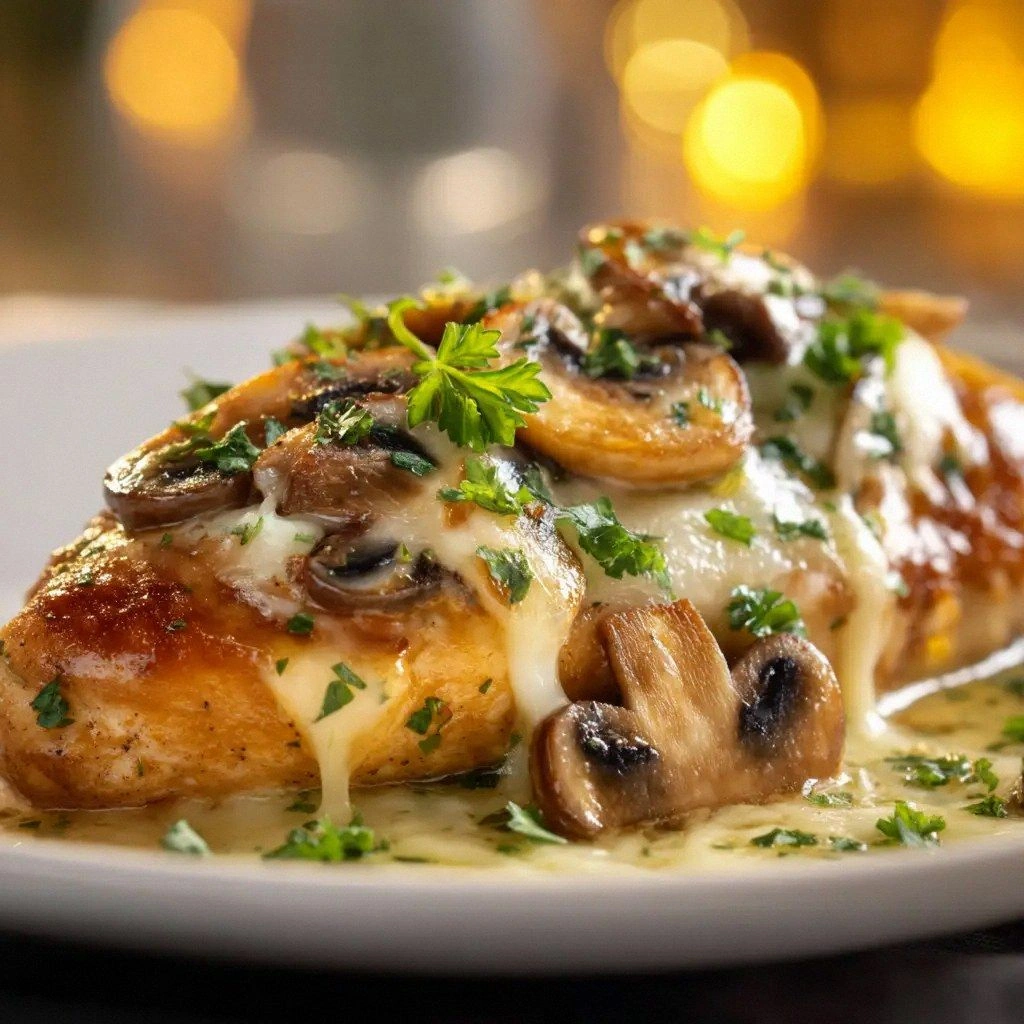
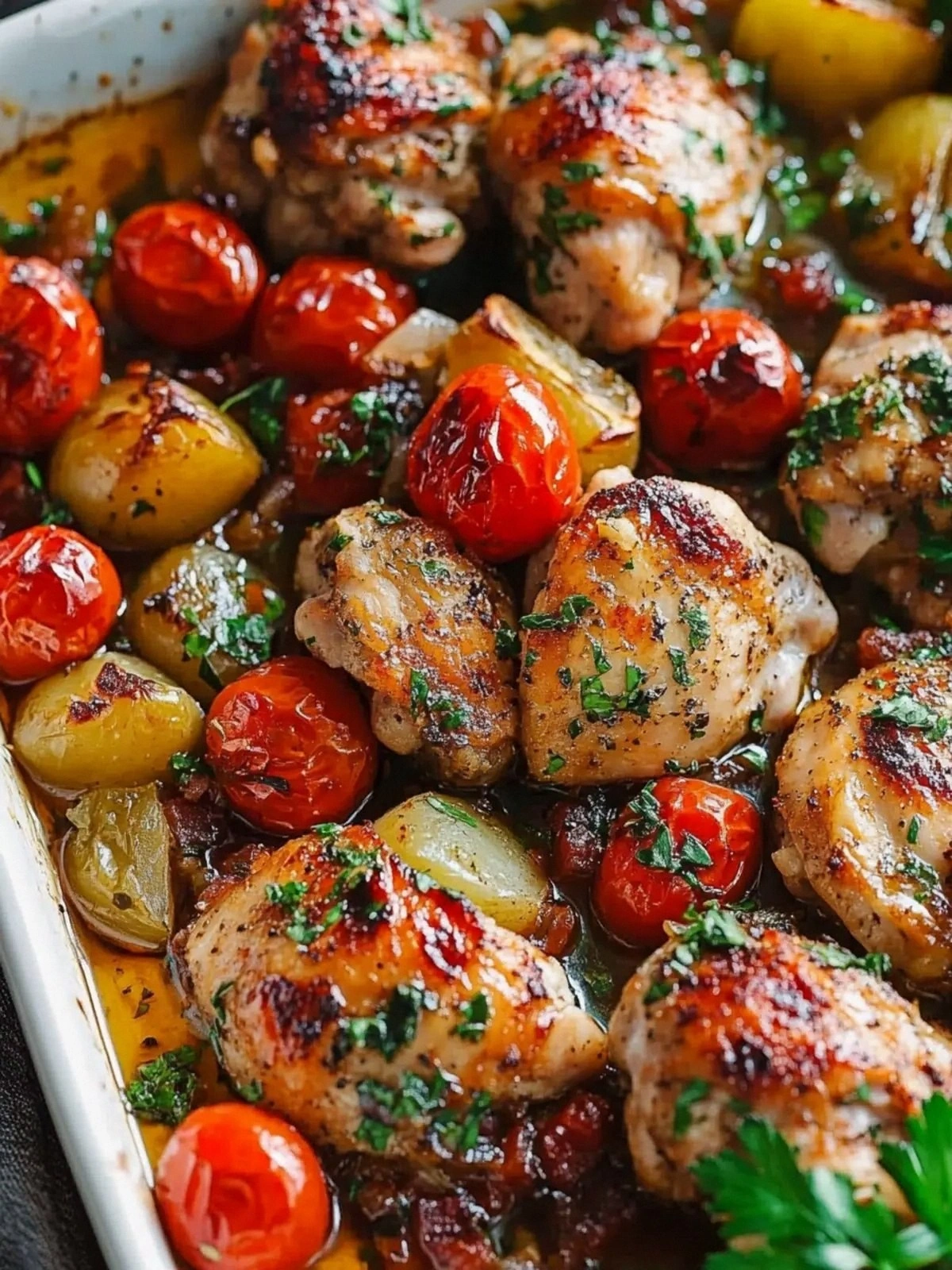
My first bite was a revelation: the skin crackled like a crisp autumn leaf, the interior stayed juicy, and the potatoes turned into golden, buttery pillows that crumbled at the slightest pressure. The roasted red peppers added a subtle sweetness that danced with the briny capers, while the oregano and parsley lifted everything into a Mediterranean sunrise. I dared myself, then dared you, to taste this and not go back for seconds. Most recipes get this completely wrong; they either leave the chicken dry or drown the vegetables in sauce. This version is hands down the best you’ll ever make at home, and I’m here to show you why.
Imagine a dish that feels like a hug from a warm, sun‑kissed balcony, yet can be made in one pan with minimal cleanup. Picture the sizzle that announces the chicken is searing, the aroma of garlic turning to caramel, the potatoes turning from raw to tender in under thirty minutes. If you've ever struggled with balancing flavors in a one‑pan meal, you're not alone—this recipe is designed to fix that. I’ll be honest—I ate half the batch before anyone else got a taste. Stay with me here, because by the end of this post, you’ll wonder how you ever made it any other way.
What Makes This Version Stand Out
**Flavor Fusion:** The combination of olive oil, garlic, roasted red peppers, and capers creates a depth that feels like a Mediterranean sunset in a skillet. **Crispy Skin:** Seared chicken thighs develop a crust that shatters like thin ice, locking in juices that keep the meat moist. **One‑Pan Simplicity:** Everything cooks together, so you spend less time washing dishes and more time enjoying the aroma. **Texture Contrast:** Potatoes go from crunchy to melt‑in‑your‑mouth, while tomatoes burst with fresh sweetness. **Crowd‑Pleaser:** Even the most skeptical diners will find themselves reaching for seconds, as the flavors mingle like old friends. **Ingredient Quality:** Using fresh oregano and parsley elevates the dish beyond supermarket staples. **Make‑Ahead Friendly:** Leftovers reheat beautifully, and the flavors only deepen with time. **Time Efficiency:** Prep takes fifteen minutes, cook takes thirty, and the entire meal is ready in forty‑five minutes.
Inside the Ingredient List
The Flavor Base
Olive oil is the silent hero that binds the flavors together, allowing the garlic to caramelize without burning. It also helps the oregano and parsley release their essential oils, turning a simple herb into a fragrant cloud. Skipping oil would leave the pan dry and risk sticking; the result would be a sad, unevenly cooked dish. For an extra burst of umami, consider adding a splash of dry white wine after searing the chicken; it deglazes the pan and lifts the savory notes.
The Texture Crew
Potatoes are the backbone of this recipe, providing hearty bite and absorbing the sauce. Use Yukon Gold or red potatoes for a buttery interior; russet will become too starchy and mushy. Dice them into even cubes to ensure uniform cooking. If you prefer a crisp edge, parboil them for two minutes before adding to the pan. The tomatoes burst into juice, creating a fresh, bright contrast that cuts through the richness of the chicken and potatoes.
The Unexpected Star
Capers bring a salty punch that elevates the entire dish. Their tiny, briny buds are a concentrated source of flavor; a pinch can replace a tablespoon of salt. If you’re not a fan of capers, try anchovy paste or a small amount of soy sauce, but remember the saltiness will change. The roasted red peppers add a sweet, smoky depth that balances the acidity of the tomatoes and the sharpness of the capers.
The Final Flourish
Fresh oregano and parsley are the finishing touches that add brightness and a hint of earthiness. They should be added in the last few minutes of cooking to preserve their vibrant color and aromatic oils. A sprinkle of lemon zest at the very end can brighten the dish and add a citrusy zing that lifts the heaviness of the olive oil. If you’re craving a touch of heat, a pinch of red pepper flakes will give the dish a subtle kick.
Everything’s prepped? Good. Let’s get into the real action.
The Method — Step by Step
Heat a large cast‑iron skillet over medium heat and add three tablespoons of olive oil. Once the oil shimmers, lay the chicken thighs skin side down. The sizzle that follows is the first cue that the flavor is about to kick in. Let them sear undisturbed for about four minutes, until the skin turns a deep amber. Flip them, and let the other side cook for another three minutes. The chicken should release easily from the pan, indicating a good crust.
While the chicken is browning, toss the diced potatoes into the skillet. Spread them out in a single layer so they roast evenly. The potatoes should sizzle against the hot oil, creating a caramelized exterior. Stir them gently after two minutes to prevent sticking, then return the chicken to the pan. The heat will help the potatoes absorb the savory juices from the chicken.
Add the garlic cloves, smashed but whole, to the pan. They’ll release a subtle, mellow aroma as they cook. Keep an eye on them; garlic can go from fragrant to bitter in seconds. After a minute, add the roasted red peppers and cherry tomatoes. The tomatoes will soften and release their juices, forming a light, flavorful sauce.
Sprinkle the capers, oregano, and parsley over the mixture. The herbs will wilt, releasing their essential oils. This is the moment of truth—if the aromas are bright and the sauce smells toasty, you’re on the right track. Add a pinch of salt and pepper to taste, remembering that the capers already add a salty punch.
Reduce the heat to low, cover the skillet, and let everything simmer for fifteen minutes. The chicken will finish cooking through, while the potatoes will become tender. The sauce will thicken slightly, coating every piece. The lid will trap steam, helping the flavors meld together.
Remove the lid and increase the heat to medium-high. Let the sauce reduce further for five minutes, creating a glaze that sticks to the meat and veggies. The potatoes should be tender but hold their shape, and the chicken should be juicy.
Turn off the heat, and let the dish rest for five minutes. Resting allows the juices to redistribute, ensuring each bite is moist. This is also the time to add a splash of lemon juice or zest if you like a citrusy brightness.
Serve hot, garnished with a handful of fresh parsley and a drizzle of olive oil. Pair with crusty bread or a simple green salad to soak up the sauce. And remember, this dish is meant to be shared—bring the table together and enjoy.
That’s it—you did it. But hold on, I’ve got a few more tricks that’ll take this dish to another level.
Insider Tricks for Flawless Results
The Temperature Rule Nobody Follows
Many cooks skip the searing step, but the high‑heat initial sear is essential for flavor. The Maillard reaction creates deep, caramelized notes that a gentle simmer can’t replicate. Keep the skillet hot until the oil shimmers before adding the chicken; this will lock in juices and give you that coveted crispy skin.
Why Your Nose Knows Best
Trust the aroma of garlic turning to caramel—if it smells like burnt sugar, lower the heat immediately. Your nose is the most reliable indicator of how close you are to burning, and a burnt garlic taste will ruin the entire dish.
The 5‑Minute Rest That Changes Everything
Letting the dish rest after cooking is often overlooked. During rest, the juices redistribute, preventing a dry bite. A friend once skipped the rest and ended up with a dry chicken; it was a hard lesson in patience.
Use a Lid for Even Cooking
Covering the skillet traps steam, ensuring the potatoes cook through without drying out. If you’re short on time, the lid speeds up the process by a few minutes.
Finish with Fresh Herbs
Adding fresh oregano and parsley at the end preserves their bright color and aromatic oils. A pinch of lemon zest or juice at the very end adds a bright counterpoint to the richness.
Creative Twists and Variations
Greek‑Style Upgrade
Swap the roasted red peppers for sun‑dried tomatoes and add a tablespoon of feta cheese on top before serving. The feta will melt slightly, giving a creamy, tangy finish that complements the Mediterranean herbs.
Spicy Moroccan Flair
Incorporate a teaspoon of smoked paprika and a dash of harissa paste. The smoky heat pairs beautifully with the capers, while the paprika adds depth to the sauce.
Vegan Version
Replace chicken thighs with thick slices of marinated tofu. Use coconut oil for searing, and add a splash of tamari for umami. The tofu will soak up the sauce, offering a plant‑based protein punch.
Low‑Carb Twist
Swap potatoes for cauliflower florets, roasted until golden. The cauliflower will absorb the sauce and provide a lighter texture, keeping the dish low in carbohydrates.
This recipe is a playground. Here are some of my favorite ways to switch things up.
Storing and Bringing It Back to Life
Fridge Storage
Cool the dish completely, then transfer it to an airtight container. Store in the refrigerator for up to four days. When reheating, add a splash of water or broth to keep the potatoes from drying out.
Freezer Friendly
Pack the dish in a freezer‑safe bag or container, removing as much air as possible. It will keep for up to two months. Thaw overnight in the refrigerator before reheating.
Best Reheating Method
Reheat in a skillet over medium heat, stirring gently, until the sauce is hot and bubbly. The added water will steam the potatoes back to their original tenderness. Serve immediately for the best flavor.