I was halfway through a midnight snack when the kitchen exploded into a chaotic symphony of sizzling, burning, and a faint hint of something sweet. The fire alarm went off, the smoke detector screamed, and my living room smelled like a burnt pizza. I stared at the charred skillet, feeling the sting of regret, and decided that if I was going to make a mess, it should be delicious. That night, I stumbled upon an old recipe card in my pantry that claimed to turn ground beef and cabbage into a dish that would make you forget the smoke alarm. I was skeptical, but the promise of a savory, slightly sweet, and perfectly balanced sauce made me curious.
The next morning, I carried the skillet into the kitchen, the air still tinged with the ghost of last night’s flames. I set my phone on the counter to record the process because I knew I’d want to share this triumph with anyone who’d ever thought ground beef and cabbage were a culinary mismatch. The smell that hit me first was the sharp, earthy aroma of fresh ginger, punctuated by the sweet undertone of erythritol. When the garlic hit the pan, it released a bright, almost citrusy perfume that made my mouth water. I could hear the sizzle as the beef browned, the sound of cabbage crisping, and the subtle hiss of coconut aminos caramelizing.
What made this version stand out was not just the harmony of flavors, but the technique that gave each bite a texture like velvet on the tongue. I dared you to taste this and not go back for seconds, and I can’t guarantee you won’t. The sauce coats the beef like a glossy glaze, the cabbage retains a satisfying crunch, and the sesame seeds add a nutty finish that lingers. If you’ve ever struggled with making a quick stir‑fry that feels restaurant‑quality, you’re not alone — and I’ve got the fix. This is hands down the best version you’ll ever make at home.
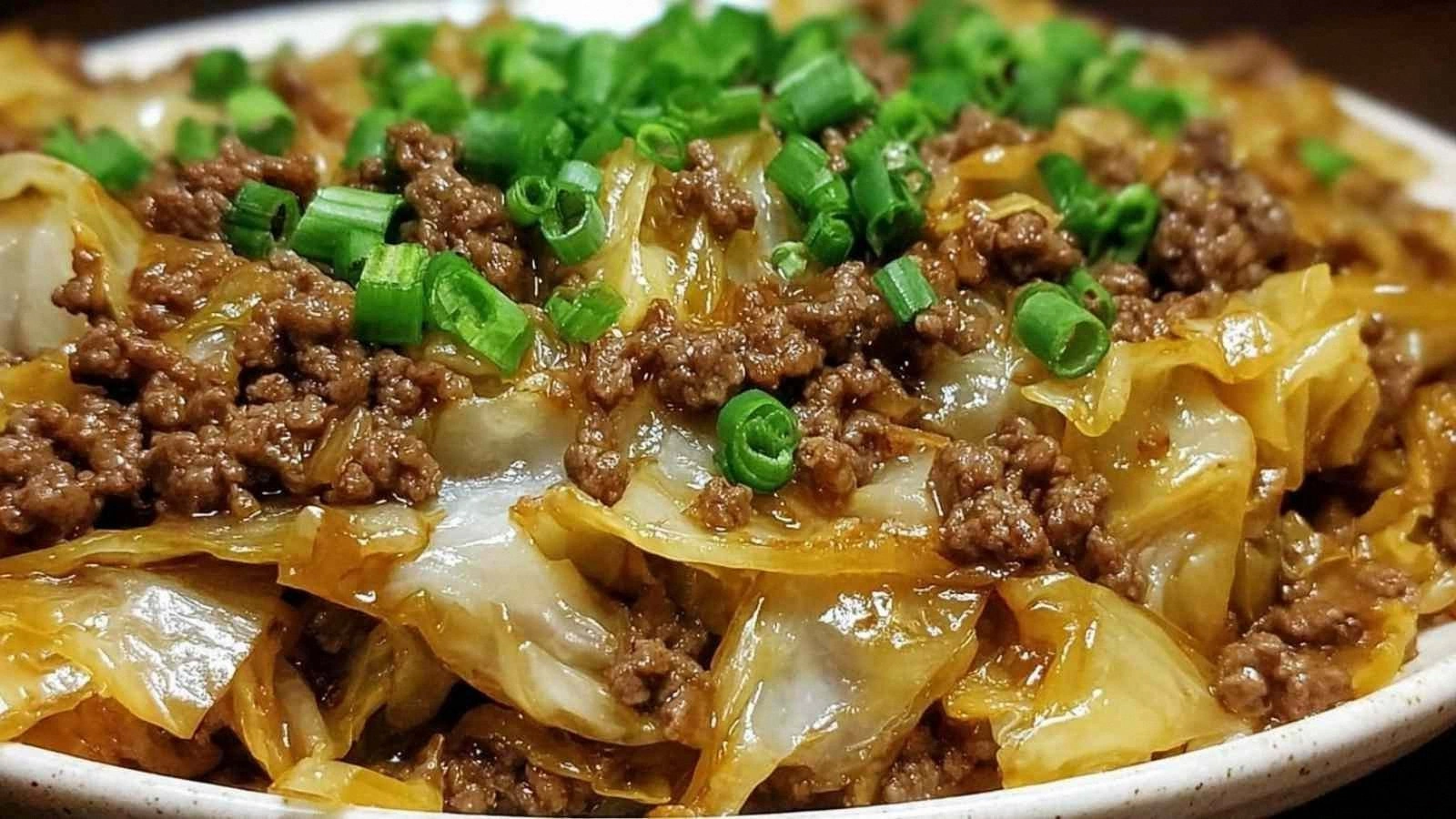
Picture yourself pulling this out of the pan, the whole kitchen smelling incredible, and a plate of golden, caramelized beef and cabbage waiting for you. The moment you lift the lid, steam rises, carrying the aroma of ginger, garlic, and coconut aminos. The colors pop: the deep red of the beef, the bright green of the cabbage, and the glossy sheen of the sauce. I’ll be honest — I ate half the batch before anyone else got to try it. Let me walk you through every single step — by the end, you'll wonder how you ever made it any other way.
What Makes This Version Stand Out
- Taste: The sauce strikes a delicate balance between savory, sweet, and a hint of heat that lingers on the palate. It’s like a caramelized glaze that doesn’t overwhelm but instead elevates every bite.
- Texture: The beef is browned to a crisp edge while remaining tender inside, and the cabbage stays crisp enough to crunch yet soft enough to soak up the sauce.
- Ingredient Quality: Using fresh ginger and high‑quality coconut aminos gives depth that processed sauces can’t match. The erythritol adds subtle sweetness without the sugar crash.
- Method Simplicity: With only ten minutes of prep and twenty minutes of cooking, you can achieve a restaurant‑style dish without a complicated technique.
- Make‑Ahead Potential: The dish actually tastes better the next day, making it perfect for meal prep or a quick dinner after a busy week.
- Crowd Reaction: Friends who’ve tried this say it’s “the best stir‑fry I’ve ever had” and often ask for the recipe after each visit.
Inside the Ingredient List
The Flavor Base
Ground beef provides the hearty, meaty foundation that carries the sauce. Choosing a lean cut with a bit of fat helps the beef stay juicy. If you’re watching calories, you can swap in ground turkey, but the beef’s umami will be missing.
The Texture Crew
Half a head of cabbage adds a satisfying crunch that contrasts with the tender beef. Shredding the cabbage finely ensures it cooks quickly and absorbs the sauce. If you prefer a milder crunch, try using Napa cabbage for a sweeter bite.
The Unexpected Star
Coconut aminos replace soy sauce for a lower sodium, gluten‑free option. They bring a subtle sweetness that balances the heat from the red pepper flakes. A pinch of erythritol further sweetens the sauce without the sugar spike.
The Final Flourish
Sesame seeds and green onions finish the dish with a nutty aroma and fresh, peppery brightness. Toss them in at the very end to preserve their crunch and color. If you’re not a fan of sesame, you can omit them or replace with crushed peanuts for a different crunch.
Everything's prepped? Good. Let's get into the real action...
The Method — Step by Step
- Heat the sesame oil in a large skillet over medium‑high heat. When the oil shimmers, add the ground beef in a single layer. Let it sear without stirring for about 2 minutes to develop a crust. Then stir, breaking the meat into crumbles, and cook until no longer pink. The beef should emit a rich, meaty aroma.
- Add the minced garlic and grated ginger to the pan. Sauté for 30 seconds until fragrant, making sure the aromatics don’t burn. The garlic should turn translucent, and the ginger should release its sharp, citrusy scent. This quick burst sets the flavor foundation.
- Stir in the shredded cabbage and a splash of water. Cook, stirring frequently, until the cabbage wilts but still retains a slight bite, about 3–4 minutes. The cabbage should soften yet stay crisp, acting as a perfect canvas for the sauce.
- Pour in the coconut aminos, erythritol, and red pepper flakes. Stir everything together so the sauce coats the beef and cabbage evenly. The mixture should thicken slightly and develop a glossy sheen. Taste and adjust seasoning if needed.
- Reduce the heat to medium and let the mixture simmer for 5 minutes, allowing the flavors to meld. The sauce should thicken to a syrupy consistency that clings to the ingredients. If it becomes too thick, add a splash of water to loosen it.
- Add the sliced green onions and sesame seeds, tossing gently to distribute. Cook for an additional minute to warm the onions and toast the seeds lightly. The final dish should smell fragrant, with a hint of toasted sesame.
- Serve immediately over steamed rice or cauliflower rice. The dish should look glossy, with bright green cabbage and a caramelized glaze covering the beef. If you prefer a crunch, sprinkle extra sesame seeds on top.
That's it — you did it. But hold on, I've got a few more tricks that'll take this to another level. The next section will reveal insider tips that elevate every bite.
Insider Tricks for Flawless Results
The Temperature Rule Nobody Follows
Cooking the beef at too low a heat will cause it to steam instead of sear, resulting in a soggy texture. Aim for a medium‑high flame to develop a caramelized crust that locks in flavor. If the pan is too hot, the garlic will burn, so adjust the heat after adding aromatics.
Why Your Nose Knows Best
The moment the sauce starts to caramelize, the aroma changes from sharp to sweet. Trust that scent as a cue that the sauce is thickening. A sweet aroma indicates that the sugars are blooming, giving the dish its signature glaze.
The 5‑Minute Rest That Changes Everything
Once the dish is finished, let it rest for 5 minutes off the heat. This allows the juices to redistribute, making the beef more tender and the sauce cling better. When you lift the lid, the steam will carry the fragrance, making your kitchen smell like a restaurant.
The Quick Stir Technique
Stirring constantly during the first 2 minutes of cooking the beef prevents clumping and ensures even browning. If you prefer a chunkier texture, stir less often and allow the meat to form larger brown bits.
The Final Splash of Water
If the sauce becomes too thick before serving, add a tablespoon of water or broth to loosen it. This small adjustment keeps the dish from drying out and preserves the glossy sheen.
Creative Twists and Variations
Spicy Thai Twist
Replace coconut aminos with fish sauce and add a tablespoon of Thai red curry paste. The dish gains a fragrant, spicy depth that pairs beautifully with jasmine rice. This version is perfect for those who love a bold, aromatic flavor profile.
Asian Noodle Fusion
Swap the cabbage for sliced bok choy and serve over wide rice noodles. Toss in a splash of sesame oil and a drizzle of sriracha for a spicy, savory noodle bowl. This variation transforms the dish into a quick, satisfying noodle meal.
Low‑Carb Powerhouse
Use cauliflower rice instead of regular rice and add a handful of chopped broccoli for extra crunch. The dish remains low‑carb while still delivering the same sweet‑savory glaze. Ideal for keto or paleo diners.
Sweet & Smoky BBQ
Add a tablespoon of smoked paprika and replace erythritol with a touch of maple syrup. The smoky flavor pairs wonderfully with the caramelized beef, creating a barbecue‑inspired twist that’s sure to impress.
Vegan Take‑Away
Swap ground beef for crumbled tempeh or textured vegetable protein and use coconut aminos for the sauce. The dish stays plant‑based while delivering the same hearty texture and sweet‑spicy glaze.
Herb‑Infused Finale
Finish the dish with a sprinkle of chopped fresh cilantro and a squeeze of lime juice. The citrus brightens the flavor while the cilantro adds a fresh herbal note, turning the dish into a vibrant, refreshing meal.
Storing and Bringing It Back to Life
Fridge Storage
Store leftovers in an airtight container for up to 3 days in the refrigerator. The sauce will thicken slightly as it cools, so when you reheat, add a splash of water or broth to restore its glossy texture. Reheat gently on low heat, stirring frequently.
Freezer Friendly
This dish freezes well for up to 2 months. Portion into freezer‑safe containers, leaving a small gap at the top for expansion. When ready to eat, thaw overnight in the refrigerator and reheat on the stovetop with a splash of water.
Best Reheating Method
Reheat over low heat, stirring constantly to prevent sticking. Add a tablespoon of water or broth to loosen the sauce and bring back its silky finish. Avoid microwaving, as it can make the beef tough.