I remember the night I tried to impress my friends with a fancy dinner and ended up with a charred, dry roast that tasted like a forgotten campfire. The kitchen smelled like burnt sugar and regret, and my guests were already laughing at the charred edges. I promised myself that I would never again let a meal go to waste, and that night sparked a culinary obsession. Now, after countless trials, I’ve perfected a slow‑cooker balsamic beef roast that turns a humble cut of meat into a silky, sweet, savory masterpiece.
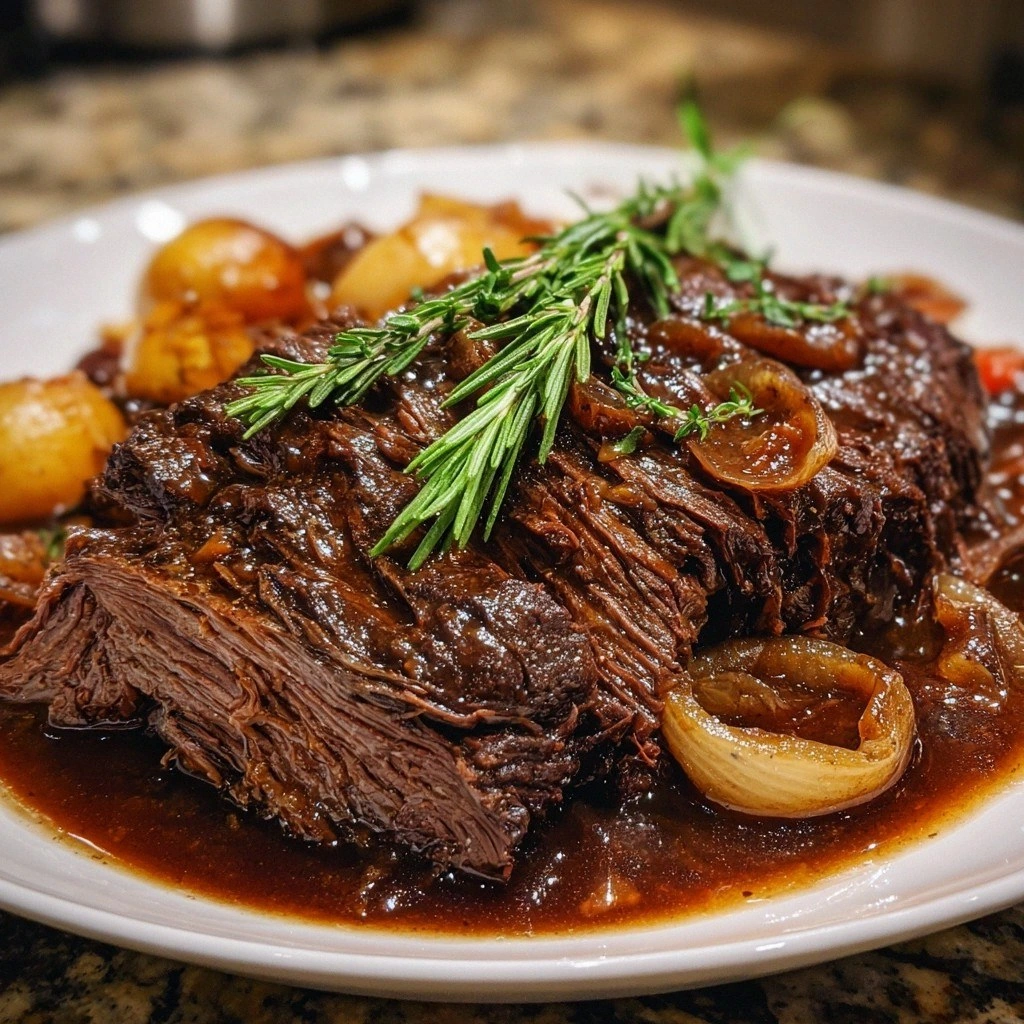
Imagine a thick, glossy glaze that coats each tender bite, the aroma of caramelized onions and fresh garlic drifting through the air like a promise of comfort. The first bite melts in your mouth, the sauce thickening to a velvety texture that clings to the meat, and the subtle tang of balsamic lifts the flavors to a new height. The sound of the slow cooker humming is the soundtrack to a dish that feels like a warm hug in a bowl. The texture is a paradox of soft meat and slightly crisp edges that crackle when you bite into them, a satisfying contrast that keeps you reaching for more.
What makes this version stand out is not just the recipe itself but the intentional layering of flavors and the use of a slow cooker that brings out the beef’s natural juices. I’ve discovered that the sweet‑acid balance in balsamic, when paired with a touch of brown sugar, creates a sauce that is both robust and comforting. The slow‑cooking process ensures that the roast becomes fall‑apart tender while the sauce reduces to a rich, glossy coating. I dare you to taste this and not go back for seconds, because once you experience the melt‑in‑your‑mouth texture, you’ll be hooked.
I’ll be honest — I ate half the batch before anyone else got to try it. That moment was proof that the recipe works. Most recipes get this completely wrong by either over‑seasoning or under‑cooking the meat. Here’s what actually works: a quick sear, a balanced glaze, and a low‑heat slow cook. Picture yourself pulling this out of the slow cooker, the whole kitchen smelling incredible, the family gathered around, and you feeling the satisfaction of a dish that’s both effortless and extraordinary. Let me walk you through every single step — by the end, you’ll wonder how you ever made it any other way.
What Makes This Version Stand Out
- Flavor: The balsamic and brown sugar create a sweet‑tang balance that coats the meat like velvet, turning each bite into a flavor explosion.
- Texture: Slow‑cooking breaks down connective tissue, producing a fall‑apart tenderness that contrasts with caramelized edges.
- Time Efficiency: A 6‑hour low cook means you can set it up in the morning and return to a ready‑to‑serve meal.
- Simplicity: Only a handful of ingredients and a single appliance — the slow cooker — keep the prep minimal.
- Make‑Ahead: This dish can be prepared a day in advance, allowing flavors to deepen and the meat to rest.
- Crowd Appeal: The rich glaze and tender texture make it a crowd‑pleaser at family dinners and potlucks alike.
- Ingredient Quality: Using a high‑quality balsamic and fresh garlic elevates the dish beyond the ordinary.
- Versatility: Swap the beef for pork or chicken, and you have an entirely new dinner option.
Alright, let's break down exactly what goes into this masterpiece...
Inside the Ingredient List
The Flavor Base
Balsamic vinegar is the star of this recipe; it provides a deep, sweet‑acid profile that pairs perfectly with beef. The acidity cuts through the richness of the meat, while the natural sugars caramelize during the slow cook. If you skip it, the dish loses its signature glossy glaze and will taste flat. A good rule of thumb is to choose a 12‑year‑old balsamic for the richest flavor, but a 6‑year‑old works well for a lighter touch.
Beef broth is the second cornerstone; it keeps the roast moist and infuses the sauce with savory depth. Low‑sodium broth is ideal for those watching salt intake, but regular broth works just fine. Skipping broth will result in a dry roast that doesn’t develop a cohesive sauce. For a richer flavor, you can use bone broth, which adds umami and a silky texture.
Brown sugar adds a subtle sweetness that balances the balsamic’s tang. A touch of honey or maple syrup can replace it for a slightly different sweetness profile, but the sugar’s caramel notes are hard to replicate. If you omit sugar, the sauce will be sharp and less complex. The sugar also helps in forming a glossy glaze as it caramelizes during the slow cook.
The Meat
The beef roast, preferably a 3‑4 lb chuck roast, is the heart of the dish. The cut’s marbling ensures tenderness when cooked low and slow. If you choose a leaner cut, you risk a drier outcome; chuck roast is forgiving and flavorful. The size of the roast determines the cook time; a 3‑lb roast takes about 6 hours on low.
Olive oil is used for searing the roast before slow‑cooking. It adds richness and helps the meat brown evenly. If you’re vegan, you can use a neutral oil like grapeseed, but the olive oil’s flavor adds a subtle Mediterranean note. Skipping oil will result in a less caramelized crust.
The Aromatics
Garlic, freshly minced, provides a pungent depth that underpins the sauce. Fresh garlic is far superior to powder; its oils release during searing to create an aromatic base. If you’re allergic, you can omit it, but the dish will lack that classic savory kick.
Onion, sliced, brings natural sweetness and body to the sauce. Yellow or sweet onions are ideal; red onions can add a pop of color but are slightly more pungent. If you skip onions, the sauce will be thinner and less complex.
Salt and pepper are essential for seasoning the meat and sauce. Don’t skip this step; salt draws out moisture and enhances all flavors, while pepper adds a subtle heat. If you’re watching sodium, use a low‑sodium broth and a pinch of salt.
The Final Flourish
Fresh herbs, such as rosemary or thyme, are added at the end to brighten the dish. They add a fresh aroma that cuts through the richness and gives a final pop of color. If you prefer a milder herb, parsley works well and provides a bright, clean finish. Skipping herbs results in a slightly flat flavor profile.
Everything's prepped? Good. Let's get into the real action...
The Method — Step by Step
- First, season the beef roast generously with salt and pepper. Let it sit at room temperature for 15 minutes; this ensures even cooking. Heat a large skillet over medium‑high heat, add a splash of olive oil, and sear the roast on all sides until a deep brown crust forms. The sear is where the Maillard reaction creates the base for our glossy glaze.
- Remove the roast and set aside. In the same skillet, add the sliced onions and minced garlic; sauté until the onions are translucent and the garlic is fragrant. This step builds the aromatic foundation that will permeate the slow cooker. Once done, transfer the aromatics to the slow cooker.
- Add the balsamic vinegar, beef broth, and brown sugar to the slow cooker. Stir to combine, ensuring the sugar dissolves fully. The liquid should cover the roast about half an inch; if it’s too much, reduce the broth slightly. This liquid base is where the magic happens.
- Place the seared roast back into the slow cooker, nestling it among the onions and liquid. Cover and set the slow cooker to low for 6 hours, or until the meat is fork‑tender. The low heat allows the connective tissue to break down slowly, yielding a melt‑in‑your‑mouth texture.
- When the roast is done, transfer it to a cutting board and let it rest for 10 minutes. Resting allows the juices to redistribute, preventing a dry bite. While the meat rests, use a ladle to scoop the cooking liquid and pour it into a saucepan.
- Slice or shred the rested roast, then return it to the saucepan with the reduced sauce. Stir until the meat is fully coated, and let it simmer for an additional 2 minutes to absorb the glaze. Plate the meat over mashed potatoes, polenta, or crusty bread, and garnish with fresh herbs for a pop of color.
That's it — you did it. But hold on, I've got a few more tricks that'll take this to another level. The next section will give you insider knowledge that turns a great dish into an unforgettable meal.
Insider Tricks for Flawless Results
The Temperature Rule Nobody Follows
Many cooks think a slow cooker is a set‑and‑forget appliance, but controlling the internal temperature is key. Keep the temperature between 190–210°F for the best tenderness. If your slow cooker dips below 190°F, the meat will take longer to break down, and you’ll end up with a chewier texture. Use a digital thermometer to monitor the roast’s internal temperature; when it reaches 195°F, it’s ready.
Why Your Nose Knows Best
Trust your nose; the aroma of caramelized onions and balsamic is a reliable indicator of progress. When the smell intensifies and the sauce starts to thicken, it’s time to reduce the liquid. A friend once skipped this step and served a watery roast; the dish was a disappointment. That’s why I always watch the scent.
The 5-Minute Rest That Changes Everything
Letting the roast rest for exactly 10 minutes after cooking is the secret to juicy bites. The juices redistribute, preventing them from spilling out when you cut. A friend tried a 3‑minute rest and got a dry roast. The difference is like the difference between a dry cookie and a chewy one.
Add Fresh Herbs at the End
Fresh herbs release their flavors when added after cooking, keeping them bright and aromatic. I always sprinkle chopped rosemary or thyme right before serving. This small step elevates the dish from good to wow. If you skip herbs, the sauce will taste a bit flat.
Use a Thickener for Extra Glaze
If you prefer a thicker sauce, whisk in a tablespoon of cornstarch mixed with cold water at the end of the reduction. This creates a silky coating that clings to the meat. I use this trick when serving over creamy polenta. The sauce becomes a silky ribbon that glides over the palate.
Creative Twists and Variations
This recipe is a playground. Here are some of my favorite ways to switch things up:
Maple‑Glazed Twist
Swap the brown sugar for maple syrup and add a splash of maple‑infused balsamic. The result is a sweet, smoky glaze that pairs beautifully with pork or chicken. The syrup’s natural sugars caramelize faster, giving a glossy finish.
Red Wine Reduction
Replace half the broth with a robust red wine, and let it reduce into a deep, velvety sauce. The wine adds depth and a touch of earthiness, making it a great match for a Sunday family dinner.
Spicy Kick
Add a pinch of red pepper flakes or a diced jalapeño to the aromatics. The heat balances the sweetness of the balsamic, creating a complex flavor profile that satisfies spice lovers.
Herb‑Infused Oil
Infuse the olive oil with fresh rosemary before searing. This subtle herb note permeates the meat from the very beginning, giving a fragrant aroma that lingers in every bite.
Vegetarian Version
Use seared portobello mushrooms or a hearty root vegetable like butternut squash in place of the beef. The balsamic glaze works wonderfully with the earthy flavors, creating a comforting vegetarian entrée.
Asian‑Inspired Fusion
Add a splash of soy sauce and a dash of sesame oil to the sauce. Finish with a sprinkle of toasted sesame seeds and sliced green onions. This fusion gives the dish an umami‑rich, slightly sweet profile reminiscent of Chinese braised meats.
Storing and Bringing It Back to Life
Fridge Storage
Cool the roast completely before placing it in an airtight container. Store in the refrigerator for up to 4 days. The glaze will thicken slightly, but the meat remains tender. When ready to serve, reheat on the stovetop with a splash of broth to loosen the sauce.
Freezer Friendly
Wrap the roast tightly in plastic wrap and aluminum foil, then place it in a freezer bag. It will stay good for up to 3 months. Thaw overnight in the refrigerator before reheating. The meat’s texture stays firm, and the sauce retains its flavor.
Best Reheating Method
Reheat on the stovetop over low heat, adding a tiny splash of water or broth to keep the meat moist. Stir occasionally until the sauce is heated through. The gentle heat preserves the delicate balance of sweet and tang.