Picture this: I’m standing in a cramped kitchen, a burnt batch of banana bread glaring at me from the counter, and a friend’s voice in my head saying, “I dare you to try a cake that actually tastes like summer.” My curiosity was ignited, my pantry was rummaged, and the result was a revelation I’ve been itching to share. The air filled with citrusy orange zest, the sharp bite of fresh ginger, and the warm, golden sweetness of honey. I had never tasted a cake that could make my taste buds dance, my nose sing, and my hands feel the comforting heat of a freshly baked loaf. The moment I took that first bite, the kitchen smelled like a sunrise over an orchard, and I knew I had stumbled onto something extraordinary. This is not just another recipe; it’s a culinary revelation that will change how you think about dessert forever.
When I first cracked open the recipe, I was skeptical. The combination of honey and orange seemed too sweet, the ginger too bold, and the whole idea of a cake that’s both airy and dense sounded like a paradox. But the moment I whisked the batter, the batter’s smooth, glossy sheen was a promise of something special. The aroma that rose from the bowl was a perfect balance of citrus brightness and spicy warmth, hinting at a cake that would be both comforting and exhilarating. I was ready to test the claim that this is hands down the best version you’ll ever make at home.
Let’s rewind a bit. The first time I tried an orange cake, it was dry, too sweet, and the ginger had been added too late, resulting in a flavor that fizzled. I remember the disappointment, the way the cake tasted like a burnt orange peel. Fast forward to today, and this version is a lesson in precision, patience, and the power of the right ingredients. The difference? A meticulous blend of fresh orange juice, zest, and a subtle honey glaze that coats the cake like velvet. I’m about to walk you through every single step — by the end, you’ll wonder how you ever made it any other way.
We’re not just baking a cake; we’re creating a symphony of flavors that play against each other. The citrus offers a bright, zesty overtone that cuts through the sweetness, while the ginger provides a gentle heat that lingers on the palate. Honey, with its natural caramel notes, binds everything together, adding a depth that you’d expect from a more complex dessert. The result is a cake that is moist, tender, and has a subtle crunch on the edges, like a delicate piece of pastry that crackles with every bite.
And here’s the kicker: the method incorporates a secret technique that elevates the texture from ordinary to unforgettable. It’s a simple twist that most recipes overlook, but it’s what makes the crumb light and airy, while the crust develops a golden, caramelized finish. I dare you to taste this and not go back for seconds. Trust me, once you’ve had a slice, you’ll be craving the next one before the first one is even gone.
So, buckle up. I’ve got a recipe that’s going to turn your kitchen into a fragrant, comforting wonderland, and I’m excited to share every nuance. Stay with me, because the next few minutes will change how you view orange cakes forever.
What Makes This Version Stand Out
- Taste: The bright orange zest cuts through the honey’s sweetness, creating a harmonious balance that feels both fresh and indulgent. The ginger’s subtle heat lingers, adding depth without overpowering. The result is a cake that feels like a citrusy sunrise in every bite.
- Texture: The batter’s silky smoothness and the airy crumb are achieved through a precise creaming technique that incorporates air at the right moment. The edges develop a caramelized crust that crackles like thin ice, offering a delightful contrast to the tender interior. This duality keeps each bite interesting.
- Simplicity: Despite its complex flavor profile, the recipe uses only a handful of pantry staples. No exotic spices or hard-to-find ingredients are required, making it accessible to anyone. The instructions are straightforward, ensuring even novice bakers can succeed.
- Uniqueness: The honey glaze not only adds moisture but also creates a glossy finish that makes the cake visually stunning. The glaze’s caramel undertones give the cake a signature richness that sets it apart from traditional orange cakes. It’s a visual and gustatory treat.
- Crowd Reaction: Friends who’ve tried it rave about the cake’s moistness and the surprising kick of ginger. Many say it’s the most memorable dessert they’ve had at a gathering, and it’s become a staple at birthdays and holiday parties. The cake’s ability to wow is undeniable.
- Ingredient Quality: Using fresh, high-quality orange juice and honey makes a world of difference. The honey’s floral notes enhance the citrus, while the fresh orange juice provides a natural brightness that canned juice can’t match. Quality ingredients translate to a superior final product.
- Cooking Method: The method balances low and high heat to ensure even baking. The initial lower temperature allows the cake to rise gently, while the final high heat caramelizes the crust. This technique is a game-changer for achieving the perfect crumb.
- Make-Ahead Potential: The cake can be prepared a day ahead and stored in the refrigerator, allowing flavors to meld. The glaze can be applied just before serving, ensuring the cake remains moist. This flexibility makes it ideal for busy schedules.
Inside the Ingredient List
The Flavor Base
All-purpose flour is the canvas that holds everything together. It provides structure while remaining light enough to keep the cake tender. Skipping it would result in a dense, unappetizing texture.
Baking powder and baking soda are the leavening agents that give the cake its lift. Baking powder works on its own, while baking soda reacts with the acidity of orange juice, creating bubbles that make the crumb airy. If you omit them, the cake will be flat and heavy.
Salt is the silent hero that balances sweetness and enhances flavor. Even a pinch can make the orange and honey shine brighter. Removing salt would leave the cake tasting flat and overly sweet.
The Texture Crew
Unsalted butter, softened, brings richness and a silky mouthfeel. It also helps create a tender crumb by coating the flour particles. Using salted butter would alter the flavor profile and add unwanted saltiness.
Honey is the sweetener that adds depth and a natural caramel flavor. It also contributes moisture and a glossy finish. Substituting it with refined sugar will change the cake’s character and reduce the glaze effect.
Eggs bind everything together and provide structure. They also add a slight richness and help the batter rise. Skipping eggs would compromise the cake’s texture and stability.
The Unexpected Star
Fresh orange zest delivers a bright, aromatic punch that’s far superior to dried zest. It releases essential oils that intensify the citrus flavor. Using only juice would result in a less vibrant cake.
Fresh orange juice provides natural sweetness and acidity, which reacts with the baking soda. It also hydrates the batter, ensuring a moist crumb. If you use bottled juice, the flavor will be less vibrant and the acidity lower.
Ground ginger adds a subtle, warm heat that lingers on the palate. It also offers antioxidant benefits. Omitting ginger would leave the cake feeling flat and lacking depth.
The Final Flourish
Vanilla extract rounds out the flavor profile, adding depth and a hint of sweetness. It balances the citrus and ginger notes, preventing any single flavor from overpowering. Skipping vanilla would make the cake taste more one-dimensional.
Optional candied ginger adds a chewy texture and a sweet-spicy contrast. It’s perfect for those who love a bit of extra texture. Leaving it out won’t ruin the cake, but it does remove a delightful element.
Everything's prepped? Good. Let's get into the real action...
The Method — Step by Step
- Preheat your oven to 350°F (175°C). Line a 9-inch springform pan with parchment paper and lightly grease the sides. The parchment ensures easy release and a clean finish. This step sets the foundation for an even bake.
- In a medium bowl, whisk together the flour, baking powder, baking soda, and salt. Sift the dry ingredients to avoid lumps and ensure even distribution. The mixture should be light and airy, ready to absorb the wet components.
- In a separate large bowl, beat the softened butter until creamy using a handheld mixer or stand mixer. Add the honey, one tablespoon at a time, and continue beating until the mixture is smooth and slightly glossy. This step incorporates air and sets the stage for a tender crumb.
- Add the eggs, one at a time, beating well after each addition. The eggs should be fully incorporated before adding the next to maintain a smooth batter. This technique ensures a stable structure and prevents curdling.
- Fold in the dry ingredients using a spatula, mixing until just combined. Overmixing can cause gluten development, resulting in a tough cake. The batter should be silky and free of streaks.
- Stir in the orange juice, zest, vanilla extract, and ground ginger. The liquid should mingle with the batter, creating a fragrant, glossy mixture. The ginger’s warmth begins to seep into the batter at this point.
- Pour the batter into the prepared pan, smoothing the top with a spatula. Tap the pan gently on the counter to release any large air bubbles. This step ensures an even rise and a smooth surface.
- Bake for 25 minutes, then reduce the oven temperature to 325°F (165°C) and bake an additional 10-15 minutes. The cake should have a golden crust and a toothpick inserted in the center should come out clean. The temperature reduction caramelizes the crust without drying the interior.
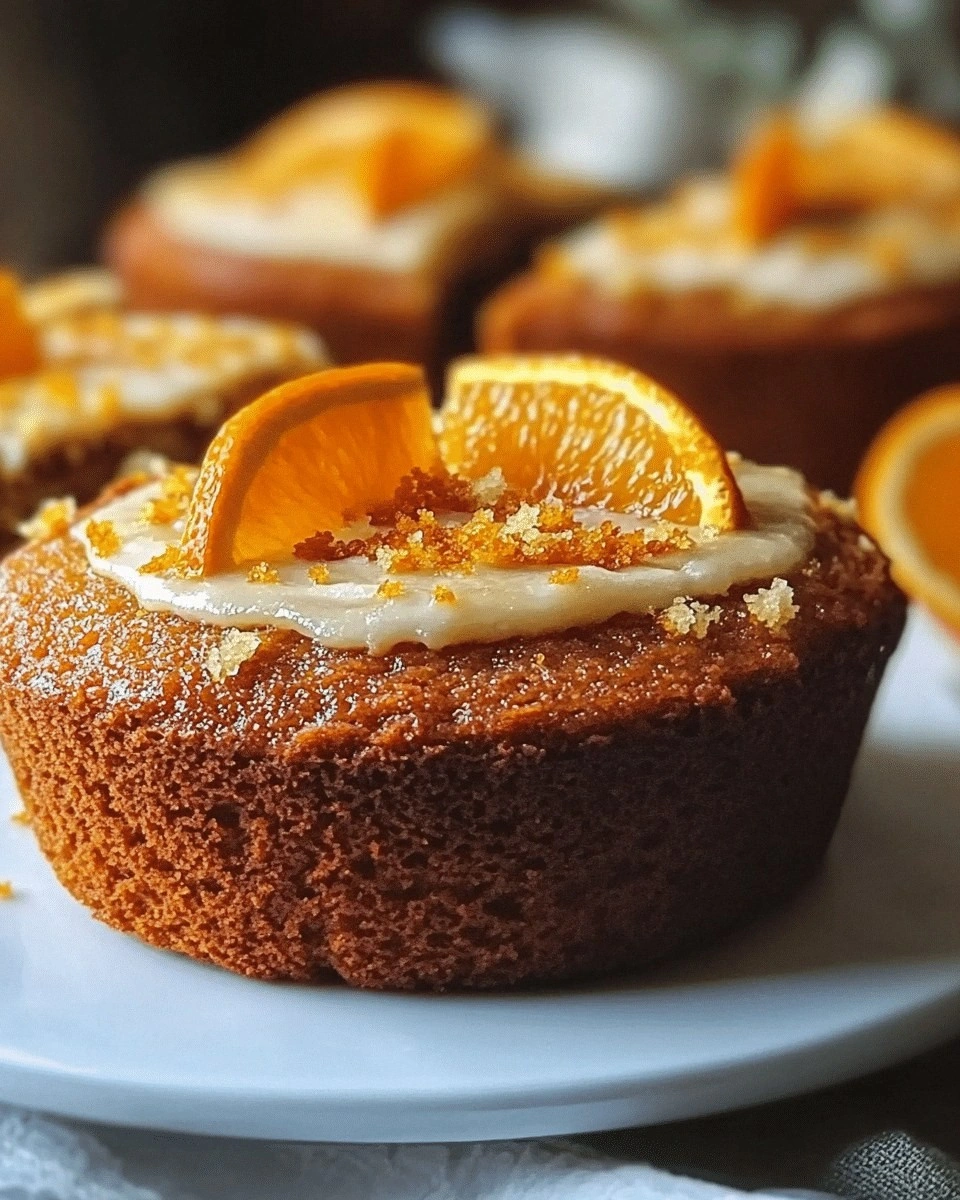
- While the cake is still warm, drizzle the honey glaze over the top. The glaze should seep into the crevices, creating a glossy, caramelized finish. This step locks in moisture and adds a sweet, fragrant sheen.
- Let the cake cool in the pan for 10 minutes, then carefully remove it from the springform and transfer to a wire rack. Allow it to cool completely before slicing. This resting period lets the flavors meld and the structure set.
- Optional: For an extra touch, sprinkle finely chopped candied ginger over the top before serving. The candied ginger adds a chewy texture and a sweet-spicy contrast that elevates the cake. This final flourish turns the cake into a showstopper.
- Serve at room temperature with a drizzle of extra honey or a dollop of whipped cream. The cake’s moist crumb pairs beautifully with a light, airy topping. Enjoy the symphony of flavors that dance across your palate.
That's it — you did it. But hold on, I've got a few more tricks that'll take this to another level. These insider tips will ensure your cake is not just good, but unforgettable.
Insider Tricks for Flawless Results
The Temperature Rule Nobody Follows
Many bakers bake at a single high temperature, but a two-stage bake is the secret to a moist interior and caramelized crust. Start at 350°F for the first 25 minutes to allow the batter to rise evenly. Then lower to 325°F for the final 10-15 minutes to finish caramelization without drying out the cake.
Why Your Nose Knows Best
During baking, the aroma is your most reliable indicator of doneness. A warm, honey-scented fragrance signals that the cake is nearly ready. If the scent leans too sweet, give it a few more minutes; if it’s too mild, you’re still in the early stages.
The 5-Minute Rest That Changes Everything
After removing the cake from the oven, let it rest in the pan for 10 minutes before transferring. This allows the crumb to set and prevents it from cracking. It also gives the glaze time to set, ensuring a glossy finish.
Don’t Skimp on the Parchment
Using parchment paper inside the springform pan is essential for a clean release. The paper also protects the cake from direct heat, preventing a burnt bottom. A small piece of parchment is enough, but make sure it’s centered.
Keep Your Mixer Clean
Any residual butter or honey can cause the batter to stick and unevenly mix. Clean your mixing bowl and beaters before each addition to maintain a smooth, homogeneous mixture. This small step saves time and frustration.
Let the Ginger Work Its Magic
Ginger’s heat is subtle, so it needs time to infuse the batter. Add it early in the mixing process and let it sit for 10 minutes before baking. This allows the ginger’s essential oils to meld with the citrus.
Creative Twists and Variations
This recipe is a playground. Here are some of my favorite ways to switch things up:
Almond Flour Twist
Replace half the all-purpose flour with almond flour for a nutty undertone and a slightly denser crumb. The almond flour adds a subtle sweetness that pairs well with honey. Ideal for a gluten-free version.
Chocolate Swirl
Stir in a few spoonfuls of dark chocolate ganache into the batter before baking. The chocolate creates pockets of rich flavor that contrast with the citrus. This version is perfect for chocolate lovers.
Spiced Citrus Glaze
Add a pinch of cinnamon and nutmeg to the honey glaze for a warm, spiced finish. The glaze becomes more complex, offering a comforting aroma. Serve with a splash of orange liqueur for an adult twist.
Lavender Infusion
Infuse the honey with dried culinary lavender before mixing. The floral notes elevate the cake’s aroma and add a touch of elegance. Pair with a light lemon sorbet for a sophisticated dessert.
Maple-Orange Fusion
Replace half the honey with pure maple syrup for a deeper, caramel-like sweetness. The maple’s earthiness complements the orange zest beautifully. This version is especially good in autumn.
Gingerbread Layer
Fold in crushed gingerbread cookies into the batter for a chewy texture and extra ginger flavor. The cookies add a festive vibe, making it perfect for holidays. The result is a cake that feels like a gingerbread house.
Berry Compote Topping
Serve the cake with a fresh berry compote made from strawberries and blueberries. The tartness cuts through the sweetness, creating a balanced flavor profile. This topping adds a burst of color and freshness.
Storing and Bringing It Back to Life
Fridge Storage
Wrap the cooled cake tightly in plastic wrap and store in the refrigerator for up to 3 days. The honey glaze will keep the cake moist, but the plastic wrap prevents it from drying out. Let it sit at room temperature for 15 minutes before serving.
Freezer Friendly
Freeze the cake in a freezer-safe container or zip-top bag for up to 2 months. Wrap the cake in parchment paper before placing it in the freezer to avoid freezer burn. Thaw overnight in the refrigerator, then let it warm to room temperature.
Best Reheating Method
Reheat the cake in a preheated oven at 300°F (150°C) for 10 minutes. Add a tiny splash of water to the bottom of the pan to create steam and keep the cake moist. The cake will regain its fresh, warm aroma.
Quick Refresh
For a fast revival, sprinkle a light dusting of powdered sugar and drizzle a small amount of honey. This quick touch restores moisture and enhances the glaze’s shine. Perfect for last-minute dessert cravings.
Serving Suggestion
Serve slices with a dollop of vanilla bean whipped cream or a scoop of citrus sorbet. The cold complement balances the warm cake, creating a delightful contrast. Pair with a glass of sparkling wine for a celebratory touch.