It was a Saturday afternoon, the kind where the kitchen feels like a stage and your pantry is the audience. I was rummaging through the fridge, looking for something that could turn a simple Sunday lunch into a memorable feast, when I pulled out a handful of fresh asparagus, bright carrots, and a couple of zucchini that had been sitting there for a week, waiting for the right moment. The moment arrived when my roommate dared me to make something that would make her taste buds do a double-take, and I, being the culinary daredevil I am, decided to turn those humble vegetables into a show‑stopping dish. I set the oven to 425°F, tossed the veggies in olive oil, and sprinkled them with a pinch of salt and pepper, imagining the aroma that would soon fill the kitchen. The sizzle when they hit the hot pan was absolute perfection—an instant promise of the crisp edges that shatter like thin ice.
This isn’t just another roasted vegetable recipe. It’s a symphony of flavors and textures that dance together in harmony. The crunch of the carrots meets the tender bite of asparagus, while the gentle sweetness of zucchini and the peppery bite of bell pepper create layers of depth. The mustard vinaigrette—made with Dijon, honey, and a splash of lemon—coats each bite like velvet, turning every mouthful into a revelation. I dare you to taste this and not go back for seconds, because the first bite will have you convinced that this is hands down the best version you'll ever make at home. I’ll be honest—my taste buds were already in a state of bliss when I plated the first serving, and I ate half the batch before anyone else got a chance.
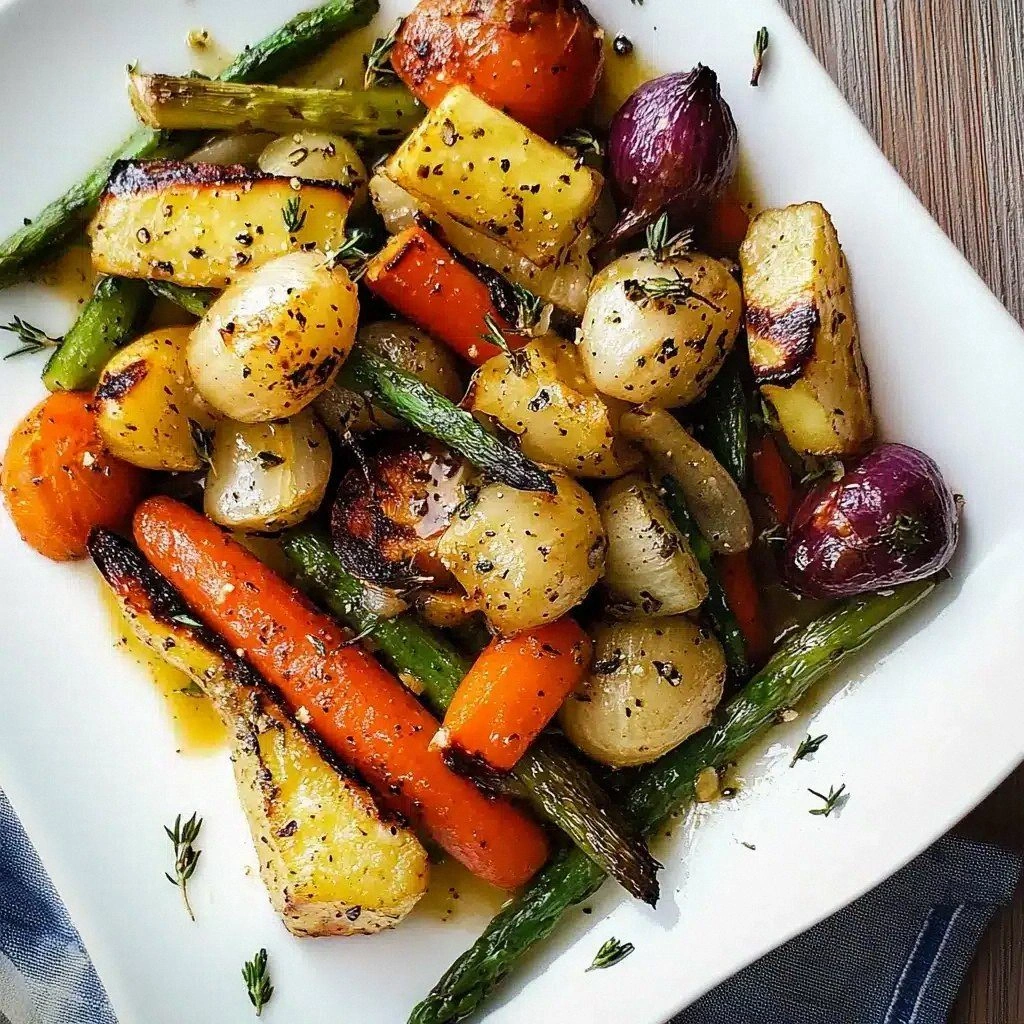
Most recipes get this completely wrong by over‑cooking the vegetables or under‑seasoning them, resulting in a bland, mushy side dish. Here, the balance is achieved through precise timing, a simple yet powerful vinaigrette, and a few kitchen hacks that elevate the dish from good to unforgettable. Picture yourself pulling this out of the oven, the whole kitchen smelling incredible, the colors of the vegetables popping against the white plate, and the sound of the first bite echoing the crunch of fresh spring produce. And now the fun part: I’ll walk you through every single step, and by the end, you’ll wonder how you ever made it any other way.
The secret sauce here isn’t just the mustard; it’s the way the ingredients interact. The vegetables are roasted at a high temperature to caramelize their natural sugars, while the vinaigrette adds a bright, tangy finish that lifts the dish. The freshness of the herbs, the slight heat from the pepper, and the subtle sweetness of honey create a flavor profile that’s both comforting and adventurous. If you've ever struggled with roasted veggies that come out soggy or bland, you're not alone—and I've got the fix. Let’s dive in.
What Makes This Version Stand Out
- Flavor: The mustard vinaigrette transforms ordinary veggies into a vibrant, palate‑pleasing dish that feels like a gourmet creation.
- Texture: High‑heat roasting creates caramelized edges while keeping the inside tender, giving each bite a satisfying contrast.
- Simplicity: With just a handful of pantry staples and fresh produce, you can whip up a restaurant‑level side in less than an hour.
- Uniqueness: The combination of spring vegetables and a honey‑mustard glaze sets this recipe apart from the usual roasted veggie lineup.
- Crowd Reaction: Friends and family will be amazed by the depth of flavor, and you’ll become the go-to host for any gathering.
- Ingredient Quality: Using the freshest produce available ensures that the natural sweetness and crispness shine through.
- Cooking Method: The single‑layer roasting technique guarantees even cooking and maximum caramelization.
- Make‑Ahead Potential: The dish can be prepared a day ahead and reheated without losing its crunch or flavor.
Alright, let's break down exactly what goes into this masterpiece...
Inside the Ingredient List
The Flavor Base
The heart of this dish lies in the mustard vinaigrette, a simple mixture of Dijon mustard, honey, lemon juice, and olive oil. Dijon adds a subtle heat that cuts through the sweetness of the honey, while the lemon juice brightens the entire flavor profile. If you’re allergic to mustard, a dash of whole grain mustard will give you a similar tang without the heat. The vinaigrette is made just before serving to keep it fresh and vibrant, ensuring each bite is coated with a glossy, flavorful glaze.
The Texture Crew
Asparagus, carrots, broccoli, zucchini, bell pepper, and peas form the texture crew that brings variety to every forkful. Asparagus offers a firm bite that holds up well under high heat, while carrots provide a natural sweetness that caramelizes beautifully. Broccoli florets add a subtle crunch, zucchini contributes moisture and a tender bite, bell pepper gives a juicy pop, and peas bring a burst of sweet green that balances the dish. Skipping any of these will alter the overall experience, but the dish remains delicious even if you only have a few of the vegetables on hand.
The Unexpected Star
Fresh herbs—parsley and chives—are the unexpected stars that finish the dish with a burst of brightness. Parsley adds a fresh, slightly peppery note, while chives bring a mild onion flavor that lifts the entire plate. If you can’t find fresh herbs, dried ones work in a pinch, but you’ll lose some of the vibrant freshness that makes this dish feel alive. The herbs are added after roasting to preserve their bright color and delicate flavor.
The Final Flourish
A drizzle of extra virgin olive oil before roasting seals in moisture, while a pinch of salt and pepper ensures that every bite is seasoned to perfection. The olive oil also helps the vinaigrette cling to the vegetables, creating a glossy coating that’s as pleasing to the eye as it is to the palate. If you’re watching calories, you can reduce the olive oil slightly, but the texture will suffer a bit. The final flourish is the moment the dish comes together—colorful, aromatic, and ready to impress.
Everything's prepped? Good. Let's get into the real action...
The Method — Step by Step
- Preheat your oven to 425°F (220°C) and line a large baking sheet with parchment paper or a silicone mat. This high heat will caramelize the natural sugars in the veggies, giving them a sweet, crisp finish. While the oven warms, gather all your ingredients so you’re not scrambling at the last minute. The aroma of fresh produce is already starting to tease your senses.
- Wash, trim, and cut the vegetables. Slice the asparagus into bite‑sized pieces, peel and shred the carrots, break the broccoli into florets, slice the zucchini into half‑moon shapes, dice the bell pepper, and rinse the peas. The goal is to create uniform pieces that cook evenly. If you’re short on time, you can buy pre‑cut veggies, but fresh cuts always bring out better flavor.
- In a large mixing bowl, combine all the vegetables. Drizzle with 2 tablespoons of extra‑virgin olive oil, sprinkle 1 teaspoon of salt and ½ teaspoon of black pepper, and toss until every piece is coated. The oil not only adds flavor but also helps the veggies brown. If you want an extra crunch, sprinkle a tablespoon of cornstarch over the vegetables before tossing; this creates a light, crispy coating.
- Spread the vegetables in a single, even layer on the prepared baking sheet, ensuring that no pieces overlap. Overcrowding will cause the veggies to steam instead of roast, resulting in a soggy texture. Place the sheet in the preheated oven and roast for 20 minutes. Flip the vegetables halfway through to promote even caramelization.
- While the veggies are roasting, whisk together 2 tablespoons of Dijon mustard, 1 tablespoon of honey, 2 tablespoons of fresh lemon juice, ½ teaspoon of salt, ¼ teaspoon of pepper, and 1 tablespoon of olive oil in a small bowl or jar with a lid. Whisk until the mixture is smooth and glossy. If you’re in a hurry, use a jar with a lid and give it a quick shake to combine the ingredients.
- When the vegetables are done, remove the sheet from the oven and let them rest for about 5 minutes. This brief pause allows the steam to dissipate and the flavors to settle. Drizzle the mustard vinaigrette over the hot vegetables, then toss gently to coat evenly. Sprinkle chopped parsley and chives over the top for a fresh burst of color and flavor.
- Serve immediately while the veggies are still warm and crisp. If you’re plating for a crowd, arrange the vegetables in a colorful fan or stack them in a bowl for a rustic look. Pair this dish with crusty bread or a light protein like grilled chicken or tofu for a complete meal. The dish is also great as a side at a barbecue or potluck, where its bright flavors will stand out among heavier fare.
That's it — you did it. But hold on, I've got a few more tricks that'll take this to another level. These insider tips will help you perfect the dish every time, whether you’re cooking for a crowd or just for yourself.
Insider Tricks for Flawless Results
The Temperature Rule Nobody Follows
Many people set their ovens to 400°F, which is fine, but the secret to caramelization is that higher heat. 425°F or even 450°F will give you a deeper golden color and a crunch that’s hard to beat. The downside? You have to watch the vegetables closely to prevent burning. If you’re unsure about your oven’s accuracy, use an oven thermometer to double‑check the temperature. A slightly higher heat also means a shorter cooking time, freeing up your kitchen for other tasks.
Why Your Nose Knows Best
The first smell that hits your nose as the vegetables roast is a game‑changer. If you’re still unsure whether they’re done, trust that aroma. A subtle, nutty scent indicates caramelization, while a sharp, sour smell might mean they’re overcooked. When the smell is just right, the vegetables will have a golden crust and a tender center. This sensory cue is a reliable indicator that your dish is ready for the table.
The 5‑Minute Rest That Changes Everything
After roasting, let the vegetables sit for 5 minutes before tossing them with the vinaigrette. This short rest allows the steam to escape, preventing the veggies from becoming soggy when you add the dressing. It also gives the flavors a chance to meld, resulting in a more cohesive taste profile. If you’re in a rush, you can skip this step, but the difference is subtle yet noticeable.
Use a High‑Quality Olive Oil
The olive oil you use will significantly impact the final flavor. A good extra‑virgin olive oil with fruity notes enhances the overall taste, while a cheaper oil can leave a greasy residue. Look for oils that are cold‑pressed and have a fresh, peppery finish. If you’re on a budget, a blend of extra‑virgin and light olive oil can still provide good results without compromising flavor.
Add a Splash of Water for Extra Crunch
If you’re roasting a large batch or using a lower heat, adding a tablespoon of water to the vegetables before roasting can help maintain crispness. The water creates steam that keeps the vegetables from drying out, while the high heat still caramelizes the sugars. Just make sure the water is not too much; you don’t want a soggy dish. This trick works wonders for those who like a crunch even after the veggies have cooled slightly.
Finish With Fresh Herbs
The final sprinkle of parsley and chives not only adds color but also brightens the dish. Fresh herbs provide a burst of aroma that elevates the entire plate. If you’re short on fresh herbs, a pinch of dried thyme or oregano can substitute, but the flavor will be less vibrant. For a different twist, try adding basil or mint for a fresh, sweet note.
Creative Twists and Variations
This recipe is a playground. Here are some of my favorite ways to switch things up:
Smoky Chipotle Vinaigrette
Swap the Dijon for chipotle‑infused mayo and add a dash of smoked paprika for a smoky, spicy kick. The chipotle adds depth, while the paprika gives a subtle warmth that pairs well with the sweet veggies.
Mediterranean Herb Blend
Use a mixture of oregano, thyme, and rosemary in the vinaigrette, and finish with a squeeze of olive oil. The herbs bring a classic Mediterranean feel, and the oil adds a silky finish.
Sweet & Tangy Balsamic Glaze
Reduce balsamic vinegar with a splash of honey until it becomes a glossy glaze, then drizzle over the veggies before serving. The glaze caramelizes on the surface, giving the dish a sweet, tangy finish.
Add Protein Power
Top the roasted veggies with grilled chicken, shrimp, or tofu cubes for a complete meal. The protein absorbs the vinaigrette, creating a harmonious blend of flavors and textures.
Pesto Drizzle
Finish with a swirl of basil pesto for a fresh, garlicky finish. The pesto adds a creamy texture and bright green color that makes the dish visually stunning.
Storing and Bringing It Back to Life
Fridge Storage
Store leftovers in an airtight container in the refrigerator for up to 3 days. The roasted veggies will keep their flavor, but they may lose a bit of crunch. To maintain texture, reheat them briefly in a skillet with a splash of water or olive oil.
Freezer Friendly
You can freeze the roasted vegetables for up to 2 months. Spread them out on a baking sheet, freeze until solid, then transfer to a freezer bag. Thaw in the refrigerator overnight and reheat in a skillet or oven to regain crispness.
Best Reheating Method
Reheat in a skillet over medium heat, adding a teaspoon of water or olive oil to keep them from drying out. A quick sear on the stovetop restores the caramelized edges and brings back that fresh, hot aroma. Avoid microwaving, as it will make the vegetables soggy.