Picture this: I’m standing in my kitchen, a bag of store‑bought pork chops in one hand, a jar of garlic butter in the other, and a sudden, almost guilty craving for something that feels like a hug in a pan. I’ve been chasing that perfect pork chop for years—thin, juicy, with a crust that sings—only to settle for “good enough.” Then, one rainy Sunday, I stumbled across a recipe that promised a buttery, herb‑laden masterpiece that would make even the most seasoned carnivore swoon. I dared myself to try it, and the moment the skillet hissed, I knew I had found something extraordinary.
The aroma that flooded the kitchen—roasted garlic, fresh rosemary, a splash of lemon—was almost too fragrant to handle. My eyes widened as the pork chops browned to a golden‑brown finish, their edges crisping like thin ice that shatters with a satisfying crack. The sound of butter melting into the pan was a comforting symphony, and the first bite was a revelation: juicy meat wrapped in a glossy, herb‑infused sauce that coated the palate like velvet. Every bite carried the sharp bite of garlic, the earthy depth of rosemary, and the bright zing of lemon, all balanced by a subtle hint of wine and broth. It was more than a dish; it was a culinary revelation that rewrote my expectations of what pork chops could be.
What sets this version apart from the endless variations you’ll find online is the meticulous layering of flavor and the precise execution of technique. I didn’t just sauté the pork; I created a flavor matrix that builds from the first sizzle to the final drizzle. The combination of butter and olive oil creates a high‑heat, low‑burn base that lets the meat sear beautifully. The rosemary isn’t just sprinkled on; it’s toasted in the butter to release its oils, giving the sauce a warm, fragrant backbone. And the finish—lemon and wine—cuts through the richness, leaving a bright, memorable finish that lingers long after the last bite.
If you think you’re ready for a culinary adventure, I dare you to taste this and not go back for seconds. I’ll be honest—by the end of the first plate, I had already devoured half the batch before anyone else even had a chance to try it. Most recipes get this completely wrong by using too much oil, over‑cooking the pork, or skipping the herb infusion step. Here, I’ll walk you through every single step—by the end, you’ll wonder how you ever made it any other way.
What Makes This Version Stand Out
- Taste: The sauce is a harmonious blend of savory, buttery richness, aromatic rosemary, and bright lemon. Each bite delivers a layered flavor profile that lingers on the palate.
- Texture: The pork chops achieve a crisp, caramelized crust while remaining tender and juicy inside. The buttery glaze coats the meat like a silky coat, preventing dryness.
- Simplicity: With only a handful of pantry staples, the recipe feels approachable yet sophisticated—no fancy equipment required.
- Uniqueness: The toasted rosemary in butter and the wine‑lemon reduction give this dish a distinct character that sets it apart from standard pan‑fried pork chops.
- Crowd Reaction: Guests leave asking for the recipe, and you’ll be the hero who delivered a show‑stopping main course.
- Ingredient Quality: Fresh rosemary, high‑quality butter, and fresh garlic elevate the dish; the choice of pork chops matters, too—bone‑in adds flavor.
- Cooking Method: The double‑sear technique locks in juices, while the sauce reduction adds depth without extra steps.
- Make‑ahead Potential: The sauce can be pre‑made and reheated, and the pork can be partially cooked and finished later.
Alright, let’s break down exactly what goes into this masterpiece…
Inside the Ingredient List
The Flavor Base
Olive oil and butter form the foundation of this sauce. Olive oil raises the smoke point, allowing you to sear the pork at a high temperature without burning the butter. The butter, on the other hand, provides that luscious, rich flavor that coats the meat and creates a glossy finish. When you combine the two, you get the best of both worlds: a quick sear and a decadent glaze.
The Texture Crew
A light dusting of flour on the pork chops before searing helps create a subtle crust that locks in juices. The flour also thickens the sauce slightly, giving it a silky consistency that clings to the meat. If you’re watching your carbs, you can skip the flour or replace it with a low‑carb alternative like almond flour—just be aware the sauce will be a bit thinner.
The Unexpected Star
White wine isn’t just a garnish; it deglazes the pan, lifting the browned bits that carry flavor. A splash of wine adds acidity that balances the richness of butter and pork, and it helps create a sauce that coats the meat without being heavy. If you’re not a fan of wine, replace it with chicken broth or a splash of apple cider vinegar for a different twist.
The Final Flourish
Fresh rosemary and lemon juice are the finishing touches that elevate the dish. Rosemary, when toasted in butter, releases its essential oils, adding a warm, piney aroma that pairs beautifully with pork. Lemon juice brightens the sauce, cutting through the richness and adding a zesty note that lingers on the tongue. Together, they transform a simple pork chop into a gourmet experience.
Everything’s prepped? Good. Let’s get into the real action…
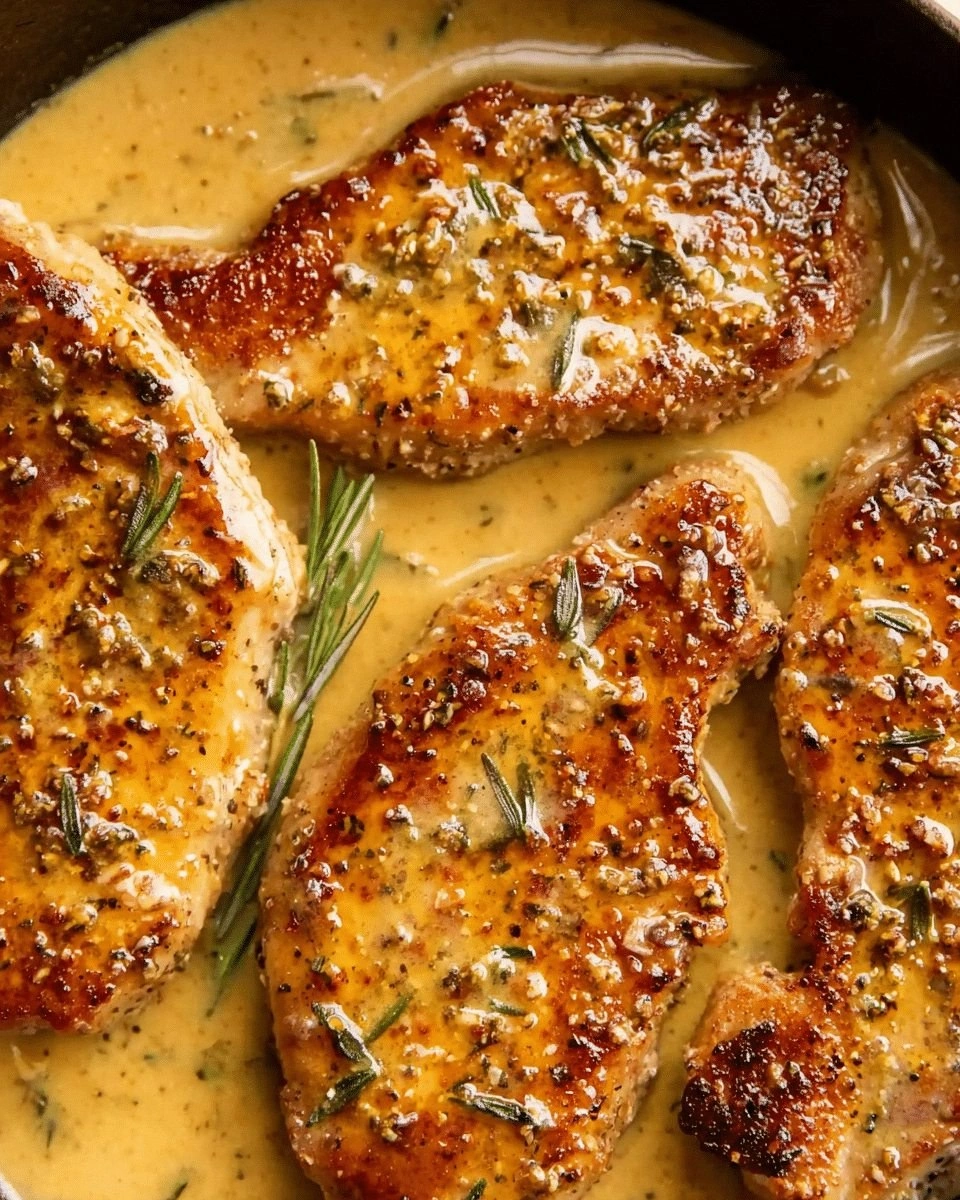
The Method — Step by Step
- Season the Pork: Pat the pork chops dry with paper towels, then season both sides generously with salt and pepper. The salt helps draw out moisture, ensuring a better sear. I always let them sit at room temperature for 10 minutes before cooking to keep the interior evenly cooked.
- Dust with Flour: Lightly coat each chop in flour, shaking off excess. This thin layer creates a subtle crust and helps thicken the sauce. If you prefer a gluten‑free version, use almond flour or a gluten‑free flour blend.
- Heat the Pan: Place a large skillet over medium‑high heat and add 2 tbsp of olive oil. Once the oil shimmers, add the pork chops. They should sizzle immediately—if they’re not, the pan isn’t hot enough.
- Sear the First Side: Cook the chops for 4–5 minutes on the first side until a golden crust forms. Don’t move them around; let the sear develop. The edge of the meat should start pulling away from the pan, indicating a good crust.
- Flip and Add Butter: Flip the chops, then add 4 tbsp of butter to the pan. As the butter melts, tilt the pan and spoon the melted butter over the chops. This basting technique keeps the meat moist and adds flavor.
- Introduce Aromatics: Add 4 cloves of minced garlic and 2 tsp of fresh rosemary to the pan. Sauté for 30 seconds until the garlic is fragrant. The rosemary should release its oils, giving the sauce a warm aroma that fills the kitchen.
- Deglaze and Reduce: Pour in 1/2 cup of white wine and a splash of lemon juice, scraping up the browned bits from the pan. Let the mixture simmer for 2–3 minutes until it reduces slightly and coats the back of a spoon.
- Finish Cooking: Add 1/2 cup of chicken broth, then lower the heat to medium. Cook the chops for another 4–5 minutes, spooning the sauce over them. The pork should reach an internal temperature of 145°F (63°C) for perfect doneness.
- Rest the Meat: Transfer the chops to a plate and tent loosely with foil. Let them rest for 5 minutes; this allows the juices to redistribute, keeping the meat tender.
- Serve with Sauce: Spoon the remaining pan sauce over the chops and garnish with a sprig of rosemary or a wedge of lemon. Serve immediately, perhaps with roasted vegetables or mashed potatoes to soak up the sauce.
That’s it — you did it. But hold on, I’ve got a few more tricks that will take this to another level…
Insider Tricks for Flawless Results
The Temperature Rule Nobody Follows
Many cooks keep the heat too low, which results in a soggy crust. I always set my stove to medium‑high and let the pan reach the right temperature before adding the pork. A quick test: drop a few drops of water into the pan; if they dance and evaporate within a second, you’re ready.
Why Your Nose Knows Best
The aroma of garlic and rosemary is a great indicator of progress. When the garlic starts to turn golden and the rosemary smells toasted, it’s time to add the wine. Trust your senses; they’re the best guide to flavor.
The 5-Minute Rest That Changes Everything
Resting the pork chops after cooking is often overlooked but critical. During this time, the fibers relax and the juices redistribute, ensuring every bite is moist. I always tent the chops with foil to keep them warm while resting.
The Secret to a Glaze
If you want an extra glossy finish, finish the sauce with a teaspoon of cold butter. Swirl it in just before serving; the cold fat will emulsify, creating a silky sheen that looks restaurant‑level.
Avoiding Over‑Sautéed Garlic
Garlic can burn quickly, turning bitter. Sauté it just until fragrant, about 30 seconds, and then add the rosemary and wine. This timing locks in flavor without the risk of bitterness.
Creative Twists and Variations
This recipe is a playground. Here are some of my favorite ways to switch things up:
Maple‑Glazed Pork
Swap the lemon juice for 2 tbsp of pure maple syrup. The sweetness balances the savory and adds a caramelized finish when seared. Perfect for a holiday dinner.
Spicy Chipotle Twist
Add 1 diced chipotle pepper in adobo sauce to the sauce mixture. The smoky heat pairs beautifully with the rosemary, creating a bold, modern flavor profile.
Herb‑Infused Cream Sauce
Finish the sauce with 1/4 cup of heavy cream and a pinch of thyme. The cream thickens the sauce, giving it a luxurious mouthfeel while the thyme adds a subtle earthiness.
Asian‑Inspired Soy Glaze
Replace the wine with 1/4 cup of soy sauce and add 1 tsp of grated ginger. The umami depth of soy and the zing of ginger transform the dish into a cross‑cultural delight.
Citrus‑Herb Variation
Use a mix of orange and lemon zest with the rosemary. The bright citrus notes elevate the sauce, making it lighter and more refreshing.
Storing and Bringing It Back to Life
Fridge Storage
Store the cooked pork chops in an airtight container for up to 3 days. Keep the sauce separate in a small container; this prevents the meat from becoming soggy. When you’re ready to eat, reheat the chops in a skillet over medium heat and add a splash of sauce.
Freezer Friendly
Wrap each chop individually in parchment paper, then place them in a freezer bag. Freeze for up to 2 months. Thaw overnight in the refrigerator before reheating. The sauce can be frozen as well; reheat gently to preserve flavor.
Best Reheating Method
Reheat the pork chops in a skillet over medium heat, adding a splash of water or broth to create steam. This technique keeps the meat moist and restores the sauce’s silky texture. Finish with a drizzle of fresh butter for that final shine.