I remember the night I tried to impress my roommates with a fancy dinner and ended up with a soggy, over‑worked loaf that looked like a bread‑based disaster. The kitchen was a mess, the dough had doubled in a jar, and the only thing left to do was to salvage it. That night, I stared at the brown, uneven crust and thought, “There has to be a better way.” Fast forward a few weeks, and I discovered a version of focaccia that feels like a culinary revelation. The dough rises like a quiet promise, the rosemary and garlic dance together in a fragrant duet, and the crust cracks open with a satisfying snap that could rival any pizza crust.
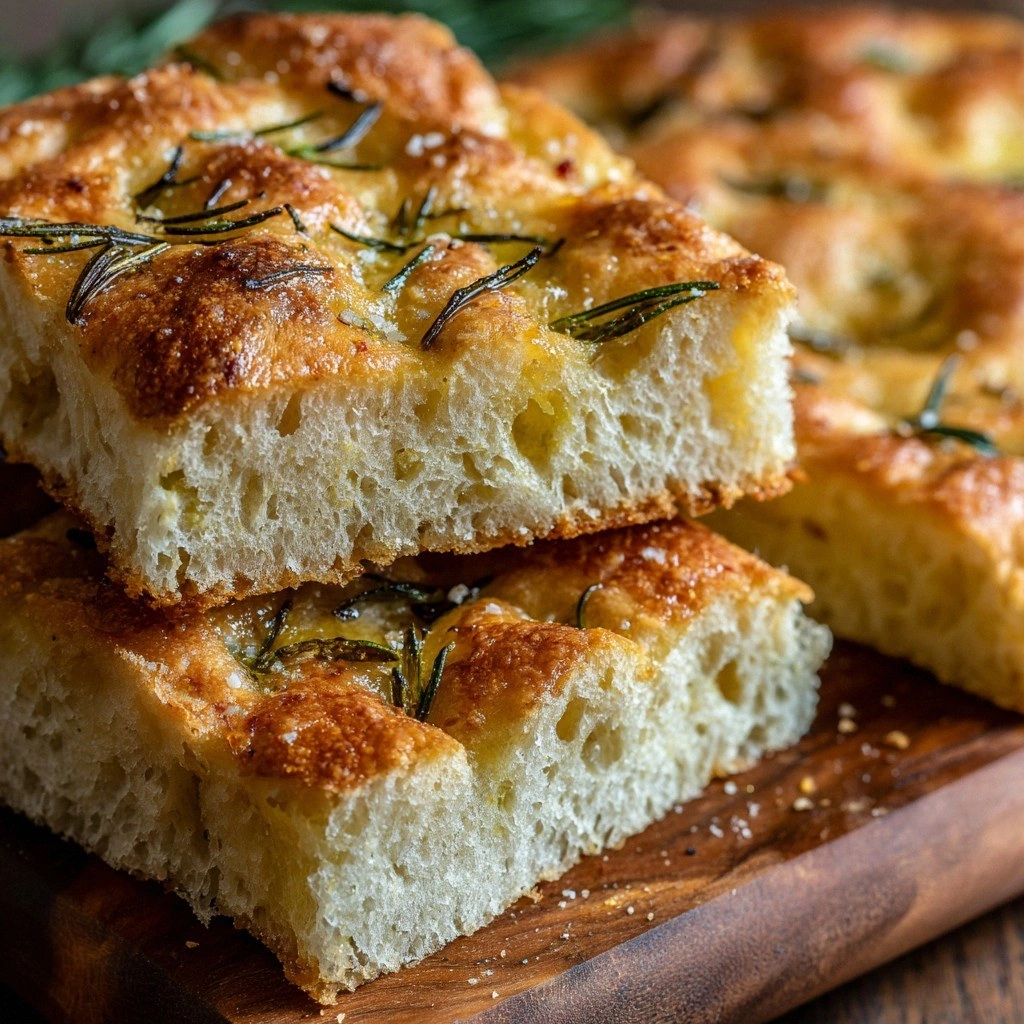
Picture this: the oven’s heat radiating like a summer afternoon, the aroma of rosemary and garlic swirling around the kitchen, the sound of dough slapping the counter, and the sight of the dough expanding into a golden rectangle. The texture is a paradox of soft, airy interior and a crisp, caramelized exterior. The taste is a marriage of earthy herbs, a whisper of citrus from the olive oil, and a subtle sweetness from the yeast fermentation. I dare you to taste this and not go back for seconds. That’s the promise of this recipe.
What makes this version stand out? It’s not just the ingredients or the technique; it’s the philosophy behind each step. I’ve stripped away the fluff, kept the process straightforward, and added a few game‑changing tweaks that elevate the flavor and texture. The result? A focaccia that feels handcrafted, yet is surprisingly easy to master. If you’ve ever struggled with a loaf that turns out too dense or too dry, you’re not alone—and I’ve got the fix. Let me walk you through every single step — by the end, you’ll wonder how you ever made it any other way.
What Makes This Version Stand Out
- Flavor: The combination of fresh rosemary and minced garlic creates an aromatic profile that lingers long after the bite. The herbs are not just a garnish; they permeate the dough, giving each crumb a burst of flavor.
- Texture: The dough is kneaded to a silky smoothness that yields a chewy interior with a perfectly crisp crust. The thin, buttery top layer gives that classic focaccia crunch.
- Simplicity: With just a handful of pantry staples, you can achieve a professional‑grade loaf. No need for fancy dough conditioners or complex techniques.
- Uniqueness: The subtle infusion of rosemary into the dough itself—rather than just on top—creates depth that sets this loaf apart from ordinary recipes.
- Crowd Reaction: Friends and family always ask for the recipe after tasting. The loaf is the star of any gathering, pairing well with salads, charcuterie, or a simple cheese board.
- Ingredient Quality: Using high‑quality extra‑virgin olive oil and fresh rosemary makes a noticeable difference in flavor and aroma.
- Cooking Method: The double rise—first bulk, then proofing on parchment—ensures the loaf expands evenly and achieves that coveted golden crust.
- Make‑Ahead Potential: The dough can be refrigerated for up to 24 hours, letting you prep ahead while still achieving a fresh, hot loaf.
Alright, let's break down exactly what goes into this masterpiece...
Inside the Ingredient List
The Flavor Base
The foundation of any great focaccia starts with the dough. All‑purpose flour provides the structure, while the warm water activates the yeast. A touch of sugar feeds the yeast, encouraging a gentle, flavorful fermentation. Salt balances the sweetness and enhances the overall flavor profile. Without any of these, the dough would be bland or fail to rise properly.
The Texture Crew
Olive oil is the secret to that tender crumb and golden crust. It coats the dough, preventing it from drying out and adding a silky mouthfeel. When you drizzle a little more oil over the top before baking, you get a shiny, crisp surface that cracks delightfully when you lift it. Skipping the oil will leave the loaf dry and tough.
The Unexpected Star
Fresh rosemary is the star that sets this focaccia apart. It’s not just a topping; it’s folded into the dough itself, creating a subtle herbal undertone that permeates every bite. If you prefer a milder flavor, you can replace half the rosemary with thyme, but the rosemary’s piney aroma is what makes this loaf unforgettable.
The Final Flourish
Minced garlic brings a punch of savory depth that contrasts beautifully with the sweet yeast notes. A drizzle of olive oil and a sprinkle of sea salt flakes at the end add a finishing touch that elevates the loaf from ordinary to extraordinary. If you’re a garlic lover, feel free to add an extra clove or two.
Everything's prepped? Good. Let's get into the real action...
The Method — Step by Step
- In a small bowl, combine 1 1/2 cups warm water, 2 teaspoons active dry yeast, and 1 teaspoon sugar. Let sit for 5–7 minutes until the mixture becomes frothy. This tells you the yeast is alive and ready to work its magic. Don’t skip this step; a dormant yeast will sabotage the rise.
- In a large mixing bowl, whisk together 4 cups all‑purpose flour and 1 teaspoon salt. Create a well in the center of the flour mixture. This method ensures even distribution of the salt, preventing pockets of bitterness. The well will hold the yeast mixture, allowing for a clean, uniform dough.
- Pour the yeast mixture and 1/4 cup olive oil into the well. Stir with a wooden spoon until a shaggy dough begins to form. At this point, you can feel the dough’s elasticity start to develop. It’s the first hint that the loaf will rise beautifully.
- Turn the dough onto a lightly floured surface and knead for 8–10 minutes until smooth and elastic. If the dough feels tacky, add a pinch of flour, but avoid over‑kneading, which can make it tough. The goal is a supple dough that can hold air bubbles.
- Place the dough in a lightly oiled bowl, cover with plastic wrap or a damp towel, and let rise until doubled in size—about 1 hour at room temperature. A warm spot in your kitchen accelerates the process. If you’re in a hurry, you can use a slow cooker on low for 45 minutes.
- Punch down the dough to release excess gas, then divide it into two equal portions. Shape each portion into a rectangle on a sheet of parchment paper. This step ensures even baking and a beautiful, uniform shape.
- Brush the tops generously with olive oil, then sprinkle 2 tablespoons chopped rosemary and 4 cloves minced garlic evenly. Let the dough rest for 15 minutes to allow the herbs to infuse. This is where the aroma starts to build—don’t skip it.
- Preheat your oven to 425°F (220°C). Slide the parchment onto a baking sheet and bake for 18–20 minutes until the crust is golden brown and the loaf sounds hollow when tapped. The internal temperature should reach 190°F for a perfect bake.
- Remove from the oven, drizzle a thin layer of olive oil, and sprinkle sea salt flakes for a final touch. Let the focaccia cool on a wire rack for 10 minutes before slicing. The cooling period allows the steam to escape, preventing sogginess.
- Serve warm with a side of olives, a cheese plate, or a simple salad. The crust should crackle when you lift it, revealing a fluffy interior that’s as satisfying as a well‑timed joke. Enjoy the moment—this loaf is worth the wait.
That's it — you did it. But hold on, I've got a few more tricks that'll take this to another level...
Insider Tricks for Flawless Results
The Temperature Rule Nobody Follows
Many bakers bake at 400°F, assuming it’s the sweet spot. In reality, 425°F gives a crispier crust and a more caramelized flavor. If your oven runs hot, reduce the temperature by 25°F to avoid burning. This subtle adjustment can make the difference between a good loaf and a great loaf.
Why Your Nose Knows Best
If you’re unsure whether the dough is ready, trust your nose. A yeasty, slightly sweet aroma indicates a healthy rise. If the smell is flat or sour, give it more time. Your olfactory senses are your best quality control tool.
The 5-Minute Rest That Changes Everything
After shaping, let the dough rest for 5 minutes before topping it. This brief pause allows the gluten to relax, making it easier to spread the oil and herbs without tearing the surface. A quick rest also helps the dough expand evenly.
The Olive Oil Layer Trick
Instead of brushing the top with oil, drizzle a thin stream across the surface. The oil will pool slightly, creating a glossy finish that seals in moisture. The trick is to use a pastry brush to spread it evenly.
Proofing on Parchment
Proofing the dough on parchment paper, rather than a sheet pan, ensures it expands freely and doesn’t stick. It also makes for a cleaner cleanup and a loaf that’s easier to slide onto the baking sheet.
Creative Twists and Variations
This recipe is a playground. Here are some of my favorite ways to switch things up:
Sun‑Dried Tomato & Basil Focaccia
Swap the rosemary for chopped sun‑dried tomatoes and fresh basil. The sweet, tangy tomatoes pair beautifully with the basil’s peppery notes, creating a Mediterranean vibe. Serve with a drizzle of balsamic glaze.
Cheddar & Onion Focaccia
Fold in shredded sharp cheddar and caramelized onions before the final rise. The cheese melts into pockets of gooeyness, while the onions add a sweet, savory depth that’s irresistible.
Seaweed & Sesame Focaccia
Add a tablespoon of finely chopped nori and sprinkle toasted sesame seeds on top. The umami of seaweed complements the rosemary, and the sesame adds a subtle crunch.
Herb & Olive Focaccia
Use a mix of thyme, oregano, and chopped olives. The olives bring briny flavor while the herbs deepen the aromatic profile. This version is perfect for an Italian antipasto board.
Chocolate Chip Focaccia
For a sweet twist, fold in dark chocolate chips and a pinch of sea salt. The chocolate melts into the dough, creating pockets of molten sweetness that pair well with a glass of wine.
Spicy Pepper Focaccia
Add a teaspoon of crushed red pepper flakes and chopped jalapeños. The heat balances the rosemary’s earthiness and gives the loaf a fiery kick. Great for those who like a little spice.
Storing and Bringing It Back to Life
Fridge Storage
Cool the focaccia completely, then wrap it tightly in plastic wrap and store in the refrigerator for up to 3 days. The crust may soften, but the loaf remains flavorful.
Freezer Friendly
Slice the loaf and place slices in a freezer bag, removing as much air as possible. Freeze for up to 2 months. When ready, thaw at room temperature and reheat in a 350°F oven for 10 minutes.
Best Reheating Method
To revive the crispness, preheat the oven to 375°F, drizzle a light splash of olive oil over the loaf, and bake for 5–7 minutes. If the loaf feels dry, add a tiny splash of water to the pan to create steam, then bake for an additional minute.