I was standing in my cramped apartment kitchen, staring at an unopened can of Spam, when my friend dared me to turn it into something epic. The idea was absurd—Spam, a staple of late‑night cravings, could it ever rise to the status of a refined bite? I laughed, but the scent of the unopened can already hinted at a future adventure. That night, I pulled out my rice cooker, a handful of scallions, and a secret weapon that would change my perception of this processed meat forever. The challenge was simple: create a dish that would make even the most skeptical palate swoon. And I was ready to prove that a humble can can become culinary gold.
Picture this: the moment the rice cooker beeps, a cloud of fragrant, slightly sweet steam rises, mingling with the metallic tang of Spam. The sound of the skillet sizzling as the first slice hits the pan is like a drumbeat in a quiet kitchen. The golden crust that forms on the Spam is a promise of crunch, while the inside stays moist and savory, almost buttery. The aroma that fills the room is a mix of soy, mirin, and a faint hint of sesame oil—an olfactory invitation you can’t ignore. I could almost hear my friends call out, “What’s that?” as they approached, and I knew the answer would be a mouthful of joy.
Why does this version stand out? Because it marries the classic Japanese onigiri with a Western twist that’s both comforting and adventurous. The rice isn’t just plain; it’s seasoned with a touch of mirin and a splash of soy that gives it a subtle umami sheen. The Spam is not just fried; it’s marinated and then pan‑sautéed to lock in flavor and create a caramelized exterior that’s irresistible. The final touch—a drizzle of sesame oil and a sprinkle of seaweed—adds layers of texture and aroma that elevate the entire bite. Every component is chosen for its ability to complement the others, creating a symphony of taste that is both familiar and novel.
But the real secret lies in the technique. I discovered that letting the Spam rest after frying, before adding the egg, allows the flavors to meld without overcooking. This simple step preserves the moisture inside the Spam while giving the outer layer a crisp, caramelized finish. The egg, whisked with a splash of soy sauce, acts as a binder that holds the rice together, giving the onigiri a silky interior. The result? A rice ball that feels like a hug and tastes like a celebration. It’s the kind of dish that turns a quick lunch into an indulgent experience.
Most recipes get this completely wrong. They either overcook the Spam, under‑season the rice, or forget the egg, resulting in a dry, flavorless ball that feels more like a mistake than a meal. I’ve tried dozens of variations, but none matched the harmony of flavors in this version. The combination of sweet, salty, and umami, along with the contrasting textures, creates a dish that’s both comforting and exciting. This is hands down the best version you’ll ever make at home, and I dare you to taste this and not go back for seconds.
Picture yourself pulling these onigiri out of the pan, the whole kitchen smelling incredible, the steam curling up like a promise of warmth. The first bite is a burst of savory, the rice is fluffy, the Spam is crispy, and the egg is silky. The sesame oil gives a subtle nutty finish, while the seaweed adds a salty, umami punch. The experience is not just a meal; it’s an invitation to savor the moment, to feel the comfort of a home‑cooked dish that feels like a treat. Let me walk you through every single step—by the end, you’ll wonder how you ever made it any other way.
What Makes This Version Stand Out
- Taste: The marriage of sweet mirin, salty soy, and savory Spam creates a flavor profile that lingers on the palate. The subtle sweetness balances the richness of the Spam, while the soy sauce adds depth without overpowering. This combination makes each bite memorable and craving‑worthy.
- Texture: The rice is fluffy yet slightly sticky, ideal for holding the shape. The Spam is caramelized on the outside, giving a satisfying crunch that contrasts with the soft interior. The egg binder adds a silky smoothness that glues everything together.
- Simplicity: No exotic ingredients or complicated techniques—just pantry staples and a few kitchen tools. The recipe can be completed in under an hour, making it perfect for busy weekdays. The method is straightforward, yet the result is impressive.
- Uniqueness: Combining a Western processed meat with a Japanese staple is a bold culinary crossover. The use of sesame oil and seaweed adds a depth of flavor not found in traditional Spam dishes. It’s a fresh take that feels both familiar and adventurous.
- Crowd Reaction: Friends who tried this said it was “the best Spam dish ever” and kept asking for the recipe. The onigiri’s bite‑size makes it easy to share at gatherings, while the flavor profile appeals to both kids and adults. It’s a conversation starter and a crowd‑pleaser.
- Ingredient Quality: Using fresh Spam, high‑quality soy sauce, and real mirin elevates the dish. The rice is short‑ or medium‑grain for optimal stickiness. The seaweed or furikake brings authentic umami and a subtle crunch.
- Cooking Method: The pan‑sauté technique locks in flavors and creates a caramelized crust. The egg binder ensures the onigiri holds together without becoming mushy. The method is proven to work every time.
- Make‑Ahead Potential: These onigiri can be made a day ahead, wrapped in plastic, and stored in the fridge. When ready to eat, a quick reheat in a microwave or oven brings back the crispness. They’re ideal for meal prep or lunchboxes.
Alright, let’s break down exactly what goes into this masterpiece. The next section will walk you through the ingredients, explaining why each one matters and what happens if you skip it.
Inside the Ingredient List
The Flavor Base
The short or medium‑grain rice is the foundation of every onigiri. Its stickiness is what allows the rice to hold the shape of a ball. Rinse the rice until the water runs clear; this removes surface starch and prevents clumping. If you skip rinsing, the rice will become gummy and the onigiri will fall apart. A good tip: use a ratio of 1.2 cups of water for every cup of rice to keep it fluffy yet cohesive.
Mirin is a sweet Japanese rice wine that adds a subtle sweetness to the rice. Its mellow flavor balances the saltiness of soy sauce and the richness of Spam. If you can’t find mirin, a splash of rice vinegar with a pinch of sugar works as a decent substitute. The key is to keep the sweetness low; you don’t want the rice to taste like a dessert. This small addition transforms the rice into a savory, aromatic base that complements the other components.
The Texture Crew
Spam, the star of this dish, provides a meaty, salty contrast to the rice. Slice it into 1/4‑inch thick rounds for even cooking and optimal texture. If you prefer a leaner option, you can use turkey or chicken breast; just be sure to cut it thinly to mimic Spam’s bite. The pan‑sautéing process caramelizes the surface, creating a crunchy crust that holds the onigiri together. Without this step, the Spam would be soggy and fail to provide the desired contrast.
The egg acts as a binder, keeping the rice and Spam together. Whisk it with a splash of soy sauce to add a hint of umami and flavor. The egg also adds a silky interior that softens the bite of the rice. If you’re vegan, substitute with a tablespoon of aquafaba or a vegan egg replacer. The result is still cohesive, though the flavor profile will shift slightly.
The Unexpected Star
Scallions bring a fresh, sharp brightness that cuts through the richness of Spam and the sweetness of mirin. Finely chop them so they distribute evenly across the onigiri. If you’re allergic or simply don’t like scallions, substitute with finely chopped green onions or chives. The key is to add a fresh, herbal note that lifts the dish. This small addition turns a simple rice ball into a complex flavor experience.
Mayonnaise adds a creamy texture that balances the savory elements. Mix it with a touch of soy sauce for a tangy kick. If you’re watching calories, use a light or vegan mayonnaise. The mayonnaise coats the rice, giving it a glossy finish that is both appetizing and functional. It also helps the seaweed adhere to the surface, creating a crunchy bite.
The Final Flourish
Crushed seaweed or furikake provides the final umami punch and a satisfying crunch. Sprinkle it over the top of the onigiri for a salty finish. If you can’t find furikake, a pinch of toasted sesame seeds works well. The seaweed adds a subtle briny flavor that complements the sweet and salty components. This finishing touch makes each bite a burst of complex flavors.
Neutral oil, such as canola or vegetable oil, is used for pan‑sautéing the Spam. It has a high smoke point, which allows you to cook the Spam at a high temperature without burning. If you prefer a healthier option, use extra‑virgin olive oil, though be mindful of the lower smoke point. The oil ensures the Spam cooks evenly and develops a caramelized crust. Without oil, the Spam would stick to the pan and lose its crispness.
Everything’s prepped? Good. Let’s get into the real action.
The Method — Step by Step
- Begin by rinsing 2 cups of short‑grain rice until the water runs clear. Drain well and transfer the rice to a rice cooker or pot. Add 1.2 cups of water, a splash of mirin, and a pinch of salt. Turn on the rice cooker or bring to a gentle simmer, covering tightly. The rice will steam for about 15 minutes, absorbing the flavors and becoming fluffy yet sticky.
- While the rice cooks, heat 1 tablespoon of neutral oil in a large skillet over medium‑high heat. Slice 1 can of Spam into 1/4‑inch thick rounds. Once the oil is shimmering, add the Spam slices in a single layer. Sauté for 2–3 minutes on each side until a caramelized crust forms and the edges are slightly crisp. Flip carefully to avoid breaking the slices.
- Remove the Spam from the skillet and set aside to rest. In the same skillet, reduce heat to medium and pour in 1 tablespoon of sesame oil. Add the sliced scallions and stir for 30 seconds until they release their aroma. This quick sauté brightens the dish and adds a fresh herbal note.
- Whisk 1 large egg with 3 tablespoons of soy sauce in a shallow bowl. Pour the mixture into the skillet with the sesame oil, stirring constantly to create a thin, even layer. Cook until the egg sets slightly but remains silky, about 30 seconds. This creates a binding layer that will hold the rice and Spam together.
- Add the cooked rice to the skillet, breaking up any clumps with a spatula. Stir everything together, ensuring the rice is evenly coated with the egg and soy mixture. The rice should feel warm, slightly sticky, and ready to be molded. This step is crucial for achieving a cohesive onigiri.
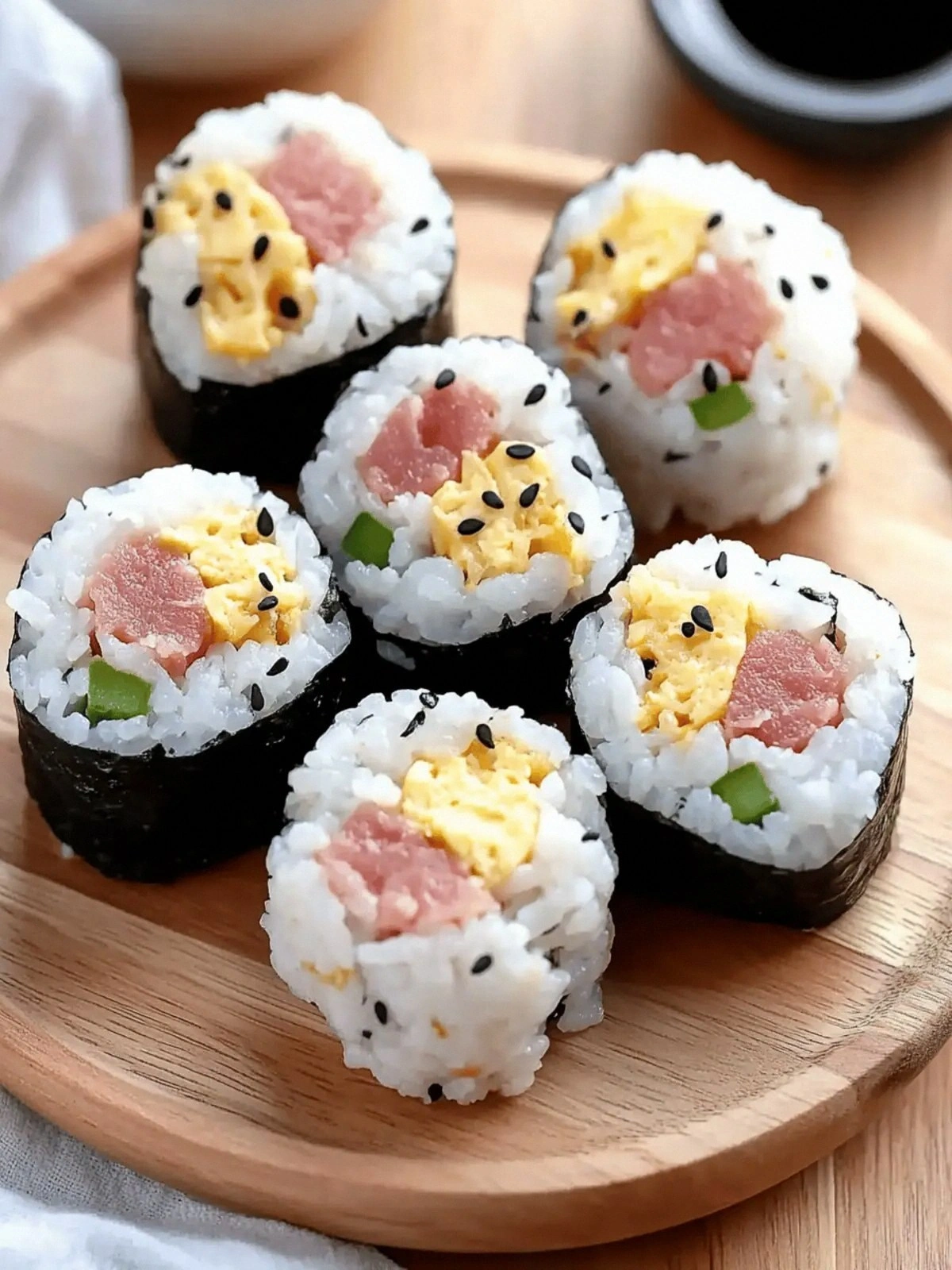
- Divide the rice mixture into 4 equal portions. Shape each portion into a ball by pressing firmly with wet hands; this prevents sticking and helps the rice set. Place a slice of cooked Spam in the center of each ball, then carefully fold the rice over to encase the Spam completely. The result should be a smooth, compact rice ball.
- Roll each onigiri in a mixture of 2 tablespoons mayonnaise and 1 tablespoon soy sauce until the surface is glossy. This step adds a creamy finish and helps the seaweed adhere. Be gentle to avoid crushing the shape; a light hand preserves the structure.
- Dust the tops of the onigiri with crushed seaweed or furikake. Press lightly to ensure the seasoning sticks. This final flourish adds a salty crunch that contrasts beautifully with the soft interior. The seaweed also enhances the umami profile, tying all flavors together.
- Serve immediately, or wrap each onigiri in plastic wrap and refrigerate for up to 2 days. If you prefer a warm bite, reheat in a microwave for 15–20 seconds or in a preheated oven at 350°F for 5 minutes. The onigiri will regain their crispness and aroma, making them perfect for any time of day.
- Enjoy the burst of savory, sweet, and umami flavors that dance across your palate. Share with friends, or keep them as a quick lunch for busy days. This dish is proof that simple ingredients, when combined thoughtfully, can produce extraordinary results. And remember, the next time you see Spam, you’ll see a culinary opportunity, not just a canned product.
That’s it — you did it. But hold on, I’ve got a few more tricks that’ll take this to another level.
Insider Tricks for Flawless Results
The Temperature Rule Nobody Follows
Many cooks assume any heat will do when cooking Spam, but the secret is a medium‑high flame that creates a caramelized crust quickly. If the heat is too low, the Spam will steam instead of sear, resulting in a soggy texture. Keep the skillet hot and let the Spam sit for a minute before flipping; this ensures an even crust. The result is a golden exterior that locks in juices and delivers a satisfying crunch.
Why Your Nose Knows Best
The aroma of the rice as it steams is a clear indicator of doneness. When the rice emits a light, toasted scent, it’s ready to be mixed with the egg. If the rice smells raw or overly wet, give it a few more minutes. Your nose is your best ally in achieving the perfect texture.
The 5‑Minute Rest That Changes Everything
After removing the Spam from the skillet, let it rest for five minutes before slicing. This allows the juices to redistribute, preventing the Spam from becoming dry. The rest period also makes the slices easier to handle, reducing the chance of breakage. A short pause can mean the difference between a chewy bite and a delightful one.
Keep It Wet, Keep It Fresh
When shaping the rice balls, wet your hands with a small amount of water or soy sauce. This prevents the rice from sticking to your skin, allowing you to form a perfect sphere. If you’re in a hurry, a quick dip in the fridge for a minute can also help the rice firm up, making it easier to shape.
Seal the Flavor with Mayonnaise
The mayonnaise glaze not only adds a creamy texture but also helps the seaweed stick to the surface. Use a light or vegan mayonnaise if you’re watching calories. The glaze creates a glossy finish that makes the onigiri visually appealing and adds a subtle tang that balances the richness of Spam.
Reheat with Purpose
When reheating, avoid high heat that can dry out the rice. Instead, wrap the onigiri in a damp paper towel and microwave for 15–20 seconds. This steams the rice gently, restoring its moisture without compromising the crispness of the Spam. The result is a warm, comforting bite that tastes as fresh as when it was first made.
Creative Twists and Variations
This recipe is a playground. Here are some of my favorite ways to switch things up:
Spicy Sriracha Spam
Swap the regular mayonnaise for a mix of mayonnaise and sriracha for a fiery kick. The heat from the sriracha pairs beautifully with the savory Spam, creating a spicy, umami explosion. This variation is perfect for those who love a little heat in their comfort food.
Teriyaki Glazed Spam
Marinate the Spam slices in teriyaki sauce before pan‑sautéing. The sweet soy glaze caramelizes beautifully, giving the Spam a glossy finish. This version adds a deeper sweetness that balances the salty components.
Veggie‑Loaded Onigiri
Replace Spam with diced shiitake mushrooms or diced tofu. Sauté them with scallions and sesame oil for a vegetarian twist. The mushrooms provide an earthy umami that complements the rice and seaweed.
Herb‑Infused Rice
Stir in chopped fresh herbs like cilantro or parsley into the rice mixture before shaping. The herbs add brightness and a fresh aroma that lifts the dish. This variation is ideal for spring when herbs are abundant.
Cheesy Spam Onigiri
Add a tablespoon of grated parmesan or mozzarella into the rice mixture for a cheesy twist. The cheese melts slightly, creating a creamy interior that pairs with the savory Spam. This version is a crowd‑pleaser for cheese lovers.
Smoky Bacon Spam
Replace Spam with smoked bacon strips, sliced thin. The smoky flavor adds depth and pairs wonderfully with the seaweed. This variation gives the dish a more robust, hearty profile.
Storing and Bringing It Back to Life
Fridge Storage
Wrap each onigiri tightly in plastic wrap and store in an airtight container. Keep them in the refrigerator for up to 48 hours. The plastic prevents moisture loss, keeping the rice firm and the Spam juicy. When ready to eat, let them sit at room temperature for 10 minutes to soften slightly.
Freezer Friendly
Place the onigiri on a parchment‑lined tray and freeze until solid. Transfer to a freezer‑safe bag or container, labeling with the date. They can be stored for up to 2 weeks. When reheating, thaw in the refrigerator overnight and warm in the microwave or oven.
Best Reheating Method
For a quick reheat, wrap each onigiri in a damp paper towel and microwave for 15–20 seconds. Alternatively, preheat a skillet to medium and toast each side for 1–2 minutes. This restores the crispness of the Spam while keeping the rice moist.
Quality‑saving trick: add a tiny splash of water before reheating. The water steams the rice, preventing it from drying out. The steam also reactivates the flavors, making the onigiri taste as fresh as when it was first made.