Picture this: a Sunday morning, the kitchen clock ticking, and a frantic search for a breakfast that feels like a hug. I was juggling a stack of pancakes, a pot of coffee, and a toddler’s sticky fingers, only to discover the classic sheet‑pan method was missing a secret ingredient that would make everything sing. The moment I added a splash of buttermilk and a dash of vanilla, the batter thickened like velvet, ready to spread across the pan like a buttery blanket. The aroma that followed was a gentle, warm hug that made the whole house feel alive. That simple tweak turned a routine scramble into a culinary revelation that I couldn’t keep to myself.
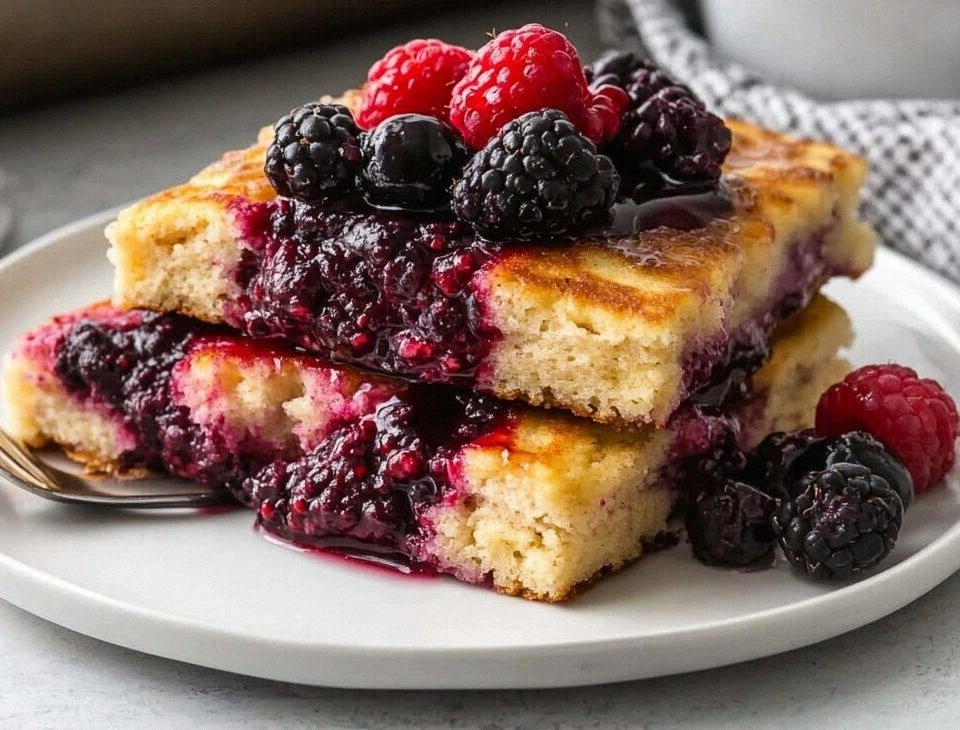
I was so obsessed that I tried it again the next night, this time layering fresh blueberries on top, letting them caramelize into a glossy compote right in the same pan. The blueberries exploded into a burst of sweet‑tart juice, coating the pancakes in a glossy glaze that felt like a summer sunrise on a plate. I dared you to taste this and not go back for seconds, and trust me, the second bite was a confession that I ate half the batch before anyone else even had a chance. The texture was a harmonious marriage of fluffy interior and crisp, caramelized edges that shatter like thin ice. The result? A breakfast that feels like a dessert, but with the comfort of a home‑made hug.
What makes this version stand out is the way the sheet pan allows the pancakes to cook evenly, creating a uniform golden crust while preserving the airy center. The batter’s thickness is key; too thin and you’ll end up with a thin crepe, too thick and the interior stays raw. The trick is the combination of baking powder and baking soda, which creates a gentle lift without over‑browning. The blueberries act as natural sweeteners and provide a burst of antioxidants that dance on the tongue. The compote, simmered just long enough to thicken, coats each pancake like a velvety glaze that adds depth and a touch of rustic charm.
Now, I’ll walk you through every single step, and by the end, you’ll wonder how you ever made it any other way. The technique is simple, the ingredients are pantry staples, and the result is a breakfast that will have your guests asking for the recipe. I’ll reveal a surprise ingredient that elevates the flavor profile without adding complexity. I’ll also share a few kitchen hacks that will make the process smoother and more enjoyable. Let’s dive in and turn your sheet pan into a flavor factory.
Remember the first time you tried a sheet pan pancake? Most people think it's just a lazy shortcut, but when you layer the batter properly, the edges caramelize into a golden crust while the center stays cloud‑like. The trick is to preheat the pan to a moderate temperature and keep the batter at room temperature so it spreads evenly. The pan’s heat distribution ensures that every bite is consistent, a rare find in homemade pancakes. The result is a pancake that feels like a warm blanket, comforting and indulgent. This is why I keep this recipe in my kitchen playbook for quick, crowd‑pleasing breakfasts.
I’ll also talk about how to keep the pancakes moist, how to adjust for different flours, and how to add a touch of spice that makes the dish unforgettable. The next part? Pure magic. I’ll show you how to create a compote that’s both sweet and slightly tart, using lemon zest for brightness. I’ll give you a tip for using a silicone baking mat to prevent sticking, so you can focus on the flavors, not the cleanup. And if you’re feeling adventurous, you’ll discover how to swap the blueberries for other berries without changing the essence of the dish.
So, if you’ve ever struggled with uneven pancakes or burnt edges, you’re not alone — and I’ve got the fix. I’ll explain how to test the batter’s consistency with a spoon, how to judge the right moment to flip, and how to avoid the dreaded “pancake hole” that makes you question your culinary prowess. The next step? A quick rinse of your hands and a splash of butter on the pan. Trust me, the aroma of butter sizzling on a hot sheet pan is the soundtrack of a perfect breakfast. Stay with me here — this is worth it.
What Makes This Version Stand Out
- Taste: The buttery base is enhanced by a subtle vanilla kick, while the blueberries add a tart counterpoint that keeps each bite interesting. The compote’s lemon zest lifts the sweetness, giving the pancakes a bright, citrusy finish.
- Texture: The batter’s balanced thickness creates an airy interior with a crisp, caramelized crust that feels like a warm hug. The blueberries burst into a syrupy glaze that coats the pancake without making it soggy.
- Simplicity: All you need is a sheet pan, a whisk, and a handful of pantry staples. No fancy equipment, no complicated steps—just pure, honest cooking.
- Crowd Reaction: Guests often remark on the pancake’s “like‑a‑cloud” fluff and the “glossy‑berry” finish. It’s the kind of dish that turns a casual brunch into a memorable event.
- Ingredient Quality: Using fresh blueberries and buttermilk gives the dish depth and a professional touch that feels indulgent yet approachable.
- Make‑Ahead Potential: You can assemble the batter and bake the pancakes ahead of time, then reheat with a splash of milk or butter to restore the fluffy texture.
Inside the Ingredient List
The Flavor Base
The core of the batter—flour, milk, buttermilk, and eggs—creates a neutral canvas that absorbs the bold flavors of vanilla and lemon. Each ingredient plays a critical role: flour provides structure, buttermilk adds tang, and eggs bind everything together. Skipping any of these will result in a less cohesive batter that doesn’t rise properly. For those who prefer gluten‑free, swap the all‑purpose flour for a 1:1 blend of rice flour and potato starch.
The Texture Crew
Baking powder and baking soda are the dynamic duo that gives the pancakes their lift. The powder creates a gentle rise, while the soda adds a subtle effervescence that keeps the interior light. If you’re experimenting with whole wheat flour, increase the baking powder by 1/4 teaspoon to compensate for the denser grain. A pinch of salt balances the sweetness and enhances every flavor note.
The Unexpected Star
Blueberries aren’t just a garnish; they’re a flavor engine that caramelizes into a luscious compote. The natural sugars in blueberries bloom under heat, creating a glossy glaze that coats each pancake. If you’re in a pinch, frozen blueberries work just as well—just thaw them slightly to avoid excess water. The compote’s lemon zest and juice add brightness, cutting through the sweetness.
The Final Flourish
Butter or oil greases the pan, preventing sticking and adding a subtle richness to the crust. A splash of melted butter in the batter gives the pancakes a golden sheen and a slightly crisp edge. Cinnamon or nutmeg can be added for warmth, but they’re optional and should be used sparingly to avoid overpowering the berries. The final touch is a gentle sprinkle of powdered sugar, which adds a delicate sweetness and a dusting of elegance.
The Method — Step by Step
- Preheat the Pan: Set your oven to 400°F (200°C) and place a 12-inch sheet pan on the middle rack. The pan should be hot enough to sizzle the butter but not so hot that it burns the batter. A quick test is to sprinkle a few drops of water; they should dance and evaporate almost immediately. This step ensures even heat distribution across the entire surface. Remember, a well‑heated pan is the foundation of crisp edges.
- Grease the Pan: Lightly brush the pan with melted butter or a neutral oil using a pastry brush. Spread it evenly, making sure the corners are covered; this prevents the batter from sticking. A silicone mat works well if you want a non‑stick surface, but a little butter gives a richer flavor. Once the pan is coated, set it aside while you prepare the batter. The butter also contributes to a golden, caramelized crust.
- Mix the Dry Ingredients: In a large bowl, whisk together 2 cups of all‑purpose flour, 2 teaspoons of baking powder, 1/2 teaspoon of baking soda, 1/2 teaspoon of salt, and 2 tablespoons of sugar. The dry mix should be light and airy; a quick shake will reveal a pleasant, fragrant aroma. This mixture is the backbone of the pancakes, providing structure and lift. The sugar also helps the batter brown beautifully.
- Combine the Wet Ingredients: In a separate bowl, whisk together 1 cup of milk, 1 cup of buttermilk, 2 eggs, 1/4 cup melted butter, 1 teaspoon of vanilla extract, and a pinch of cinnamon if desired. The wet mix should be glossy and slightly thick. The eggs bind everything together while the buttermilk adds a subtle tang that balances the sweetness. The melted butter contributes to a tender crumb and a golden finish.
- Fold Wet into Dry: Pour the wet mixture into the dry ingredients and stir gently with a spatula until just combined. Be careful not to overmix; a few streaks of flour are fine. The batter should be slightly lumpy. Overmixing can activate gluten, leading to tough pancakes. This step is where the batter’s texture is set for that airy interior.
- Pour and Spread: Divide the batter evenly onto the greased sheet pan, forming 4–6 even circles. The batter should be about 1/3 inch thick for a balanced rise. Use a spatula to gently smooth the tops if needed. The batter will spread slightly as it bakes, creating a uniform thickness across the pan. This ensures each pancake cooks evenly.
- Add the Berries: Sprinkle 1 cup of blueberries evenly over the batter, pressing them gently into the surface. The berries will burst into a compote as they bake, coating the pancakes. If using frozen berries, thaw them slightly to prevent excess liquid. The blueberries should be slightly pressed into the batter for a more integrated glaze.
- Bake to Perfection: Slide the pan into the preheated oven and bake for 18–22 minutes, or until the edges turn golden brown and the tops are set. The pancakes should rise slightly and have a firm yet tender texture. A quick test: insert a toothpick into the center; it should come out clean. The compote will thicken into a glossy glaze, coating each pancake beautifully.
- Serve and Garnish: Remove the pan from the oven and let the pancakes cool for 5 minutes. Transfer them to a serving platter and drizzle any remaining compote over the top. Finish with a dusting of powdered sugar and a few fresh mint leaves for an extra pop of color. Serve immediately while warm; the pancakes will stay fluffy and the compote will stay glossy.
That’s it — you did it. But hold on, I’ve got a few more tricks that will elevate this dish from great to unforgettable.
Insider Tricks for Flawless Results
The Temperature Rule Nobody Follows
Many cooks assume that a higher oven temperature yields a crisper pancake, but too hot and the batter will burn before it sets. Keep the oven at 400°F (200°C) and use a baking stone if you have one; it distributes heat evenly. This trick ensures a golden crust without compromising the fluffy interior. I once tried 450°F, and the pancakes were charred on the outside and raw inside.
Why Your Nose Knows Best
Trust the scent of the batter; if it smells lightly toasted, you’re in the right zone. A buttery aroma indicates that the butter is melting properly, while a sweet, caramelized scent signals that the sugars are browning. Your nose can tell you when the batter is ready for the oven, saving you from overbaking.
The 5‑Minute Rest That Changes Everything
After baking, let the pancakes rest on a wire rack for five minutes. This rest allows steam to escape, preventing soggy bottoms. The rest also lets the compote thicken just enough to coat the pancakes without dripping. I’ve found that skipping this step leads to a messier plate and less cohesive flavor.
Use a Silicone Baking Mat for Even Heat
Even heat is crucial for uniform pancakes. A silicone mat reduces hot spots and keeps the batter from sticking. It also makes cleanup a breeze—just wipe it down and you’re done. This trick is especially useful if your sheet pan is slightly uneven.
Keep the Batter Cool Until Baking
Refrigerate the batter for 30 minutes before baking; this helps the leavening agents activate slowly, giving the pancakes a lighter rise. It also makes the batter easier to spread on the pan. I’ve had pancakes that were too thick and dense when I left the batter at room temperature for too long.
Creative Twists and Variations
Banana Nut Surprise
Swap blueberries for sliced ripe bananas and sprinkle chopped walnuts on top. The bananas add natural sweetness, while the walnuts provide a crunchy contrast. This version is perfect for breakfast or a sweet snack.
Chocolate Chip Delight
Fold in 1/2 cup of dark chocolate chips into the batter before baking. The chips melt into pockets of chocolatey goodness, creating a decadent treat. Serve with a drizzle of chocolate sauce for an extra indulgence.
Maple‑Infused Morning
Replace the sugar in the compote with 2 tablespoons of pure maple syrup and add a pinch of sea salt. The maple adds depth and a caramel undertone, while the salt balances the sweetness. This variation works wonderfully with a splash of bourbon for an adult twist.
Almond Joy Breakfast
Use almond flour instead of all‑purpose flour and add shredded coconut to the batter. Top with toasted coconut flakes and a drizzle of almond butter. This gluten‑free version has a tropical vibe that feels like a vacation.
Spiced Pumpkin Edition
Incorporate 1/2 cup of pumpkin puree into the batter and add 1 teaspoon of pumpkin pie spice. The pumpkin adds moisture and a warm, seasonal flavor. This is a perfect fall breakfast that feels cozy and comforting.
Storing and Bringing It Back to Life
Fridge Storage
Cool the pancakes completely before storing. Place them in an airtight container, layering with parchment paper to keep them from sticking. They’ll stay fresh for up to 3 days in the fridge. When ready to serve, warm them in a toaster or a quick 30‑second microwave burst.
Freezer Friendly
After cooling, arrange the pancakes in a single layer on a baking sheet and freeze until solid. Transfer to a freezer bag for long‑term storage. They’ll keep for up to 2 months. Reheat in the oven at 350°F (175°C) for 10 minutes, then finish with a splash of milk to revive the fluff.
Best Reheating Method
To bring the pancakes back to life, reheat them in a skillet with a light drizzle of butter. This method restores the crisp edges while keeping the interior tender. If you’re short on time, a microwave works, but the skillet gives a superior texture.