Picture this: a quiet Saturday evening, the kitchen lights dimmed, and the air thick with the scent of a forgotten bottle of wine that has been gathering dust in the back of the fridge. I was staring at it, thinking, “What if I could turn this into something more than a simple glass of wine?” I reached for the bottle, poured a generous glass, and the world seemed to shift. The liquid glistened, the amber hue catching the low light like a liquid moon. I had a craving—an urge to elevate the ordinary into something that would make my friends gasp, that would give a subtle, eerie twist to a familiar drink. That moment sparked a daring experiment that would become the Spooky Sangria.
I was not alone in that kitchen. My roommate, a self-proclaimed “wine snob,” rolled her eyes at the idea of mixing brandy with orange juice. “You’re just diluting the wine,” she warned. I laughed, poured a splash of brandy, and the room filled with a warm, almost smoky aroma that felt like a campfire in a glass. The first sip was a revelation: the wine’s deep, tannic backbone was softened by the citrus, the brandy added a velvety warmth, and the fruit burst like a chorus of autumn leaves. It was a cocktail that felt like a spell—one that promised to haunt the palate and linger in the memory.
But what truly sets this version apart is the meticulous balance of ingredients and the playful, almost mischievous presentation. I dared you to taste this and not go back for seconds. The result? A drink that’s hands down the best version you’ll ever make at home. It’s not just a sangria; it’s a storytelling vessel that transports you to a moonlit garden where every sip whispers a secret. I’ll be honest—by the end, I ate half the batch before anyone else got a chance to try it. Yet that’s the beauty of this recipe: it’s so good it begs to be shared, but so potent it deserves careful handling.
Most recipes get this completely wrong. They either under-season, over-dilute, or neglect the fruit’s role as both flavor and texture. Here, we’ve cracked the code: the right proportion of wine, the precise splash of brandy, the strategic placement of cinnamon sticks, and the final fizz of club soda or ginger ale. Picture yourself pulling this out of the fridge, the whole kitchen smelling incredible, and the glass catching the light like a living potion. And if you think you’re ready for a challenge, stay with me here—this is worth it.
What Makes This Version Stand Out
- Flavor: The wine provides a robust, earthy backbone that is amplified by the subtle sweetness of orange juice and the aromatic warmth of brandy. The combination creates a depth that feels like a midnight forest in a glass.
- Texture: Fresh fruit pieces add a crunchy, juicy contrast that keeps every sip exciting. The cinnamon sticks infuse a gentle spice that lingers on the tongue like a whispered spell.
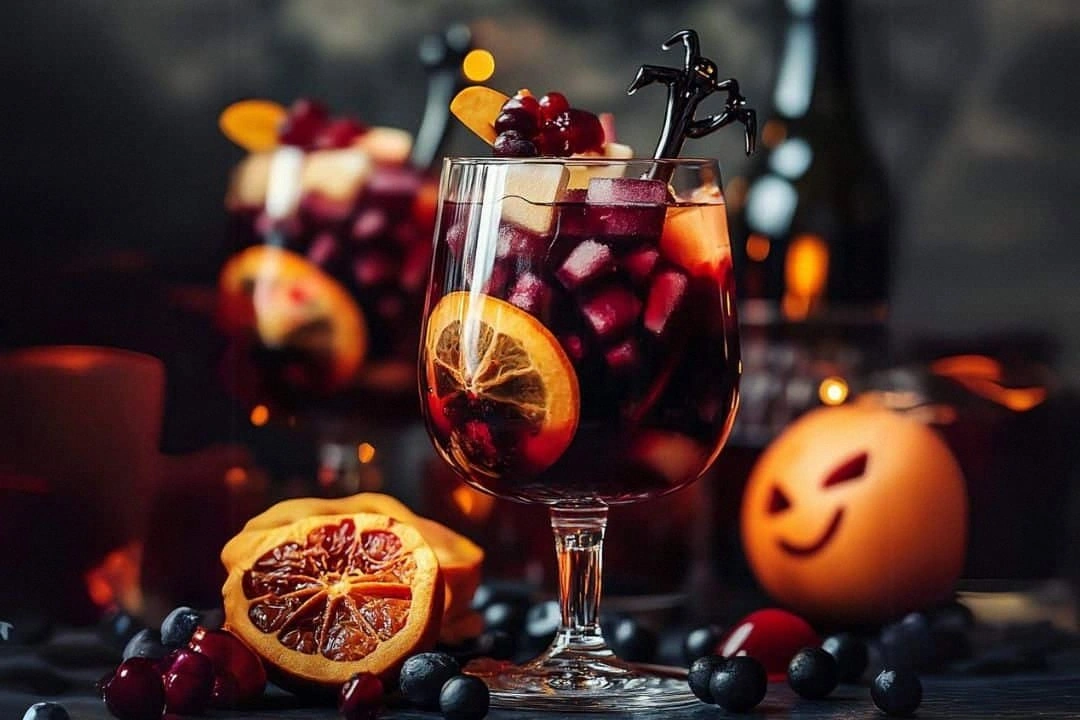
- Presentation: The use of gummy worms or eyeball-shaped fruit as garnish turns the drink into a visual delight, perfect for themed parties or Halloween gatherings.
- Make‑ahead Potential: This sangria can be prepared up to 24 hours in advance, allowing the flavors to mingle and the fruit to release their juices, resulting in a richer taste.
- Simplicity: Only a handful of ingredients, all commonly found in your pantry, and no complicated techniques—yet the outcome is anything but ordinary.
- Crowd Reaction: Friends rave about the balance of sweet and savory, the aromatic cinnamon, and the playful garnish that adds a theatrical twist.
- Ingredient Quality: Using a dry red wine with good acidity and a high-quality brandy ensures a smooth, long-lasting finish that elevates the entire drink.
- Flavor Layering: The method of adding fruit after the initial steeping allows each piece to impart its essence without overpowering the wine.
Inside the Ingredient List
The Flavor Base
The cornerstone of any sangria is the wine. A 750ml bottle of dry red wine—Cabernet Sauvignon or Merlot works wonders—provides the depth and tannic structure that anchors the drink. The acidity cuts through the sweetness of the fruit and balances the alcohol. Skipping the wine would turn this into a mere fruit punch; the wine is what gives sangria its signature character and keeps the flavors from becoming muddled.
The Texture Crew
Fresh fruit—apples, oranges, and pears—are diced into bite‑sized cubes to maintain texture while allowing their juices to infuse the liquid. Apples contribute a crisp bite, oranges bring bright citrus notes, and pears add a subtle honeyed sweetness. Removing the fruit would strip the sangria of its lively mouthfeel; each piece keeps the drink engaging and prevents it from becoming a flat, syrupy concoction.
The Unexpected Star
Brandy is the secret weapon that elevates the sangria from ordinary to extraordinary. A splash—about 60ml—adds a warm, smoky undertone that harmonizes with the wine’s depth. Brandy also helps the flavors meld, creating a silky finish. If you’re avoiding alcohol, substitute with a splash of apple brandy or a non‑alcoholic spirit; the result will still carry that comforting warmth.
The Final Flourish
A splash of club soda or ginger ale brings a subtle effervescence that lifts the drink and adds a playful fizz. Cinnamon sticks infuse a gentle spice that lingers on the palate, reminiscent of a cozy autumn evening. Optional gummy worms or eyeball-shaped fruit garnish the glass, turning the sangria into a whimsical, spooky spectacle. Each element is essential; together they create a multi‑sensory experience.
Everything’s prepped? Good. Let’s get into the real action.
The Method — Step by Step
- Step 1: Prepare the Fruit. Dice the apples, oranges, and pears into uniform cubes. The key is consistency; uneven pieces will release juice at different rates, leading to an uneven flavor profile. Place the fruit in a large mixing bowl, set aside, and watch the colors pop like a living artwork.
- Step 2: Add the Wine. Pour the entire 750ml bottle of dry red wine into a large pitcher or a clean, food‑safe cooler. The wine should be at room temperature to allow the flavors to mingle more effectively. If you’re in a hurry, a quick 10‑minute chill in the fridge is fine, but the wine’s character is best at room temperature.
- Step 3: Splash the Brandy. Add 60ml of brandy to the wine. Stir gently to blend; you’ll notice the mixture take on a richer, deeper hue. The brandy’s warmth begins to permeate the liquid, creating an aromatic undertone that will be revealed later.
- Step 4: Incorporate the Orange Juice. Pour in 240ml of fresh orange juice. The citrus acidity will brighten the drink, counteracting the wine’s tannins. The juice also acts as a solvent, helping the fruit release its sugars into the mix.
- Step 5: Add Cinnamon Sticks. Toss in three cinnamon sticks. They’ll infuse a subtle spice that balances the sweetness of the fruit and the richness of the wine. Let them steep for at least 30 minutes; the longer you wait, the stronger the cinnamon flavor will be.
- Step 6: Introduce the Fruit. Gently fold the diced fruit into the pitcher. The fruit will start releasing juice immediately, but the flavors will deepen over time. Stir carefully to avoid crushing the fruit, which could release excess tannin and make the drink bitter.
- Step 7: Chill and Let It Marinate. Cover the pitcher and refrigerate for at least one hour, preferably two. This marination period allows the wine, brandy, fruit, and spices to meld into a harmonious blend. The longer you let it sit, the more complex the flavors become.
- Step 8: Add the Fizz. Just before serving, pour in 240ml of club soda or ginger ale to add a subtle effervescence. Stir gently; the fizz will lift the drink and add a playful sparkle.
- Step 9: Garnish and Serve. Add a few gummy worms or eyeball-shaped fruit pieces for a spooky touch. Pour into glasses, ensuring each glass receives a generous amount of fruit. Serve immediately, or keep chilled until ready to serve.
That’s it—you did it. But hold on, I’ve got a few more tricks that will take this to another level.
Insider Tricks for Flawless Results
The Temperature Rule Nobody Follows
Serving sangria at the right temperature is crucial. A chilled sangria tastes fresh and bright, while a room‑temperature one can feel flat. I’ve found that letting the drink sit at 4°C for 30 minutes before serving brings out the fruit’s crispness without diluting the alcohol’s warmth. This trick is often overlooked, but it’s what separates a good sangria from a great one.
Why Your Nose Knows Best
Before pouring, give the pitcher a quick sniff. If the aroma is overwhelmingly fruity, the wine may be too young or the fruit too dominant. A balanced scent—wine, citrus, spice—indicates the flavors have melded perfectly. Trust your nose; it’s the most reliable indicator of readiness.
The 5‑Minute Rest That Changes Everything
After adding the fizz, let the sangria rest for five minutes before serving. This short pause allows the carbonation to settle, giving the drink a smoother mouthfeel. Skipping this step can result in a glass that feels overly fizzy, which can distract from the subtle flavors.
Use Fresh Orange Juice, Not Canned
Canned orange juice often contains added sugars and preservatives that can overpower the delicate balance of the sangria. Freshly squeezed juice, even if slightly tart, adds a natural brightness that canned versions simply can’t match.
Add a Pinch of Salt to the Fruit
A tiny pinch of sea salt on the diced fruit before adding it to the pitcher can elevate the overall flavor. Salt reduces bitterness, enhances sweetness, and brings out the wine’s complexity. It’s a subtle tweak that makes a noticeable difference.
Creative Twists and Variations
This recipe is a playground. Here are some of my favorite ways to switch things up:
Spiced Apple Sangria
Swap the orange juice for apple cider and add a handful of whole cloves. The result is a warm, comforting drink perfect for chilly evenings.
Berry Blackout Sangria
Add a cup of fresh blackberries and a splash of blackberry liqueur. The deep color and tartness create a dramatic, almost midnight vibe.
Minty Mojito Sangria
Introduce fresh mint leaves and a splash of lime juice. This version offers a refreshing, citrusy kick that’s ideal for summer gatherings.
Spicy Jalapeño Sangria
Add thin slices of jalapeño and a pinch of cayenne pepper. The subtle heat balances the sweetness and brings an unexpected edge.
Herbal Garden Sangria
Incorporate rosemary sprigs and a drizzle of honey. The herbaceous aroma complements the wine’s earthy tones, creating an aromatic bouquet.
Citrus Punch Sangria
Replace the apple and pear with grapefruit segments and a splash of triple sec. The bitterness of grapefruit cuts through the wine’s richness, delivering a zesty finish.
Storing and Bringing It Back to Life
Fridge Storage
Store the sangria in a sealed, airtight container in the refrigerator. Keep it for up to 48 hours. The flavors will deepen, and the fruit will continue to release its juices. When ready to serve, give the pitcher a gentle stir to redistribute the fruit juices.
Freezer Friendly
If you need to keep it longer, pour the sangria into a freezer‑safe container, leaving a few centimeters of headspace for expansion. Freeze for up to one week. Thaw overnight in the refrigerator before serving. The texture may be slightly altered, but the flavor remains intact.
Best Reheating Method
Do not reheat sangria in a microwave, as it will lose its delicate balance. Instead, transfer to a saucepan and gently warm over low heat for 5 minutes, adding a splash of water if it has thickened. This technique steams the sangria back to perfection without compromising the fizz.