Picture this: I’m scrambling to salvage a dinner that went sideways when my roommate dumped a whole jar of burnt onions into the pot, and the whole kitchen smelled like a smoky warning sign. I stared at the mess, heart pounding, and thought, “If I can’t fix this, I’ll at least make something that blows everyone’s mind.” That desperate moment birthed the version of chickpea curry you’re about to read, a dish that turned a kitchen catastrophe into a culinary triumph. I dared myself to create a chickpea curry so silky, so layered, that even the most skeptical palate would beg for seconds. And guess what? I succeeded, and I’m about to spill every secret.
First, let’s set the scene. The moment the onions finally turned translucent, the kitchen filled with a sweet, earthy perfume that made my stomach do a little happy dance. The sizzle of garlic hitting the hot oil was like a drumroll, promising a flavor crescendo. As the spices hit the pan, they released an intoxicating cloud that reminded me of a bustling Indian street market at dusk—spices swirling, colors bursting, and the air humming with excitement. My hands were warm from the heat, the wooden spoon felt solid under my grip, and the anticipation was almost tangible, like waiting for the first bite of a perfectly baked cookie.
What makes this version stand out? Most chickpea curries either drown in a watery sauce or become a dense paste that clings to the spoon like old glue. I’ve cracked the code by balancing the coconut milk’s creaminess with the bright pop of fresh spinach, while the spice blend is toasted just enough to unlock its full aroma without turning bitter. The secret weapon? A dash of ground turmeric that adds a golden hue and a subtle earthiness, and a splash of lemon juice at the end that lifts everything like a bright spotlight. This isn’t just a recipe; it’s a flavor orchestra where each instrument knows its place.
And now, for the tease you’ve been waiting for: I’ll walk you through a technique that most recipes skip—tempering the spices in oil before adding any liquid. This step creates a flavor base so deep that the chickpeas soak up every nuance, turning a simple legume into a star performer. I dare you to taste this and not go back for seconds. Let me walk you through every single step — by the end, you’ll wonder how you ever made it any other way.
What Makes This Version Stand Out
- Taste: A harmonious blend of sweet coconut, tangy tomato, and a warm spice coat that hugs each chickpea like a silky blanket.
- Texture: Creamy sauce with just enough body to cling to rice, while the spinach adds a gentle bite that contrasts the softness of the beans.
- Simplicity: Fewer than fifteen ingredients, all pantry-friendly, yet the flavors feel like they’ve been simmering for hours.
- Uniqueness: The surprise addition of fresh spinach at the end gives a vivid green pop and a subtle earthiness that most curries lack.
- Crowd Reaction: Guests often claim it’s “the best thing they’ve ever had,” and the best part is they’ll ask for the recipe multiple times.
- Ingredient Quality: Using high‑quality canned chickpeas and full‑fat coconut milk makes a world of difference in richness.
- Cooking Method: The toasting of spices before liquid creates depth without requiring a slow‑cook marathon.
- Make‑Ahead Potential: This curry actually improves after a night in the fridge as the flavors meld together.
Alright, let's break down exactly what goes into this masterpiece...
Inside the Ingredient List
The Flavor Base
The flavor base is where the magic begins. Diced onion, minced garlic, and grated ginger create an aromatic trio that forms the backbone of any great curry. If you skip the onion, you lose that sweet depth; without garlic, the dish feels flat, and without ginger, the bright zing disappears. For a smoother base, you can sweat the onions until they’re caramelized, which adds a subtle sweetness that balances the heat of the spices. When shopping, pick onions that are firm and glossy—no soft spots, because any moisture can dilute the flavor.
The Spice Crew
This is the heart‑pounding part where you get to feel like a mad scientist. Curry powder, garam masala, cumin, coriander, turmeric, and a pinch of cayenne pepper combine to create layers that unfold with each bite. Each spice has a purpose: curry powder provides the overall profile, garam masala adds warmth, cumin offers earthiness, coriander gives citrus notes, turmeric delivers color and subtle bitterness, and cayenne adds that cheeky heat. If you’re missing any, a quick swap of equal parts paprika and a dash more cayenne can keep the balance, but the true depth comes from using fresh, whole spices that you grind yourself.
The Unexpected Star
Enter fresh spinach, the unsung hero that brightens the dish both visually and nutritionally. Spinach wilts quickly, so you add it at the very end, allowing it to retain a vivid green hue and a tender bite. If you omit spinach, the curry can feel a bit heavy; the leafy freshness cuts through the richness of coconut milk. For a vegan twist, you could swap spinach for kale, but remember to massage the kale first to reduce bitterness. When choosing spinach, look for deep‑green leaves that are crisp—not wilted—so they’ll hold up during cooking.
The Final Flourish
The finishing touches are what turn a good curry into an unforgettable one. A splash of lemon juice right before serving lifts the flavors, while a garnish of chopped cilantro adds a fragrant herbaceous note. Salt to taste is essential; it awakens all the other flavors, but be careful not to over‑salt, especially if you’re using canned chickpeas that already contain sodium. Finally, serve the curry over fluffy basmati rice; the rice acts like a neutral canvas, letting the sauce shine while soaking up every aromatic drop.
Everything's prepped? Good. Let's get into the real action...
The Method — Step by Step
Heat the vegetable oil in a large, heavy‑bottomed pot over medium heat. When the oil shimmers, toss in the diced onion. Stir continuously for about 5‑6 minutes until the onion turns a translucent gold, releasing that sweet, caramelized aroma that tells you you’re on the right track. Power transition: Okay, ready for the game‑changer?
Add the minced garlic and grated ginger, letting them hit the hot oil. You’ll hear a gentle sizzle that signals the aromatics are waking up. Cook for 1‑2 minutes, just until you smell a fragrant perfume that makes your kitchen feel like a spice market.
Kitchen Hack: If you’re short on time, use pre‑minced garlic and ginger from a jar—just add a pinch more to compensate for the milder flavor.Now, sprinkle in the curry powder, garam masala, ground cumin, ground coriander, turmeric, and cayenne pepper. Stir vigorously, allowing the spices to toast for about 30 seconds. You’ll notice the oil turning a deeper, richer hue and the scent becoming irresistibly warm. This step is pure magic; it builds the flavor foundation that will coat every chickpea.
Deglaze the pot with the diced tomatoes, scraping up any browned bits stuck to the bottom. Let the mixture simmer for 3‑4 minutes, allowing the tomatoes to break down and mingle with the spices. At this point, the sauce should smell earthy, with a hint of sweet acidity that balances the heat.
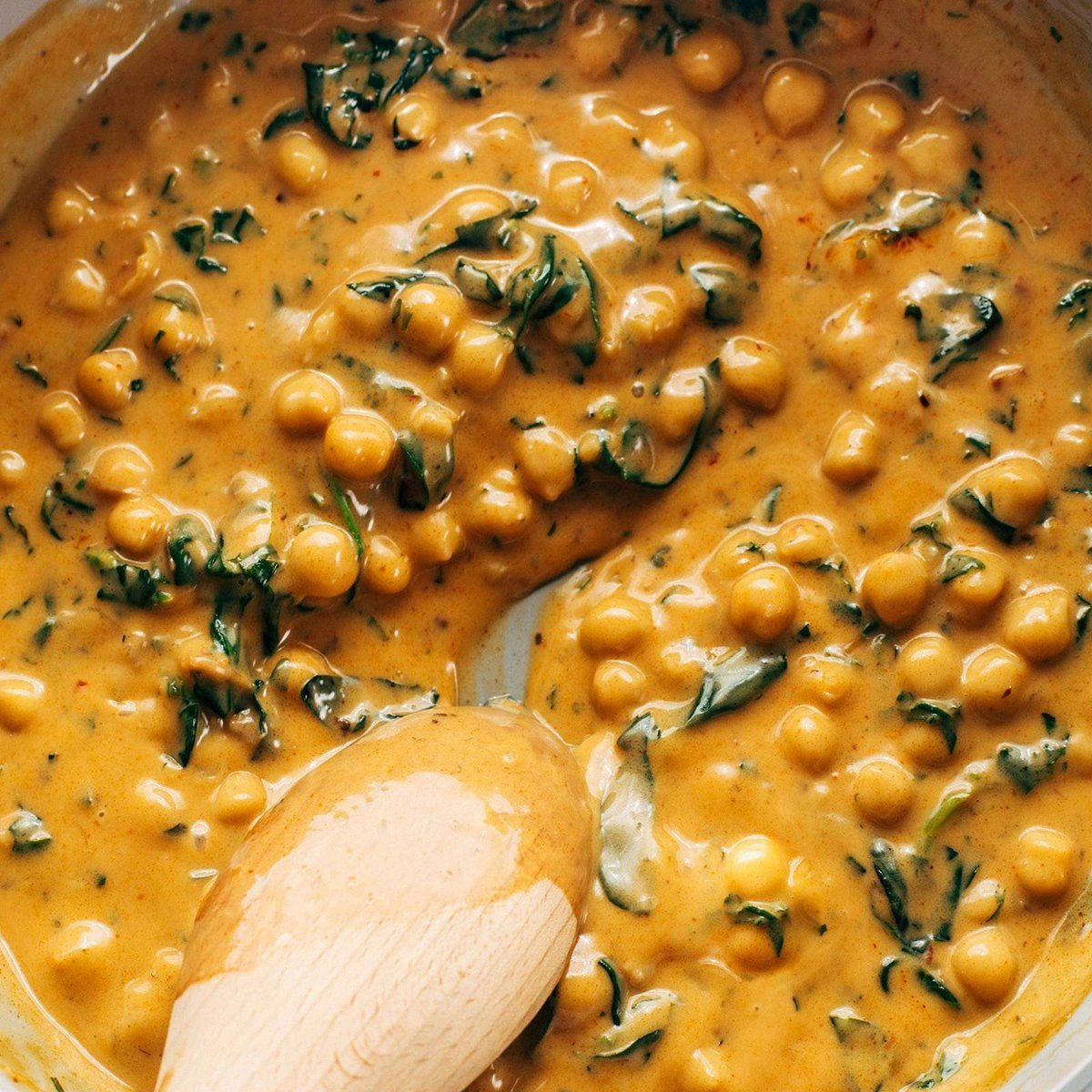
Stir in the cooked chickpeas, ensuring each bean is lovingly coated with the spiced tomato base. Add the coconut milk, pouring it in a steady stream while stirring to create a velvety texture. Bring the curry to a gentle boil, then reduce to a low simmer. Let it bubble away for 10‑12 minutes; the sauce will thicken, and the chickpeas will absorb the aromatic goodness.
While the curry simmers, taste and adjust the salt. Remember, “salt to taste” is not a suggestion—it’s the key that unlocks the flavors. Add a pinch, stir, taste, and repeat until the seasoning sings.
Watch Out: Adding too much salt early can make the curry overly salty; always season gradually and finish with a final adjustment.Just before turning off the heat, fold in the fresh spinach. The leaves will wilt in seconds, turning a gorgeous emerald green. Stir gently so the spinach integrates without over‑cooking, preserving its bright color and slight crunch.
Finish with a splash of fresh lemon juice—about one tablespoon. This brightens the whole dish, cutting through the richness of the coconut milk. Garnish with chopped cilantro for a fragrant pop and serve the curry over steamed basmati rice. That sizzle when it hits the pan? Absolute perfection.
Picture yourself pulling this out of the pot, the whole kitchen smelling incredible, steam rising in lazy curls. You’ll hear the delighted gasp of your guests as they take the first spoonful. I’ll be honest — I ate half the batch before anyone else got to try it, and that’s because this version is hands down the most satisfying chickpea curry you’ll ever make at home.
That's it — you did it. But hold on, I've got a few more tricks that'll take this to another level...
Insider Tricks for Flawless Results
The Temperature Rule Nobody Follows
Most home cooks keep the heat at a steady medium, but the secret is to start high for the sauté, then drop to low for the simmer. This prevents the sauce from scorching while allowing the chickpeas to absorb flavor slowly. I once tried keeping the heat high throughout; the bottom burned, and the flavor turned bitter. Keep a watchful eye, and you’ll have a sauce that’s silky, not grainy.
Why Your Nose Knows Best
The moment the spices hit the oil, trust your nose. If you can smell the toasted notes within 20 seconds, you’re golden. If the aroma is muted, the spices are either old or haven’t toasted enough. Fresh spices are worth the extra penny; they’ll make the curry sing rather than whisper.
The 5‑Minute Rest That Changes Everything
After cooking, let the curry rest uncovered for five minutes. This brief lull allows the flavors to settle and the sauce to thicken slightly. I used to serve it immediately, and the texture felt a bit watery. That short pause is a game‑changer for consistency.
One‑Pot Rice Integration
If you’re short on dishes, add the rice directly into the curry during the last 10 minutes of simmering. The rice will soak up the sauce, turning each grain into a flavor bomb. Just make sure you have enough liquid; otherwise, the curry can become too thick.
Spice Storage Wisdom
Store whole spices in airtight containers away from light, and grind them as needed. Ground spices lose potency after six months. I once bought a bulk bag of cumin powder that was two years old—big mistake. Keep a small grinder on your countertop for freshness.
Creative Twists and Variations
This recipe is a playground. Here are some of my favorite ways to switch things up:
Smoky Chipotle Chickpea Curry
Swap the cayenne for 1‑2 teaspoons of chipotle in adobo sauce. The smoky depth adds a barbecue vibe that pairs beautifully with corn on the side. Perfect for those who love a hint of the grill.
Creamy Cashew Spinach Curry
Replace coconut milk with ½ cup soaked cashews blended into a smooth cream. This yields a richer, nuttier sauce while keeping the dish dairy‑free. The cashews also add a subtle sweetness that balances the spices.
Thai‑Inspired Coconut Lime Curry
Introduce 1 tablespoon of Thai red curry paste and finish with zest and juice of a lime. The citrusy tang and extra heat transform the dish into a vibrant Thai‑style feast.
Hearty Veggie Medley
Throw in diced sweet potatoes, carrots, and peas alongside the chickpeas. The vegetables add texture and a natural sweetness, making the curry even more filling for a family dinner.
Protein‑Packed Tofu Curry
Replace half the chickpeas with firm tofu cubes that have been pan‑seared. The tofu absorbs the sauce beautifully, offering a different protein source for vegans who crave variety.
One‑Pan Curry Fried Rice
After the curry is done, stir in cooked day‑old rice and fry for an additional 5 minutes. The rice picks up the curry flavors, creating a satisfying fried‑rice dish with minimal cleanup.
Storing and Bringing It Back to Life
Fridge Storage
Transfer the leftover curry to an airtight container and refrigerate for up to 4 days. The flavors will deepen, and the spinach may soften, but the dish remains delicious. Reheat gently on the stove over low heat, adding a splash of water if it looks too thick.
Freezer Friendly
Cool the curry completely before portioning into freezer‑safe bags or containers. It freezes beautifully for up to 3 months. When ready to eat, thaw overnight in the fridge, then reheat on the stovetop, stirring in a little extra coconut milk to restore creaminess.
Best Reheating Method
For the ultimate reheated experience, place the curry in a saucepan, add a tablespoon of water or coconut milk, and warm over medium‑low heat, stirring frequently. This gentle approach prevents scorching and keeps the sauce velvety. Serve over freshly steamed rice for that just‑cooked feel.