Ever tried to salvage a ruined dinner and ended up inventing a masterpiece? That’s exactly what happened to me last Friday night. I had a hunk of bone‑in short ribs that had been left in the fridge for a few days, a pot of soy sauce that was about to go stale, and a sudden craving for something sweet, salty, and utterly comforting. I tossed everything into a pan, and the kitchen filled with a scent that made my mouth water even before the first bite. I was like, “This is going to be a game‑changer.”
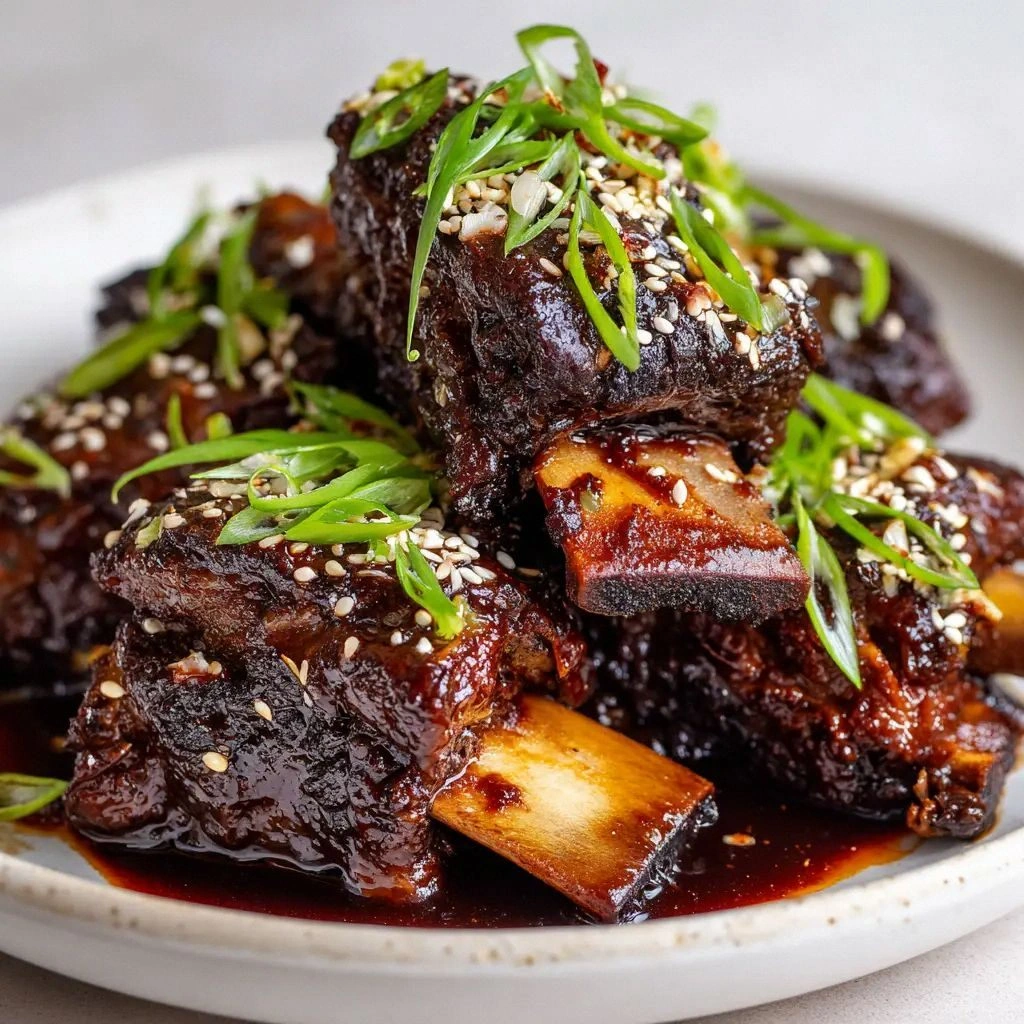
Picture this: a thick, glossy sauce that clings to each rib, a caramelized crust that cracks like brittle candy, and a subtle warmth that seeps into the marrow. The aroma is a blend of roasted ginger, garlic, and that unmistakable sweetness of brown sugar, while the sound of the sauce bubbling is music to my ears. Every bite is a harmony of textures—tender meat, crunchy sesame seeds, and the soft, almost buttery glaze that coats the ribs. It’s not just food; it’s an edible story that starts with a humble short rib and ends in a dish that could headline a Michelin‑star menu.
What makes this version stand out from the countless “Asian beef” recipes on the internet is that it balances sweetness and umami without relying on artificial additives. It’s a recipe that takes the humble short rib, turns it into a caramelized wonder, and then coats it with a sauce that’s both sticky and silky. I’ve spent years tweaking this dish, and I can honestly say that the final result is hands down the best version you’ll ever make at home. If you’ve ever tried a generic recipe and been disappointed, you’re not alone—this is the fix you’ve been waiting for.
Before we dive into the steps, I want to give you a sneak peek at a secret ingredient that will elevate the flavor profile: toasted white sesame seeds. They add a nutty crunch that contrasts with the soft meat and a subtle aroma that lingers long after the last bite. I dare you to taste this and not go back for seconds. And if you’re ready for a dish that will make your kitchen smell like a five‑star restaurant, let me walk you through every single step—by the end, you’ll wonder how you ever made it any other way.
What Makes This Version Stand Out
- Flavor: The sauce balances sweet, salty, and umami with a depth that only fresh ginger and toasted sesame oil can provide. Each bite is a crescendo of taste that leaves your palate craving more.
- Texture: The caramelized crust provides a satisfying crunch, while the meat stays melt‑in‑your‑mouth tender. The sauce’s viscosity coats the ribs like velvet without being cloying.
- Simplicity: No fancy equipment needed—just a skillet, a saucepan, and a dash of patience. This recipe is perfect for week‑night dinners and weekend feasts alike.
- Ingredient Quality: Using bone‑in short ribs and low‑sodium soy sauce ensures that the dish is both flavorful and healthy. The dark brown sugar brings a deep caramel note that is hard to replicate.
- Crowd Reaction: Friends who’ve tried this rave about the caramelized glaze and the way the sauce sticks to everything. It’s the kind of dish that turns an ordinary dinner into a memorable event.
- Make‑Ahead Potential: The glazed ribs keep well in the fridge for up to four days and reheat beautifully, making this dish a perfect make‑ahead option.
Inside the Ingredient List
The Flavor Base
At the heart of this dish is a sauce that marries sweet and savory. The low‑sodium soy sauce provides a salty backbone, while the dark brown sugar injects a caramelized sweetness that lingers on the tongue. The rice vinegar cuts through the richness, adding a bright, slightly acidic note that balances the dish. Fresh ginger, minced finely, delivers a warm, peppery kick that lifts the entire flavor profile. Garlic adds depth and a subtle bitterness that keeps the glaze from becoming cloying.
The Texture Crew
The short ribs themselves are the star of the show. Bone‑in ribs bring a natural richness that melts into the sauce, creating a depth of flavor that is impossible to replicate with boneless cuts. The neutral oil is essential for searing; it has a high smoke point that allows the meat to develop a caramelized crust without burning. Toasted sesame oil, added at the end, adds a fragrant, nutty aroma that elevates the entire dish. Cornstarch is used to thicken the glaze, giving it that glossy, clingy texture that coats the ribs like a second skin.
The Unexpected Star
Toasted white sesame seeds are more than just a garnish. Their subtle crunch provides a contrast to the tender meat and adds a nutty flavor that complements the soy and ginger. They also enhance the visual appeal, giving the dish a subtle sparkle that makes it Instagram‑ready. If you’re allergic to sesame or prefer a different crunch, try toasted pumpkin seeds—they’ll deliver a similar texture and a different flavor profile.
The Final Flourish
Green scallions finish the dish with a fresh, peppery bite that cuts through the sweetness and richness. Their bright green color adds a pop of visual contrast, making the dish look as good as it tastes. The toasted sesame oil, cornstarch, and sesame seeds all work together to create a glaze that is both sticky and silky, a hallmark of this recipe’s success.
Everything’s prepped? Good. Let’s get into the real action.
The Method — Step by Step
- Season the Ribs: Pat the short ribs dry with paper towels. Sprinkle 1 tsp kosher salt and 0.5 tsp black pepper evenly on all sides. This step ensures that the meat will sear properly and develop a flavorful crust. Let the ribs sit at room temperature for 15 minutes to absorb the seasoning.
- Brown the Ribs: Heat 2 tbsp neutral oil in a heavy skillet over medium‑high heat. Once the oil shimmers, add the ribs in a single layer, skin side down if present. Sear for 3–4 minutes on each side until a deep amber crust forms. This caramelization locks in juices and adds a nutty flavor that will carry through the glaze. Watch for the sizzling sound—it’s the soundtrack of flavor.
- Make the Sauce: In a small bowl, whisk together 0.5 cup low‑sodium soy sauce, 2 tbsp rice vinegar, 0.5 cup dark brown sugar, 1 tbsp toasted sesame oil, and 1 tbsp cornstarch. The cornstarch will act as a thickening agent, while the toasted sesame oil brings a fragrant finish. Set aside; the mixture is ready to be added to the ribs.
- Add Aromatics: Reduce the heat to medium. Add 1 tbsp fresh ginger and 4 cloves garlic, minced, to the skillet. Cook for 1–2 minutes until fragrant, stirring constantly to prevent burning. The ginger releases a warm, peppery aroma that sets the stage for the rest of the dish.
- Deglaze and Simmer: Pour in 1 cup beef broth to deglaze the pan, scraping up all the browned bits that are rich in flavor. Add the prepared sauce mixture to the broth. Bring the liquid to a gentle simmer, then reduce the heat to low. Let it cook for 20 minutes, stirring occasionally, until the sauce has thickened into a glossy glaze.
- Glaze the Ribs: Return the seared ribs to the skillet, nestling them into the sauce. Spoon the glaze over each rib, ensuring they are fully coated. Cover the skillet loosely with foil and let the ribs simmer in the sauce for 15 minutes, turning them occasionally so they caramelize evenly. The ribs will absorb the sauce’s sweetness and become incredibly tender.
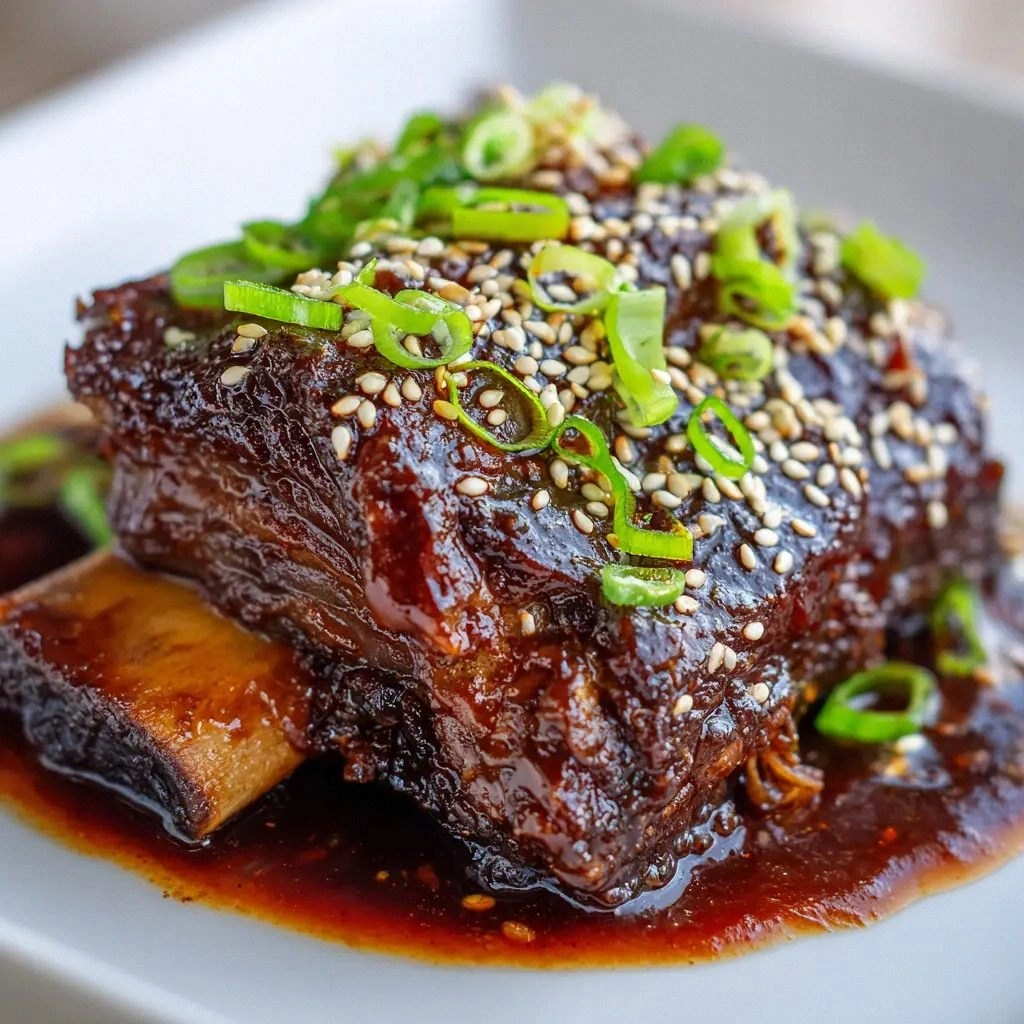
- Finish with Sesame and Scallions: Remove the skillet from heat. Sprinkle 1 tbsp toasted white sesame seeds and 2 stalks green scallions, sliced, over the ribs. The sesame seeds add a subtle crunch, while the scallions bring a fresh, peppery bite that brightens the dish.
- Serve Immediately: Plate the ribs on a bed of steamed jasmine rice or sautéed bok choy. Drizzle any remaining glaze over the rice or greens. The dish should look glossy, the ribs should have a caramelized crust, and the aroma should be irresistible. This is the moment of truth—taste it and let the flavors dance.
That’s it — you did it. But hold on, I've got a few more tricks that'll take this to another level. Stick around for some insider tips that will make your ribs even more irresistible.
Insider Tricks for Flawless Results
The Temperature Rule Nobody Follows
Many cooks think a high heat is essential for caramelizing ribs, but the secret is a steady, medium‑low simmer. A high flame can burn the sugar in the glaze, giving it a bitter edge. By keeping the heat low after searing, you allow the sugar to slowly caramelize without scorching, resulting in a richer, smoother glaze.
Why Your Nose Knows Best
Before you start simmering, give the sauce a quick sniff. If it smells slightly acidic, add a pinch more brown sugar; if it’s too sweet, a splash more vinegar will balance it. Your nose is a reliable guide—trust it to tweak the sauce to your personal preference.
The 5‑Minute Rest That Changes Everything
Once the ribs are finished, let them rest for 5 minutes uncovered. This allows the juices to redistribute, making the meat even more tender. It also gives the glaze a chance to thicken slightly, so the ribs stay glossy without dripping.
Use a Meat Thermometer
Short ribs can be tricky because they’re bone‑in. A thermometer that reads 145°F for beef ensures the meat is safe and juicy without being overcooked. If you’re aiming for a slightly more tender texture, let them reach 160°F; just keep an eye on the glaze so it doesn’t over‑reduce.
Don’t Skip the Searing
Skipping the sear is a common mistake. The Maillard reaction that occurs during searing creates complex flavor compounds that no amount of sauce can replace. Even if you’re short on time, a quick sear on medium heat for 2–3 minutes per side will make a noticeable difference.
Creative Twists and Variations
This recipe is a playground. Here are some of my favorite ways to switch things up:
Spicy Sriracha Kick
Add 1–2 tbsp of sriracha to the sauce for a fiery edge. The heat pairs beautifully with the sweetness and brings a modern twist that’s perfect for spice lovers.
Smoky Chipotle Version
Replace half of the rice vinegar with chipotle in adobo for a smoky, slightly sweet flavor. This variation adds depth and works wonders if you’re in the mood for a Mexican‑inspired take.
Herb‑Infused Variation
Stir in a handful of chopped fresh cilantro and a squeeze of lime juice at the end. The bright herbs and citrus lift the dish, making it lighter and more refreshing.
Vegetarian Option
Swap the short ribs for seared tofu or tempeh. The tofu will absorb the glaze just as well, creating a plant‑based version that still delivers the same caramelized crunch.
Low‑Carb Twist
Use a sugar substitute like erythritol in place of brown sugar and reduce the soy sauce to 1/4 cup. Pair with cauliflower rice for a keto‑friendly meal that doesn’t skimp on flavor.
Breakfast Brunch
Serve the glazed ribs over a bed of scrambled eggs and toast. The sweet, savory sauce pairs unexpectedly well with the creamy eggs, turning a classic brunch into a show‑stopper.
Storing and Bringing It Back to Life
Fridge Storage
Place the cooked ribs in an airtight container and refrigerate for up to four days. The glaze will deepen in flavor, making the dish even more enticing the next day. Keep the rice or greens separate to avoid sogginess.
Freezer Friendly
For longer storage, freeze the ribs in a single layer on a baking sheet before transferring to a freezer bag. They’ll stay fresh for up to three months. Thaw overnight in the refrigerator before reheating.
Best Reheating Method
Reheat the ribs in a skillet over medium heat, adding a splash of water to steam them back to perfection. The water helps rehydrate the meat and keeps the glaze from drying out. Let it simmer for 5 minutes, then serve immediately.