Picture this: I was standing in my kitchen, staring at a half‑cooked steak that looked more like a sad, charred lump than dinner. The sizzling sound that should have been a promise of flavor turned into a sad, hollow hiss as the meat failed to caramelize. I had a craving for something sweet, savory, and utterly irresistible, and I knew I had to turn that disappointment into a culinary triumph. That moment sparked a dare: I would create the most unforgettable sweet teriyaki sesame beef skewer ever, and I would share every step with you.
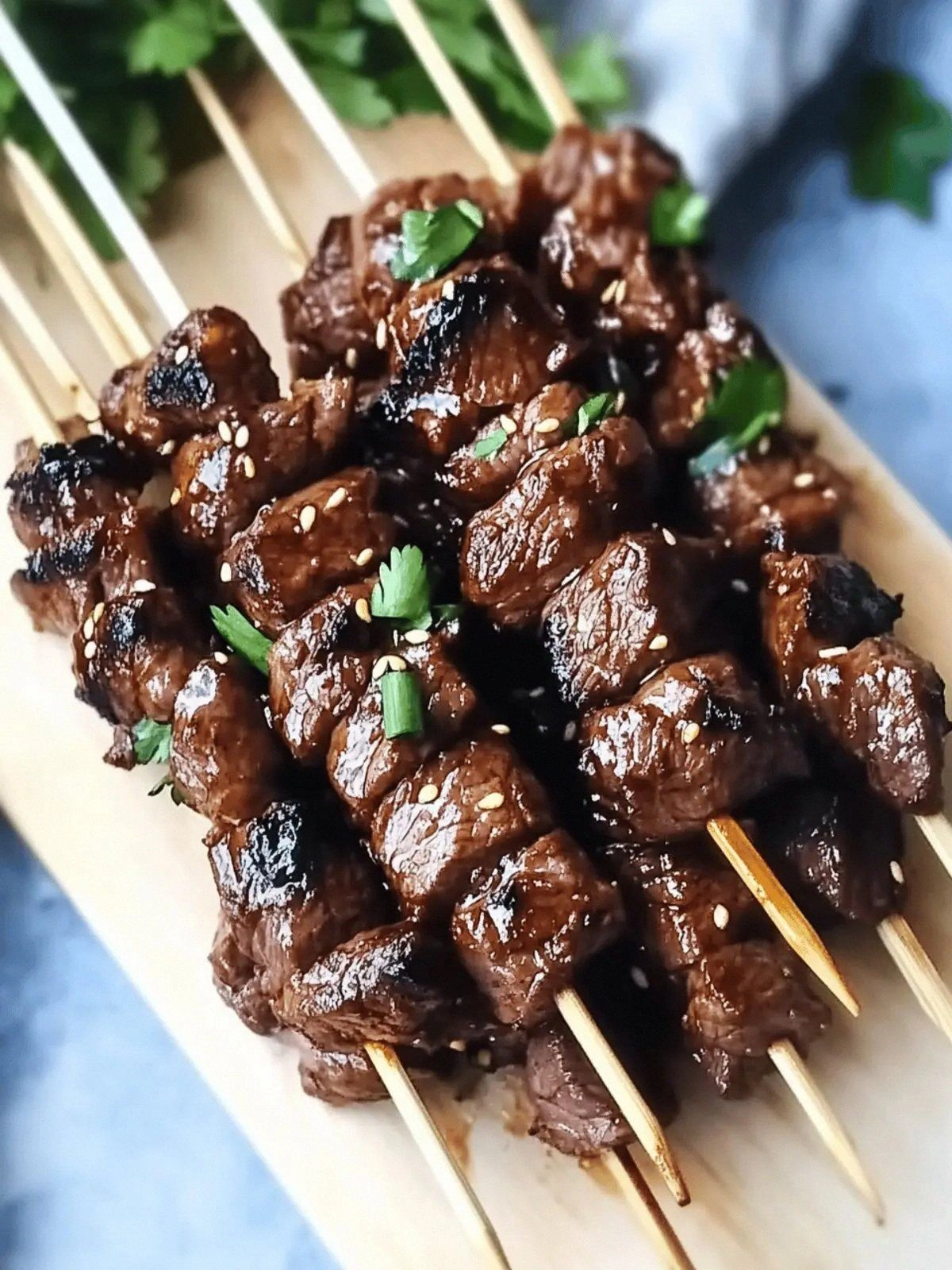
I remember the aroma that hit me first—rich soy sauce mingling with the sweet whisper of brown sugar, the sharp bite of garlic, and the nutty perfume of sesame oil. My eyes were drawn to the glossy sheen of the sauce as it clung to the beef, and I could hear the faint crackle of the grill as it kissed the meat. The texture was a paradoxical harmony: tender, juicy beef with a caramelized crust that crackled like thin ice when you pressed it. The taste was a velvet ribbon of umami and sweetness that left my tongue humming. I felt the anticipation rise with every sizzle, and the kitchen felt alive, like a stage where a simple dish could become a masterpiece.
What makes this version stand out is that it isn’t just another recipe; it’s a carefully choreographed dance of flavors and techniques. I’ve trimmed the process to its purest form, eliminating unnecessary steps while preserving depth. The result is a dish that feels both effortless and luxurious. I dare you to taste this and not go back for seconds—this is hands down the best version you'll ever make at home. If you've ever struggled with achieving that perfect balance between sweet and savory, you're not alone—this recipe has the fix. Picture yourself pulling these skewers out of the grill, the whole kitchen smelling incredible, and serving them to friends who will ask for the recipe. And now, stay with me here—this is worth it.
Let me walk you through every single step—by the end, you'll wonder how you ever made it any other way.
What Makes This Version Stand Out
- Taste: The sauce layers sweet, salty, and umami notes in a way that coats the beef like velvet, leaving a lingering sweetness that balances the savory depth. The final bite is a harmonious explosion of flavors that keep you coming back for more.
- Texture: The beef is marinated until it’s tender, yet the high heat of the grill creates a caramelized crust that cracks delightfully when you bite. The sesame seeds add a subtle crunch that contrasts beautifully with the juicy interior.
- Simplicity: No complicated sauces or exotic spices. With just a handful of pantry staples, you can create a dish that feels like it took hours to prepare.
- Uniqueness: The addition of pineapple juice gives the sauce a tropical brightness that sets it apart from traditional teriyaki. The dual use of hoisin and mirin adds depth and a subtle sweetness that you won’t find in standard recipes.
- Crowd Reaction: This dish is a guaranteed hit at any gathering. Even the most skeptical foodies will be impressed by the depth of flavor and the wow factor of the presentation.
- Ingredient Quality: Using a high‑quality soy sauce and fresh garlic makes all the difference. The beef should be a good cut—sirloin works best for a tender, juicy result.
- Cooking Method: The combination of marinating and grilling brings out the best of both worlds: marinated tenderness and a smoky char.
- Make‑Ahead Potential: Marinate the beef up to 24 hours ahead, and you’ll save valuable time on the day you serve.
Inside the Ingredient List
The Flavor Base
Soy sauce is the backbone of the sauce, providing a salty, umami depth that grounds every bite. Without it, the dish would feel flat and unbalanced. If you prefer a lighter taste, opt for low‑sodium soy sauce, but keep the ratio the same to maintain balance.
The Sweet Counterpoint
Dark brown sugar adds a caramel undertone that complements the soy sauce. It dissolves quickly in the liquid, creating a glossy glaze that clings to the meat. Skipping sugar would strip the dish of its signature sweetness and make it taste like a bland broth.
The Aromatic Crew
Garlic, minced into fine cloves, releases a pungent aroma that permeates the sauce. Freshly minced garlic is far superior to powdered; it adds a bright, sharp note that cuts through the richness. If you’re allergic, you can replace it with a pinch of garlic powder, but the flavor profile will shift slightly.
The Unexpected Star
Pineapple juice brings a subtle tropical brightness that lifts the entire dish. It also acts as a tenderizer thanks to its natural enzymes. If you can’t find pineapple juice, crushed pineapple or even a splash of pineapple juice from a canned fruit can work, but the texture will differ.
Everything's prepped? Good. Let's get into the real action...
The Method — Step by Step
- Start by trimming the sirloin into 1‑inch thick strips, then cut them into 1‑inch cubes for easier marination and even cooking. This size ensures each piece stays juicy while still getting a nice sear. If you prefer a more traditional skewer look, keep the strips longer and shape them into a thin ribbon.
- In a medium bowl, whisk together soy sauce, dark brown sugar, minced garlic, sesame oil, mirin, hoisin sauce, and pineapple juice until the sugar dissolves completely. The mixture should look glossy and slightly thickened, indicating the sugars have blended well. Taste the sauce; it should have a balanced sweet‑salty profile—adjust if needed.
- Add the beef cubes to the bowl, making sure each piece is fully coated. Turn the mixture gently to coat all sides. Cover the bowl with plastic wrap and refrigerate for at least 30 minutes, or up to 24 hours for deeper flavor. The longer the marination, the more tender the beef.
- While the meat marinates, soak wooden skewers in water for 15 minutes to prevent them from burning on the grill. Pat them dry before threading. If you’re using metal skewers, you can skip the soaking step.
- Thread the marinated beef onto the soaked skewers, leaving a little space between each piece to ensure even cooking. Sprinkle the white sesame seeds over the skewers for added crunch and nutty aroma. The seeds also help the sauce cling better.
- Preheat a grill or grill pan over medium‑high heat. Place the skewers on the grill and cook for 2–3 minutes per side, basting with the leftover sauce every turn. The beef should develop a caramelized crust while staying juicy inside. Watch the edges; when they start pulling away and looking slightly charred, it’s time to flip.
- After the last flip, reduce the heat to medium and continue basting for another 2 minutes, allowing the sauce to thicken into a glossy glaze that coats each skewer. This final step locks in moisture and intensifies the flavor.
- Remove the skewers from the grill and let them rest for a minute before serving. Resting allows the juices to redistribute, ensuring each bite is as succulent as possible. While resting, drizzle a small amount of the remaining sauce over the skewers for an extra burst of flavor.
- Serve immediately over a bed of steamed rice or with a side of crisp Asian slaw. Garnish with sliced green onions or a sprinkle of extra sesame seeds for visual appeal. The dish is best enjoyed hot, but you can also slice the beef and toss it into a salad for a lighter option.
That's it — you did it. But hold on, I've got a few more tricks that'll take this to another level.
Insider Tricks for Flawless Results
The Temperature Rule Nobody Follows
Grilling at the right temperature is critical. Aim for medium‑high heat; if the grill is too hot, the sauce will burn before the beef cooks through. A quick test: sprinkle a few drops of sauce on a plate—if it sizzles immediately, reduce the heat.
Why Your Nose Knows Best
Smell the sauce before adding the beef. If it feels too sweet, add a splash of soy sauce. If it’s too salty, a little more pineapple juice can balance it. Your nose is your best guide in achieving the perfect harmony.
The 5‑Minute Rest That Changes Everything
After grilling, let the skewers rest for exactly five minutes. During this time, the juices redistribute, and the glaze sets into a luscious coating. I once skipped this step and ended up with unevenly juicy bites.
The Skewer Angle Trick
Angle the skewers slightly away from the heat source. This prevents the meat from cooking too fast on one side and ensures an even sear. The trick is subtle but noticeable.
The Sauce Reheat Hack
If you’re reheating leftovers, add a splash of water or pineapple juice before warming. This prevents the sauce from thickening too much and keeps the glaze glossy.
The Fresh Garlic Boost
Finely mince the garlic just before marinating. Fresh garlic releases more aroma and flavor compared to pre‑minced or powdered garlic. It’s a small step that pays off big.
Creative Twists and Variations
This recipe is a playground. Here are some of my favorite ways to switch things up:
Spicy Pineapple Explosion
Add a tablespoon of sriracha or crushed red pepper flakes to the sauce for a fiery kick. The heat balances the sweetness and adds a layer of complexity that excites the palate.
Mediterranean Twist
Replace the hoisin sauce with a splash of tomato paste and a pinch of oregano. This gives the dish a savory Mediterranean vibe while keeping the sweet glaze intact.
Gluten‑Free Version
Use tamari instead of soy sauce and ensure the hoisin sauce is gluten‑free. The flavor profile remains unchanged, and you can still enjoy the same mouthwatering experience.
Vegetarian Delight
Swap the beef for thick slices of marinated tofu or seared tempeh. The tofu absorbs the sauce beautifully, creating a plant‑based version that’s just as satisfying.
Citrus‑Infused Finale
Finish the glaze with a squeeze of fresh lime or lemon juice right before serving. The citrus adds a bright, refreshing note that cuts through the richness.
Garnish Upgrade
Top the skewers with toasted coconut flakes or a drizzle of coconut milk for a tropical twist. This adds a creamy texture and exotic flavor that elevates the dish.
Storing and Bringing It Back to Life
Fridge Storage
Store leftover skewers in an airtight container in the refrigerator for up to 3 days. Keep the sauce separate if possible to prevent the beef from becoming soggy. When ready to eat, reheat in a skillet or microwave for 30–45 seconds.
Freezer Friendly
For longer storage, freeze the skewers in a single layer on a baking sheet, then transfer to a freezer bag. They can stay good for up to 2 months. Thaw overnight in the refrigerator before reheating.
Best Reheating Method
Reheat on the stovetop over medium heat, adding a splash of water or pineapple juice to keep the glaze from drying out. Stir gently until the sauce is heated through and glossy again. The beef will remain juicy and flavorful.
With these storage tips, you can enjoy the same mouth‑watering experience weeks later. The dish stays fresh, and the sauce remains luscious, giving you the same instant‑grill feel whenever you reheat.