I was halfway through a marathon of bland, over‑seasoned steak bites when my kitchen exploded in a chorus of sizzling and aromatic steam. The moment I dropped the last cube onto the skillet, the air filled with a perfume that made my stomach rumble like a drumbeat. It was a culinary epiphany: garlic butter, when handled correctly, is the secret sauce that turns ordinary beef into a buttery, garlicky masterpiece. That night, I challenged myself to outdo every steak bite recipe on the internet—because why settle for less when you can have the best?
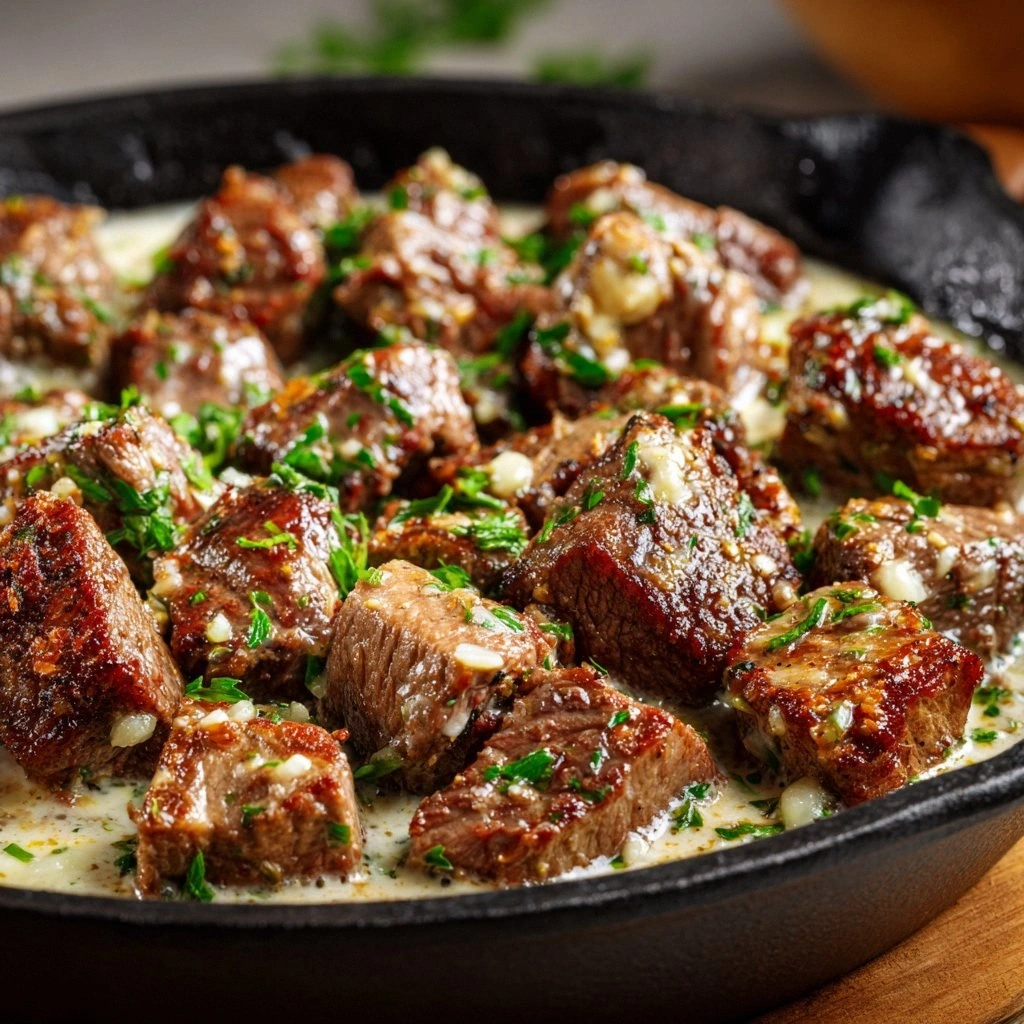
Picture this: the first bite, the steak is seared to a caramelized crust that crackles like a tiny fireworks display. The garlic releases a warm, nutty aroma that lingers in the room, while the butter melts into a glossy glaze that coats the meat like velvet. The flavors mingle, creating a symphony where the richness of the butter balances the sharpness of the garlic. The texture is a contrast of crispy edges and a tender, juicy center that practically melts in your mouth. It’s a sensory experience that makes you want to taste again, and again, and again.
I dare you to taste this and not go back for seconds. Most recipes get this completely wrong, either by using too much butter or by forgetting the garlic’s golden timing. The secret lies in the precise heat, the right amount of oil, and the subtle addition of fresh herbs that elevate the dish from simple to spectacular. If you’ve ever struggled with steak bites that end up dry or greasy, you’re not alone—this recipe is the fix you’ve been craving. It’s hands down the best version you’ll ever make at home, and I’m going to walk you through every single step so you can replicate this perfection in your own kitchen.
Imagine pulling this out of the pan and serving it with a side of creamy mashed potatoes, the steam rising like a fragrant cloud. Picture the look on your guests’ faces as they bite into a steak that is perfectly seared, with a buttery garlic crust that shatters like thin ice. This is not just cooking; it’s a performance. And now, ready for the game‑changer? Let’s dive into what makes this version stand out from the crowd.
What Makes This Version Stand Out
- Flavor: The marriage of garlic and butter creates a depth that’s both savory and slightly sweet, unlike the plain salt‑pepper approach of many steak bites. The subtle hint of smoked paprika adds a smoky undertone, while fresh thyme brings a herbal brightness that lifts the dish. It’s a flavor profile that satisfies the palate without overwhelming it.
- Texture: The searing process locks in juices, producing a caramelized crust that’s crisp yet yields to a tender interior. The butter glaze adds a silky coating that makes every bite feel indulgent. The result is a contrast that makes the dish memorable.
- Ingredient Quality: Using a premium cut like sirloin ensures a juicy bite, while high‑quality butter and fresh garlic elevate the overall experience. The choice of heavy cream and Parmesan creates a rich, velvety sauce that coats the steak without drowning it. Quality ingredients are the backbone of this recipe.
- Simplicity: Despite its gourmet taste, the method is straightforward—no elaborate sauces or exotic spices. The recipe can be completed in under 30 minutes, making it ideal for busy weeknights. You’ll be amazed at how quickly a restaurant‑style dish can be achieved.
- Make‑ahead Potential: The steak bites can be pre‑marinated and stored in the fridge for up to 24 hours, allowing you to cook them fresh at the last minute. The sauce can be reheated gently to maintain its silky texture. This flexibility makes the recipe perfect for entertaining.
- Crowd Reaction: Guests often ask for the recipe after tasting, and the dish’s wow factor keeps conversations lively. The buttery garlic aroma is a conversation starter, and the bite‑size portions are ideal for shared plates.
- Versatility: While the classic version is delicious, the recipe allows for variations—such as adding a splash of red wine or substituting different cheeses—to cater to personal preferences or dietary needs.
Inside the Ingredient List
The Flavor Base
The heart of this dish is the steak itself. Sirloin, cut into 1‑inch cubes, provides the perfect balance of tenderness and flavor. If you’re looking for a leaner option, flank steak can work, but the texture will differ slightly. Skipping the steak entirely would turn this into a purely sauce‑based dish, losing the essential meaty component.
Garlic is the star that drives the flavor. Fresh, minced cloves release a warm, nutty aroma that permeates the entire dish. The key is to mince finely so it cooks evenly and doesn’t burn. If you can’t find fresh garlic, a small amount of garlic powder can be used, but the depth of flavor will be reduced.
Butter provides richness and helps carry the garlic’s aroma throughout. Unsalted butter is preferred to control salt levels. The butter also contributes to the glossy finish of the sauce, giving it that luxurious sheen. A higher butter-to‑oil ratio ensures a buttery crust but watch for over‑melted butter that can become greasy.
The Texture Crew
Olive oil is used to sear the steak before the butter is added. It raises the smoking point, preventing the butter from burning too quickly. A small amount of oil also helps the steak develop a uniform crust. If you don’t have olive oil, canola or grapeseed oil works as a neutral alternative.
Smoked paprika adds a subtle smoky flavor that complements the garlic. It also imparts a beautiful color to the sauce. A pinch of cayenne can be added for a hint of heat, but it’s optional. Without paprika, the dish will still be delicious but less complex.
Fresh thyme provides an herbal brightness that balances the richness. The leaves are minced or torn, releasing their oils into the sauce. If thyme isn’t available, rosemary or oregano can substitute, but the flavor profile will shift slightly.
The Unexpected Star
Heavy cream turns the sauce into a silky, velvety coating that clings to each steak bite. It also helps mellow the sharpness of the garlic and butter. If you’re lactose intolerant, a non‑dairy cream such as coconut or oat can be used, though the taste will differ.
Parmesan cheese adds a nutty, umami punch that deepens the sauce’s flavor. It also helps thicken the sauce slightly as it melts. For a sharper cheese, try Pecorino Romano. Skipping the cheese will result in a lighter sauce but lose the depth of flavor.
Chicken broth is added to loosen the sauce and provide a savory base. It helps create a balanced sauce that’s not too thick. If you prefer a thicker sauce, reduce the broth or add a small amount of cornstarch slurry.
The Final Flourish
Dijon mustard brings a subtle tang that cuts through the richness of the butter and cream. It also adds a layer of complexity that makes the dish feel more refined. If you’re allergic to mustard, a splash of white wine or a dash of Worcestershire sauce can serve as a substitute.
Fresh parsley and lemon zest are optional garnish elements that brighten the dish. Parsley adds a fresh, green contrast, while lemon zest introduces a citrusy brightness. These accents elevate the dish from good to unforgettable.
Everything's prepped? Good. Let's get into the real action.
The Method — Step by Step
- First, pat the steak cubes dry with paper towels. A dry surface ensures a better sear, preventing the meat from steaming. Season each cube generously with salt, pepper, and smoked paprika. This step locks in flavor and forms a caramelized crust. The aroma of the spices should begin to dance in the air even before you hit the pan.
- Heat a cast‑iron skillet over medium‑high heat and add the olive oil. Once the oil shimmers, add the steak cubes in a single layer, leaving space between each piece. Avoid overcrowding; you want each piece to sear, not steam. Let the steak sit untouched for 2 minutes before turning to develop a golden crust. The sizzle should be audible, like a gentle crackle.
- After the initial sear, reduce the heat to medium and add the minced garlic to the pan. Stir immediately to prevent the garlic from burning. The garlic will release a sweet, nutty fragrance that permeates the steak. Keep the garlic moving with a spatula so it cooks evenly. When the garlic turns golden, it’s time to add the butter.
- Add the butter and let it melt completely, swirling the pan to coat the steak. The butter should foam and then settle, forming a glossy glaze. Stir the steak gently so the butter coats each cube. As the butter melts, it should start to caramelize slightly, adding depth to the sauce. This is the moment of truth—watch the color shift to a warm amber.
- Introduce the heavy cream, allowing it to mingle with the butter and garlic. The sauce will thicken and develop a silky texture. Add the grated Parmesan and stir until it melts into the sauce, creating a rich, velvety coating. The mixture should be smooth, with no lumps. If the sauce becomes too thick, add a splash of chicken broth to loosen it.
- Stir in the Dijon mustard and fresh thyme. These ingredients bring a tangy lift and herbal brightness to the dish. Keep the heat low to preserve the delicate flavors of the mustard and thyme. The sauce should coat the steak evenly, creating a glossy finish. The aroma at this point is intoxicating.
- Taste the sauce and adjust seasoning as needed. If the sauce feels too rich, a pinch of lemon zest can brighten it. If it needs more depth, add a little extra Parmesan. Remember, you can always tweak the flavors, but the base is already a masterpiece. The final sauce should cling to each steak bite like a velvet blanket.
- Transfer the steak bites and sauce to a serving platter. Garnish with chopped parsley and a sprinkle of lemon zest for a fresh finish. Serve immediately while the steak is hot and the sauce is glossy. The first bite should crackle, then melt into a buttery, garlicky bliss. And that, my friend, is the pinnacle of flavor.
That's it—you did it. But hold on, I've got a few more tricks that'll take this to another level.
Insider Tricks for Flawless Results
The Temperature Rule Nobody Follows
Most people cook steak bites on high heat, which can lead to over‑cooked edges and a dry center. Instead, sear at medium‑high, then finish at medium to keep the interior juicy. I once tried to rush it and ended up with a rubbery bite that made me question my culinary destiny. Keep the heat steady, and the steak will stay tender.
Why Your Nose Knows Best
Trust your nose when the sauce starts to smell toasty and buttery. That scent is a cue that the garlic is caramelizing and the butter is developing a nutty flavor. If the aroma is too sharp or burnt, it’s time to lower the heat. Your nose is your best sous‑chef.
The 5‑Minute Rest That Changes Everything
After cooking, let the steak rest for 5 minutes on a plate. This allows the juices to redistribute, preventing them from spilling out when you bite in. The rest also lets the flavors meld, giving the sauce a richer taste. Skipping this step can result in a dry bite that feels like a disappointment.
The Secret of the Creamy Consistency
If your sauce seems thin, whisk in a small amount of cornstarch slurry (1 tsp cornstarch + 1 tbsp water). Stir until the sauce thickens to your liking. This technique keeps the sauce silky without adding heavy cream. I’ve used it in the past when I was short on dairy, and it worked like magic.
The Role of Fresh Herbs
Adding fresh herbs at the end, rather than during cooking, preserves their bright flavor. I sprinkle thyme or parsley just before serving, giving the dish a fresh, green pop that cuts through the richness. This small tweak elevates the dish from good to unforgettable.
The Finish with Lemon Zest
A sprinkle of lemon zest at the end adds a citrusy brightness that balances the buttery sauce. The zest’s oils are aromatic, giving the dish a fresh finish. If you’re not a fan of citrus, skip it—though the dish still shines without it.
Creative Twists and Variations
This recipe is a playground. Here are some of my favorite ways to switch things up:
Spicy Cajun Steak Bites
Swap smoked paprika for a Cajun spice blend and add a pinch of cayenne. The result is a bold, spicy flavor that pairs well with a cool yogurt dip. This variation is perfect for those who like a kick in their steak.
Mushroom & Truffle Infusion
Sauté sliced mushrooms with the steak for a earthy depth. Add a few drops of truffle oil at the end for a luxurious finish. This version feels like a gourmet restaurant dish, ideal for special occasions.
Asian‑Inspired Szechuan Bite
Replace garlic with minced ginger and add a splash of soy sauce and Szechuan peppercorns. The sauce becomes savory, slightly sweet, and tingling. This twist brings a whole new flavor dimension.
Vegetarian Mushroom Bites
Use hearty portobello mushroom caps diced instead of steak. Follow the same sauce steps for a plant‑based version that still delivers the buttery garlic richness. It’s a satisfying alternative for vegetarians.
Cheesy Parmesan Crust
After searing, sprinkle extra grated Parmesan on the steak before adding butter. The cheese melts into a golden crust, adding crunch and umami. This variation is a crowd‑pleaser at game‑day gatherings.
Herb‑Infused Oil Drizzle
Mix olive oil with fresh rosemary and thyme, then drizzle over the finished steak. This subtle herb infusion adds aroma and depth without overpowering the dish. It’s a simple yet elegant finishing touch.
Storing and Bringing It Back to Life
Fridge Storage
Cool the steak bites completely, then transfer to an airtight container. Store in the fridge for up to 48 hours. The sauce will thicken slightly; add a splash of water before reheating to restore its silky texture. This method preserves flavor while keeping the meat juicy.
Freezer Friendly
Place the steak bites on a parchment‑lined tray and freeze until solid. Once frozen, transfer to a freezer bag. They can be kept for up to 3 months. Thaw overnight in the fridge before reheating to avoid sogginess.
Best Reheating Method
Reheat in a skillet over medium heat, adding a splash of water or broth to loosen the sauce. Stir frequently to prevent sticking. The steak will warm through, and the sauce will regain its glossy sheen. Serve immediately for the best texture.