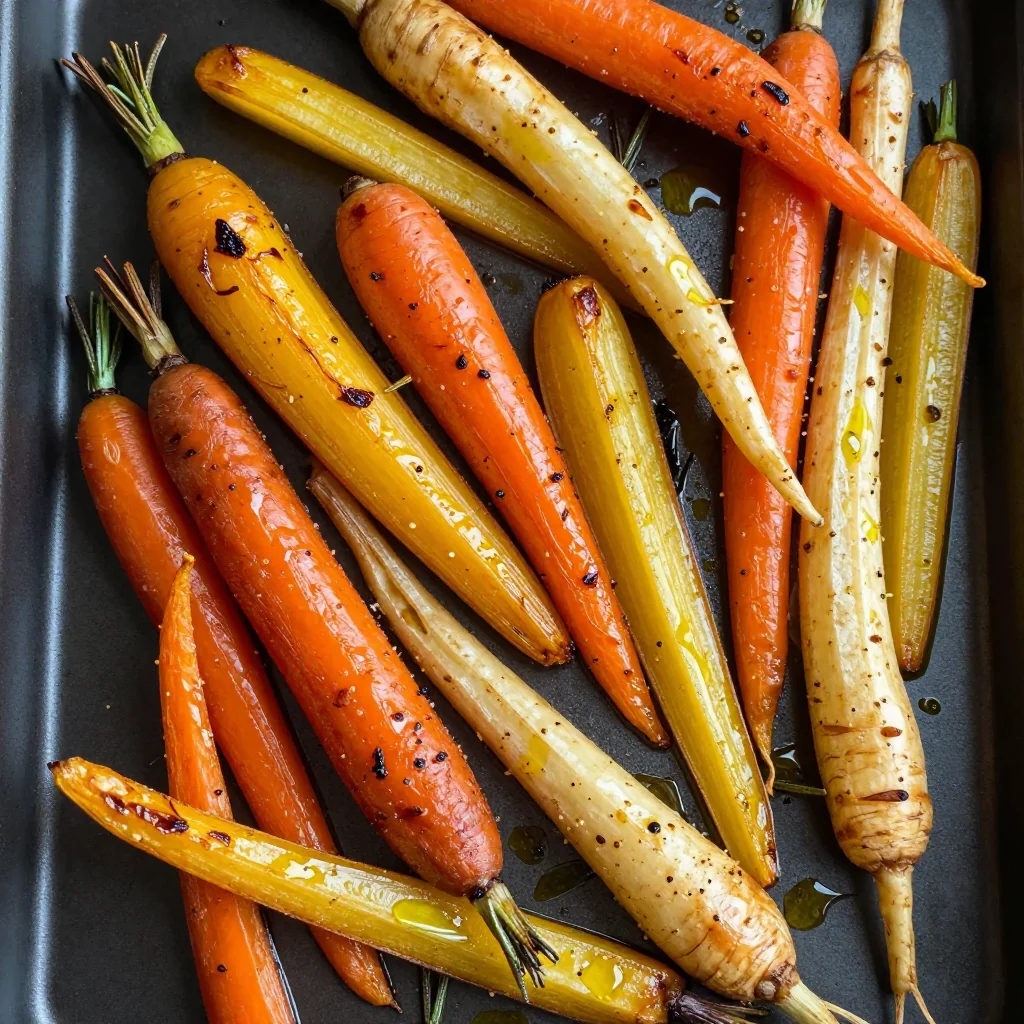
Picture this: a rainy Thursday evening, the kitchen lights flickering like fireflies, and a stubborn pot of teff that refuses to cooperate. I stared at the grains, feeling the weight of culinary disappointment, when a sudden craving for something warm, wholesome, and utterly different hit me. I was determined to turn that teff into a side dish that would make my guests question why they even bother with bland sides. That night, I pulled out every spice, every splash of citrus, and a dash of culinary courage, and the result was nothing short of a revelation.
The first bite was a sensory fireworks display: the teff’s nutty undertones danced with bright lemon zest, while the gentle crunch of carrots and the burst of peas added texture that felt like a whisper of summer. The aroma was a comforting blend of toasted olive oil, caramelized onion, and a hint of garlic that made my nose do a happy little jig. The color palette—golden teff, green peas, orange carrots, and specks of parsley—felt like a painter’s palette, promising a dish that was as beautiful to look at as it was to taste. I could almost hear the sizzling in my head, a subtle reminder that this side dish was about more than just heat; it was about harmony.
What set this version apart from the countless teff recipes I’ve tried was the intentional layering of flavors. Instead of a plain grain side, I introduced a bright citrus note, a touch of herbaceous freshness, and a sprinkle of Parmesan that gave it a silky finish. The result was a side that could stand on its own or elevate a main course like grilled chicken or roasted salmon. I dared you to taste this and not go back for seconds—trust me, you’ll be begging for the recipe. The secret? A careful balance of textures, a dash of daring, and a sprinkle of love.
I’ve spent hours tweaking this dish, and I’m thrilled to walk you through every single step. By the end, you’ll wonder how you ever made teff any other way. From the first chop of onion to the final flourish of herbs, each moment is a step toward a side dish that feels both comforting and adventurous. So grab your apron, and let’s dive into the world of teff that you’ve never tasted before.
What Makes This Version Stand Out
- Flavor: The bright citrus and fresh herbs elevate the natural nuttiness of teff, creating a vibrant, palate-pleasing profile.
- Texture: A delightful mix of tender grains, crisp carrots, and juicy peas keeps every bite exciting.
- Simple Prep: With just a handful of pantry staples, you can craft a gourmet side in under an hour.
- Unique Twist: The addition of Parmesan and lemon zest gives the dish a creamy, tangy finish that sets it apart.
- Crowd Appeal: This side is a hit at dinner parties, impressing guests with its sophisticated flavor and visual appeal.
- Ingredient Quality: Using organic teff and fresh, seasonal vegetables ensures every bite bursts with natural goodness.
- Cooking Method: The technique of sautéing before simmering locks in flavors and textures.
- Make‑Ahead Friendly: It can be prepared ahead and reheated without losing its vibrant taste.
Alright, let's break down exactly what goes into this masterpiece…
Inside the Ingredient List
The Flavor Base
At the heart of this dish is a simple yet powerful flavor base: sautéed onion and garlic in olive oil. The onion releases a sweet, caramelized sweetness that grounds the bright lemon, while the garlic adds depth and a subtle heat that lingers. Skipping this step would leave the dish feeling flat, like a plain salad missing its dressing. If you’re a garlic lover, double the cloves; if you’re sensitive, reduce to one. The olive oil should be high‑quality, extra‑virgin, to bring out the best in the aromatics.
The Texture Crew
Teff, a tiny grain with a chewy bite, forms the backbone of this side. Its slightly nutty flavor pairs beautifully with the crispness of diced carrots and the soft, sweet burst of peas. The carrots add a pop of color and a subtle sweetness that contrasts with the earthy teff. Peas, on the other hand, contribute a fresh, green burst that keeps the dish lively. If you’re in a hurry, frozen peas work just as well as fresh; just thaw them before adding.
The Unexpected Star
Lemon zest and juice are the secret weapons that transform this side dish from ordinary to extraordinary. The zest releases bright, fragrant oils that cling to the grains, while the juice adds a tart counterpoint that lifts the overall flavor profile. This citrus component is what makes the dish feel light and refreshing, even though it’s a hearty grain side. If you’re not a fan of lemon, try a splash of lime or a hint of orange for a different citrus twist.
The Final Flourish
Fresh herbs—parsley and dill—add a burst of green freshness that brightens the dish. They also bring a subtle peppery note that balances the lemon’s acidity. A sprinkle of Parmesan at the end gives the dish a creamy, umami finish that ties everything together. If you’re vegan, substitute nutritional yeast or a vegan cheese alternative for the Parmesan. The pinch of cayenne pepper adds a gentle heat that lingers without overwhelming the delicate flavors.
Everything's prepped? Good. Let's get into the real action…
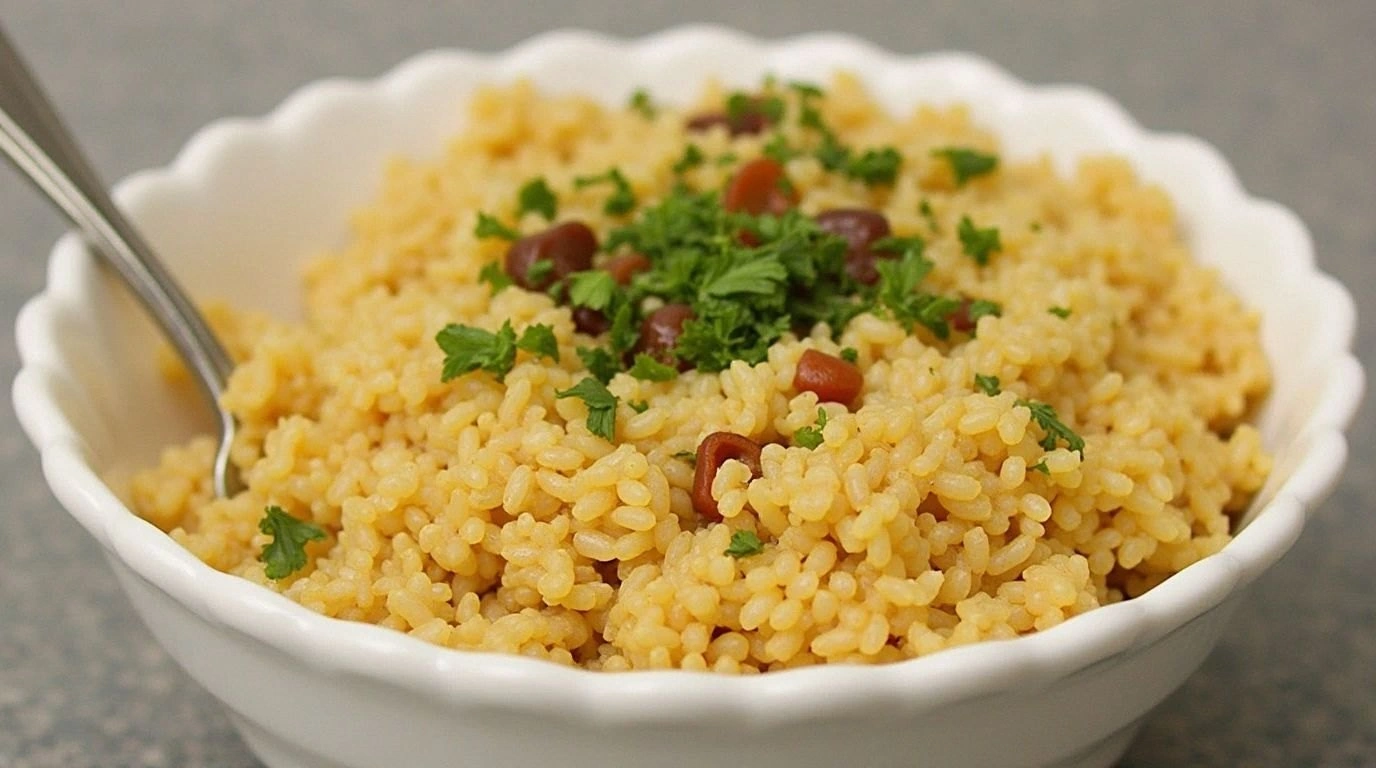
The Method — Step by Step
- Heat the olive oil in a large skillet over medium heat. When the oil shimmers, add the finely chopped onion. Sauté until the onion turns translucent and starts to brown, about 5 minutes. The aroma should be sweet and inviting—think caramelizing sugar.
- Add the minced garlic to the skillet and cook for 30 seconds until fragrant. Watch for any burning; the garlic should release a nutty aroma without turning bitter. This is the moment of truth—if you let it burn, the dish will taste off.
- Stir in the diced carrots and sauté for another 4 minutes, just until they start to soften. The carrots should still hold a slight crunch, adding a pleasant contrast to the tender teff. This step locks in the carrot’s natural sweetness.
- Pour in the vegetable broth, bring the mixture to a gentle simmer, then stir in the teff flour. Whisk constantly to prevent lumps; the mixture should thicken into a silky sauce. The broth also helps the teff absorb flavor while cooking.
- Cover the skillet, reduce the heat to low, and let the teff simmer for 15 minutes. Check the consistency; it should be thick enough to coat the grains but still pourable. If it’s too thick, add a splash of water or broth.
- Season with salt, pepper, and a pinch of cayenne. Taste and adjust; the salt should enhance the citrus without overpowering it. The cayenne adds a subtle heat that lingers without being overpowering.
- Fold in the lemon zest, lemon juice, chopped parsley, and dill. Stir until the herbs are evenly distributed and the dish smells bright. The lemon juice should give a subtle tang that cuts through the richness.
- Turn off the heat and let the side rest for 5 minutes. This rest period allows the flavors to meld and the grains to settle. Serve hot, garnished with a final sprinkle of Parmesan if desired.
That’s it—you did it. But hold on, I've got a few more tricks that'll take this to another level. From adjusting the seasoning to perfecting the resting time, these tips will help you master this dish every single time.
Insider Tricks for Flawless Results
The Temperature Rule Nobody Follows
Many cooks keep the heat too high, causing the teff to stick or the sauce to scorch. Keep the skillet at medium to low heat once the broth is added. This gentle simmer preserves the grains’ texture and ensures a silky sauce. I once accidentally left the stove on too high and ended up with a burnt, rubbery side—lesson learned!
Why Your Nose Knows Best
The aroma of a dish can tell you a lot about its progress. When the onions turn golden and the garlic releases a nutty fragrance, it’s a sign that the base is ready. If you’re unsure, trust your nose; a burnt smell means you need to lower the heat immediately.
The 5‑Minute Rest That Changes Everything
Letting the dish rest after cooking allows the flavors to marry and the grains to settle. During this time, the sauce thickens slightly, creating a more cohesive bite. I’ve found that a short rest also gives the lemon a chance to mellow, preventing an overly sharp bite.
A Splash of Water Before Reheating
When reheating leftovers, add a tiny splash of water or broth to rehydrate the grains. This step prevents the dish from drying out and keeps the sauce silky. I’ve reheated this side in the microwave and it comes out just as fresh as when it first left the stove.
Using Fresh Herbs vs. Dried
Fresh herbs provide a bright, vibrant flavor that dried herbs can’t match. If you’re using dried, reduce the amount to about half, as they’re more concentrated. Fresh parsley and dill add a burst of green that elevates the dish’s visual appeal.
Balancing Salt and Acidity
Salt amplifies flavor, but too much can drown the citrus. Add salt gradually and taste as you go. The lemon juice should still shine through, giving the dish a lively, bright finish.
Creative Twists and Variations
This recipe is a playground. Here are some of my favorite ways to switch things up:
Roasted Butternut Squash Variation
Swap carrots for roasted butternut squash cubes. The natural sweetness of squash pairs with the teff’s nuttiness, creating a comforting fall side. Add a pinch of sage for an earthy undertone.
Mediterranean Chickpea Boost
Stir in a cup of drained chickpeas for added protein and a nutty texture. Toss with olives and a splash of oregano to give the dish a Mediterranean flair. This version is perfect for a vegetarian main course.
Spicy Chipotle Kick
Introduce a tablespoon of chipotle in adobo for a smoky, spicy twist. The heat complements the lemon’s brightness, creating a complex flavor profile. Serve with a dollop of Greek yogurt to balance the spice.
Creamy Coconut Finish
Replace the Parmesan with coconut milk and a pinch of nutmeg. The creamy, tropical note transforms the dish into a beach‑inspired side. Pair it with grilled fish for a coastal vibe.
Sautéed Spinach Surprise
Add a handful of fresh spinach in the final minutes of cooking. The spinach wilts into the sauce, adding a pop of color and a subtle earthy flavor. It’s a quick way to incorporate greens.
Sweet & Smoky BBQ Glaze
Drizzle a thin layer of smoky BBQ sauce over the finished dish. The sweetness of the sauce balances the teff’s nuttiness, while the smoke adds depth. This version pairs wonderfully with pork ribs.
Storing and Bringing It Back to Life
Fridge Storage
Cool the dish to room temperature before placing it in an airtight container. Store in the refrigerator for up to 4 days. The flavors will deepen, making it even more delicious the next day.
Freezer Friendly
Pack the side into freezer‑proof bags, removing excess air. Freeze for up to 2 months. Thaw overnight in the refrigerator before reheating.
Best Reheating Method
Reheat in a skillet over low heat, adding a splash of water or broth to keep it moist. Stir until heated through. The teff will regain its fluffy texture, and the sauce will regain its silky sheen.