
Bundt Cake
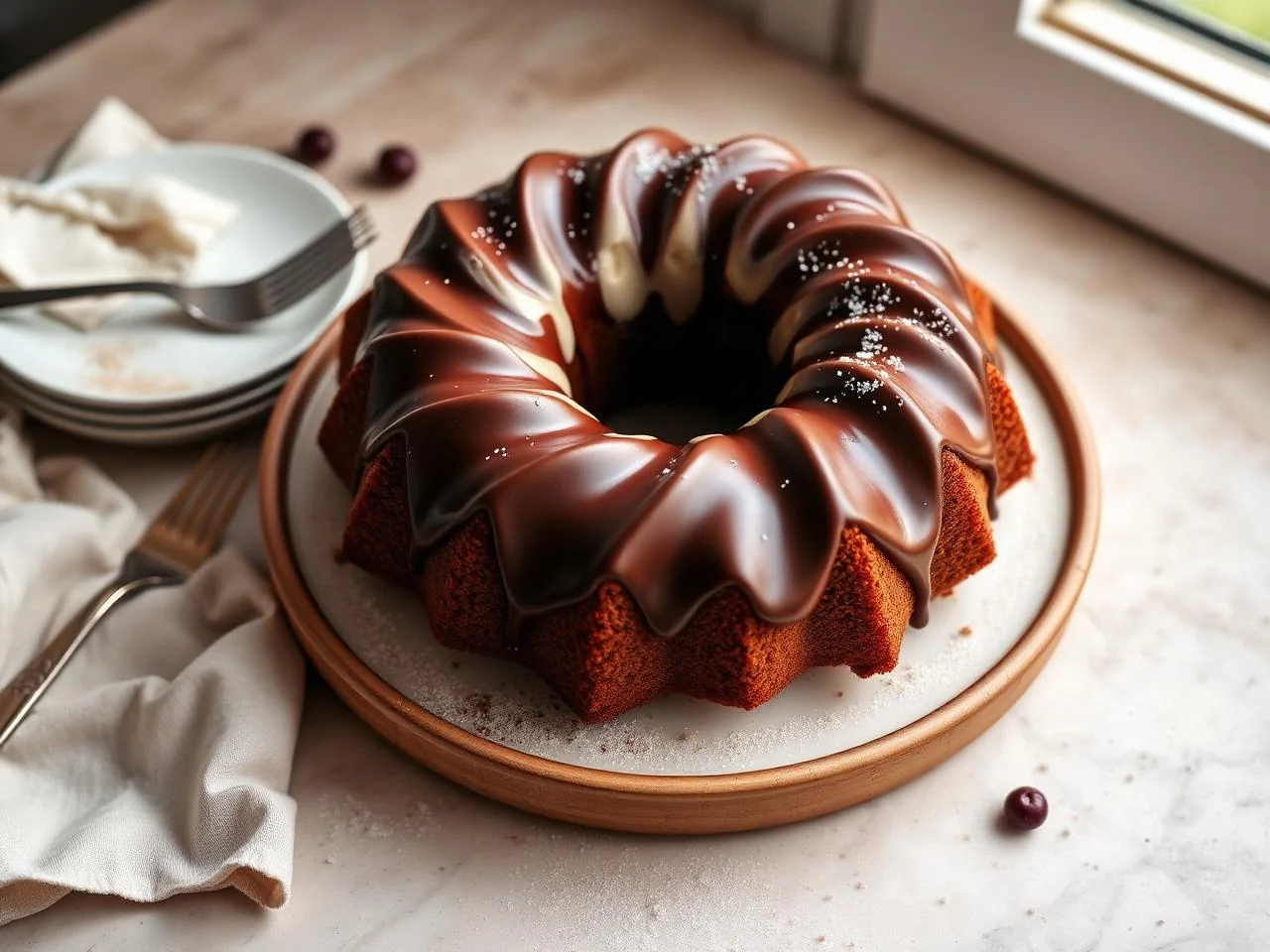
I still remember the first time I made a Bundt Cake from scratch - the way the aroma of sweet vanilla and caramelized sugar filled my kitchen, the excitement of watching it transform into a golden, tender masterpiece. For years, I've perfected this recipe, and now I'm thrilled to share it with you. This Bundt Cake is more than just a dessert; it's a celebration of warmth, comfort, and the joy of sharing something truly special with loved ones.
What makes this Bundt Cake truly special is its moist, fluffy texture and the perfect balance of flavors. It's not just about following a recipe; it's about understanding the technique and the 'why' behind each step. That's why I'll guide you through every detail, from selecting the finest ingredients to achieving the perfect crumb.
This recipe is perfect for anyone looking to impress their family and friends with a delicious, homemade dessert. Whether you're a seasoned baker or a beginner, you'll find that this Bundt Cake recipe is approachable, easy to follow, and rewarding. So, let's get started on this culinary journey together!
As we delve into the world of Bundt Cakes, you'll discover that the key to success lies in the simplicity of the ingredients and the precision of the technique. It's about creating a harmonious balance of flavors, textures, and presentation. With this recipe, you'll be able to create a stunning Bundt Cake that's sure to become a favorite in your household.
Why You’ll Love This Recipe
- This Bundt Cake recipe is easy to follow and requires minimal special equipment.
- The cake is moist, fluffy, and full of flavor, making it perfect for any occasion.
- The recipe is versatile and can be customized with different flavors and toppings.
- The Bundt Cake is a great dessert to make ahead of time, as it can be stored at room temperature for up to 3 days.
- The cake is perfect for serving a crowd, as it yields 12-15 slices.
- The recipe is budget-friendly and uses common ingredients.
- The Bundt Cake is a great way to impress your friends and family with a delicious, homemade dessert.
Why This Recipe Works
The secret to a great Bundt Cake lies in the quality of the ingredients and the technique used. By using room-temperature butter and eggs, we ensure an even emulsion and a tender crumb. The addition of pure vanilla extract provides a deep, rich flavor that complements the sweetness of the sugar. The technique of creaming the butter and sugar, followed by the gradual addition of eggs, helps to create a smooth, airy batter.
The use of a combination of all-purpose flour and cornstarch helps to create a delicate, tender crumb. The cornstarch absorbs excess moisture, preventing the cake from becoming too dense. The buttermilk adds a tangy flavor and helps to react with the baking soda, creating a light, fluffy texture.
Finally, the key to a perfect Bundt Cake is in the baking. By using a reliable thermometer and baking the cake at the right temperature, we ensure that it's cooked to perfection. The visual cue of a golden-brown crust and the internal temperature of 190°F guarantee a moist, tender cake.
Ingredients You’ll Need
When it comes to making a Bundt Cake, the quality of the ingredients is crucial. Look for fresh, high-quality ingredients, such as real vanilla extract, pure cane sugar, and farm-fresh eggs. The type of flour used is also important, as it can affect the texture and structure of the cake. In this recipe, we'll be using a combination of all-purpose flour and cornstarch to create a delicate, tender crumb.
- 2 1/4 cups (285g) all-purpose flourUse a high-quality all-purpose flour that contains a moderate amount of protein, such as King Arthur or Bob's Red Mill. This will help to create a strong, yet tender crumb.
- 1 cup (120g) cornstarchThe cornstarch helps to absorb excess moisture and creates a delicate, tender crumb. Make sure to use a fine, powdery cornstarch for the best results.
- 2 teaspoons baking powderUse a fresh, high-quality baking powder that is free of any additives or preservatives. This will help to ensure that the cake rises properly and has a light, fluffy texture.
- 1 teaspoon baking sodaThe baking soda helps to react with the buttermilk and create a light, fluffy texture. Make sure to use a fresh, high-quality baking soda for the best results.
- 1 teaspoon fine saltThe salt helps to balance the sweetness of the sugar and enhances the flavor of the other ingredients. Use a fine, flaky salt such as kosher or sea salt for the best results.
- 1 cup (200g) unsalted butter, softenedUse a high-quality, unsalted butter that is softened to room temperature. This will help to create a smooth, even emulsion and a tender crumb.
- 1 3/4 cups (450g) granulated sugarUse a high-quality, pure cane sugar that is free of any additives or preservatives. This will help to create a smooth, even flavor and a tender crumb.
- 4 large eggs, at room temperatureUse farm-fresh eggs that are at room temperature. This will help to create a smooth, even emulsion and a tender crumb.
- 2 teaspoons pure vanilla extractUse a high-quality, pure vanilla extract that is free of any additives or preservatives. This will help to create a deep, rich flavor and a tender crumb.
- 1 cup (240ml) buttermilkUse a high-quality, farm-fresh buttermilk that is free of any additives or preservatives. This will help to create a light, fluffy texture and a tender crumb.
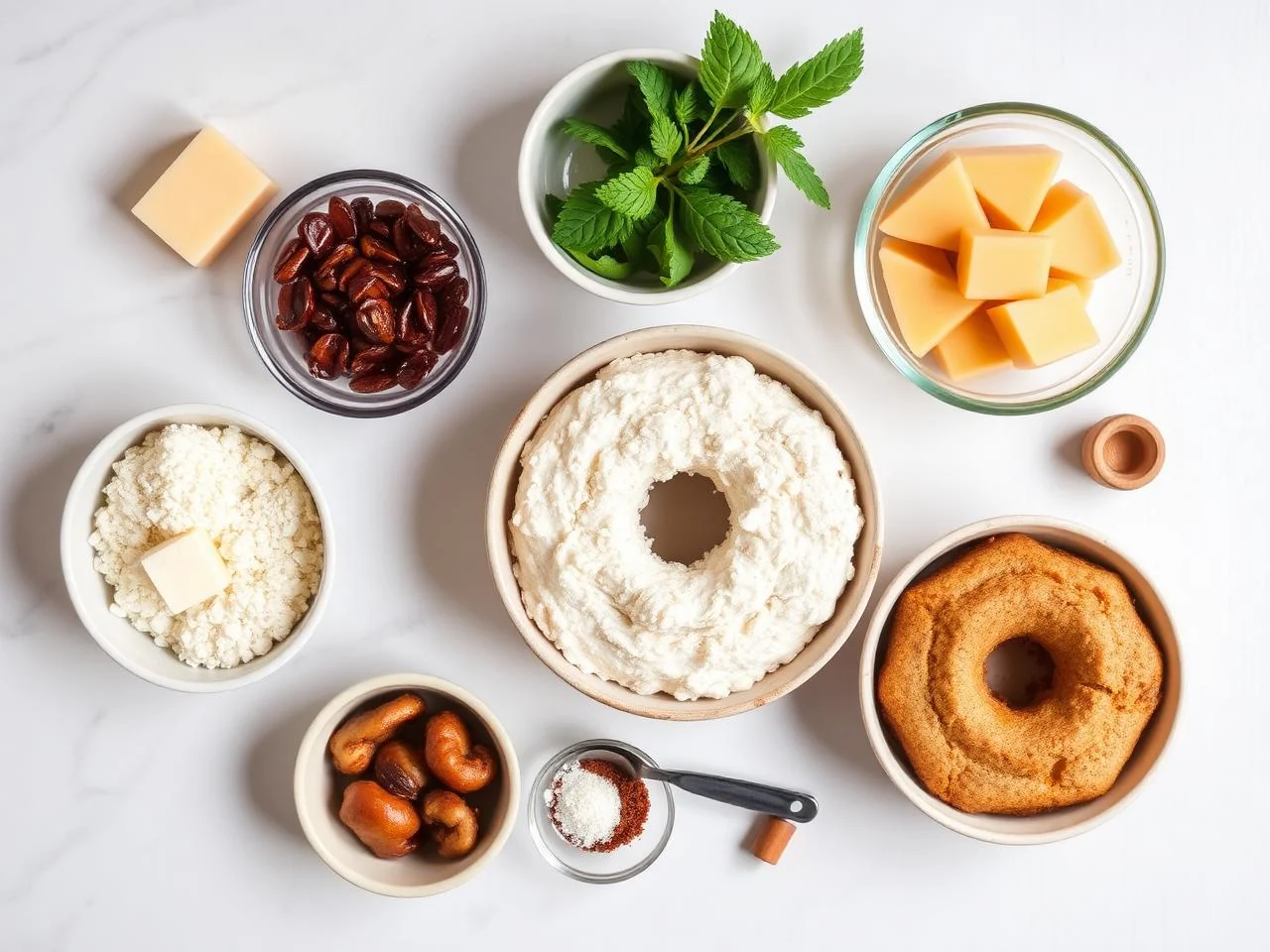
Equipment You’ll Need
How to Make Bundt Cake
- 1Preheat the oven to 325°F (165°C) and position a rack in the lower third of the oven. This will help to ensure that the cake cooks evenly and has a golden-brown crust.
- 2In a medium bowl, whisk together the flour, cornstarch, baking powder, baking soda, and salt. This will help to create a smooth, even texture and a tender crumb.
- 3In a large mixing bowl, use an electric mixer to cream the butter and sugar until light and fluffy, about 3-4 minutes. This will help to create a smooth, even emulsion and a tender crumb.
- 4Beat in the eggs one at a time, allowing each egg to fully incorporate before adding the next. This will help to create a smooth, even texture and a tender crumb.
- 5Beat in the vanilla extract, then gradually add the flour mixture to the wet ingredients, alternating with the buttermilk, beginning and ending with the flour mixture. Beat just until combined.
- 6Pour the batter into the prepared Bundt pan and smooth the top. This will help to create a smooth, even surface and a tender crumb.
- 7Bake the cake for 55-60 minutes, or until a toothpick inserted into the center comes out clean and the internal temperature reaches 190°F (88°C). This will help to ensure that the cake is cooked to perfection and has a tender crumb.
- 8Remove the cake from the oven and let it cool in the pan for 10 minutes. This will help to create a smooth, even texture and a tender crumb.
- 9Transfer the cake to a wire rack to cool completely. This will help to create a smooth, even texture and a tender crumb.
- 10Once the cake is completely cool, you can dust it with powdered sugar or glaze it with a simple glaze made from powdered sugar and milk. This will help to add a sweet, decorative touch to the cake.
Expert Tips
- Make sure to use room-temperature ingredients, including the butter and eggs, for the best results.
- Don't overmix the batter, as this can create a dense, tough cake.
- Use a high-quality, pure vanilla extract for the best flavor.
- Don't open the oven door during the baking time, as this can cause the cake to sink or not cook evenly.
- Let the cake cool completely before serving, as this will help to create a smooth, even texture and a tender crumb.
- You can customize the cake with different flavors, such as adding nuts or dried fruit, or using different types of milk or flavor extracts.
- Make sure to grease the Bundt pan properly before adding the batter, as this will help to create a smooth, even surface and a tender crumb.
- Don't overbake the cake, as this can create a dry, crumbly texture.
Common Mistakes to Avoid
- Overmixing the batter, which can create a dense, tough cake.
- Not using room-temperature ingredients, which can affect the texture and structure of the cake.
- Opening the oven door during the baking time, which can cause the cake to sink or not cook evenly.
- Not greasing the Bundt pan properly, which can cause the cake to stick and create a rough surface.
- Overbaking the cake, which can create a dry, crumbly texture.
- Not letting the cake cool completely before serving, which can affect the texture and structure of the cake.
Variations and Substitutions
- Add 1 cup of chopped nuts, such as walnuts or pecans, to the batter for added texture and flavor.
- Use 1 cup of dried fruit, such as cranberries or cherries, for added flavor and moisture.
- Add 1 teaspoon of a different flavor extract, such as almond or coconut, for a unique twist.
- Use 1 cup of a different type of milk, such as almond or soy milk, for a non-dairy version.
- Add 1 cup of chocolate chips or shavings for a chocolate Bundt Cake.
- Use 1 cup of a different type of sugar, such as brown sugar or honey, for a unique flavor.
- Add 1 cup of espresso or coffee for a mocha Bundt Cake.
What to Serve With Bundt Cake
This Bundt Cake is perfect for serving as a dessert or snack. You can dust it with powdered sugar or glaze it with a simple glaze made from powdered sugar and milk. The cake is also great for serving with a cup of coffee or tea, or as a dessert for a special occasion.
Make-Ahead, Storage, Freezing and Reheating
This Bundt Cake can be stored at room temperature for up to 3 days. It's best to store it in an airtight container, such as a glass or plastic container with a tight-fitting lid. You can also freeze the cake for up to 2 months, wrapped tightly in plastic wrap or aluminum foil. To thaw, simply leave the cake at room temperature for several hours or overnight.
To reheat the cake, you can wrap it in foil and heat it in a low-temperature oven (around 200°F) for about 10-15 minutes, or until warmed through. You can also microwave the cake for 10-15 seconds, or until warmed through.
Make sure to check the cake regularly while it's reheating, as it can quickly become dry or overcooked. It's also important to note that the cake will be more dense and moist after reheating, so it's best to serve it fresh if possible.
Frequently Asked Questions
What is the best way to grease a Bundt pan?
The best way to grease a Bundt pan is to use a high-quality cooking spray or to brush the pan with melted butter. Make sure to get into all the nooks and crannies of the pan, as this will help to create a smooth, even surface and a tender crumb.
How do I know if the cake is done?
The best way to know if the cake is done is to check the internal temperature, which should be around 190°F (88°C). You can also check the cake by inserting a toothpick into the center - if it comes out clean, the cake is done.
Can I customize the cake with different flavors?
Yes, you can customize the cake with different flavors, such as adding nuts or dried fruit, or using different types of milk or flavor extracts. Just be sure to adjust the amount of liquid in the recipe accordingly.
How do I store the cake?
The cake can be stored at room temperature for up to 3 days, or frozen for up to 2 months. Make sure to store it in an airtight container, such as a glass or plastic container with a tight-fitting lid.
Can I reheat the cake?
Yes, you can reheat the cake by wrapping it in foil and heating it in a low-temperature oven (around 200°F) for about 10-15 minutes, or until warmed through. You can also microwave the cake for 10-15 seconds, or until warmed through.
What is the best way to serve the cake?
The cake is perfect for serving as a dessert or snack. You can dust it with powdered sugar or glaze it with a simple glaze made from powdered sugar and milk. The cake is also great for serving with a cup of coffee or tea, or as a dessert for a special occasion.
Can I make the cake ahead of time?
Yes, you can make the cake ahead of time. The cake can be stored at room temperature for up to 3 days, or frozen for up to 2 months. Just be sure to thaw the cake at room temperature for several hours or overnight before serving.
What is the best way to freeze the cake?
The best way to freeze the cake is to wrap it tightly in plastic wrap or aluminum foil and place it in a freezer-safe bag. The cake can be frozen for up to 2 months.
Ingredients
- 2 1/4 cups (285g) all-purpose flour
- 1 cup (120g) cornstarch
- 2 teaspoons baking powder
- 1 teaspoon baking soda
- 1 teaspoon fine salt
- 1 cup (200g) unsalted butter, softened
- 1 3/4 cups (450g) granulated sugar
- 4 large eggs, at room temperature
- 2 teaspoons pure vanilla extract
- 1 cup (240ml) buttermilk
Instructions
- Preheat the oven to 325°F (165°C) and position a rack in the lower third of the oven. This will help to ensure that the cake cooks evenly and has a golden-brown crust.
- In a medium bowl, whisk together the flour, cornstarch, baking powder, baking soda, and salt. This will help to create a smooth, even texture and a tender crumb.
- In a large mixing bowl, use an electric mixer to cream the butter and sugar until light and fluffy, about 3-4 minutes. This will help to create a smooth, even emulsion and a tender crumb.
- Beat in the eggs one at a time, allowing each egg to fully incorporate before adding the next. This will help to create a smooth, even texture and a tender crumb.
- Beat in the vanilla extract, then gradually add the flour mixture to the wet ingredients, alternating with the buttermilk, beginning and ending with the flour mixture. Beat just until combined.
- Pour the batter into the prepared Bundt pan and smooth the top. This will help to create a smooth, even surface and a tender crumb.
- Bake the cake for 55-60 minutes, or until a toothpick inserted into the center comes out clean and the internal temperature reaches 190°F (88°C). This will help to ensure that the cake is cooked to perfection and has a tender crumb.
- Remove the cake from the oven and let it cool in the pan for 10 minutes. This will help to create a smooth, even texture and a tender crumb.
- Transfer the cake to a wire rack to cool completely. This will help to create a smooth, even texture and a tender crumb.
- Once the cake is completely cool, you can dust it with powdered sugar or glaze it with a simple glaze made from powdered sugar and milk. This will help to add a sweet, decorative touch to the cake.